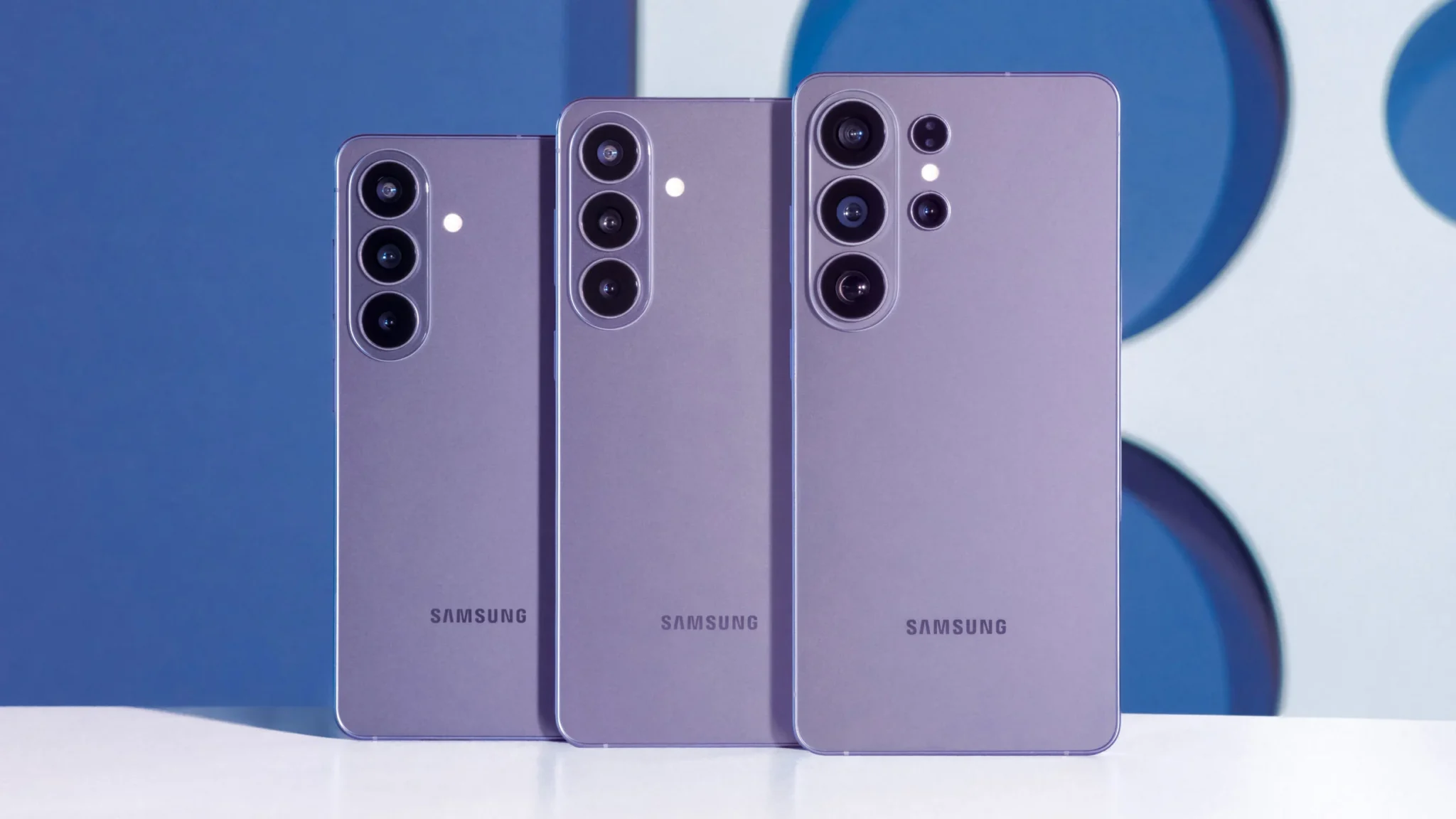
Samsung Galaxy S26 Ultra Review: Stuck in Iteration?
Walking through the Samsung booth at Mobile World Congress 2026, you’ll find a wall of old Galaxy S phones—a nostalgic timeline of progress. But instead of celebrating innovation, it feels like a mirror reflecting stagnation. The 2026 Galaxy S26 Ultra, announced just days before the event, continues a pattern of incremental updates. Let’s break down what’s missing and why this flagship feels like a missed opportunity.
Design and Hardware: A Familiar Face
The S26 Ultra’s design is nearly identical to its predecessors. The titanium frame has been swapped for aluminum, shaving off 0.3mm in thickness. While subtle, this change feels more like a cost-cutting measure than a meaningful upgrade. The 6.9-inch 1440p OLED screen remains unchanged—a solid display, but one that’s no longer leading the pack.
Under the hood, the Snapdragon 8 Elite Gen 5 processor is the only notable hardware upgrade. However, the 5,000mAh battery lags behind competitors, and the 60W wired charging speed pales in comparison to silicon-carbon tech adopted by Chinese rivals. Samsung’s reluctance to innovate here is puzzling, given its position as the world’s second-largest phone maker.
Camera System: No Real Progress
The camera setup is the most baffling aspect. The 10MP 3x telephoto sensor, criticized since 2002, remains unchanged. Worse, the S26 Ultra’s telephoto now uses an even smaller 1/3.94-inch sensor. While the main and 5x cameras received minor aperture tweaks, these adjustments are barely perceptible in real-world use.
Privacy Display: A Glimmer of Innovation
The Privacy Display mode is the S26 Ultra’s lone standout feature. By using dual pixel sets, the screen blocks side-view visibility, ensuring sensitive content stays private. It’s a clever solution to a real-world problem, but it’s hard to call this a breakthrough when the rest of the device feels stuck in neutral.
Conclusion: A Flagship That Fails to Impress
The Galaxy S26 Ultra is a case study in iterative updates gone stale. With no bold design shifts, stagnant hardware, or meaningful camera upgrades, Samsung risks losing its edge to competitors. While the Privacy Display is a welcome addition, it’s not enough to justify an upgrade for most users. If you’re holding onto a Galaxy S25 Ultra, the S26 Ultra won’t make you want to trade in your phone.
FAQs
Is the Samsung Galaxy S26 Ultra a significant upgrade over previous models?
No. The S26 Ultra offers minimal improvements, with design and hardware changes that feel more like cost-cutting than innovation.
What’s the biggest change in the Galaxy S26 Ultra?
The Privacy Display mode is the most notable feature, using dual pixel sets to block side-view visibility.
Why is the Galaxy S26 Ultra’s battery life underwhelming?
The 5,000mAh battery hasn’t been updated since the S24 Ultra, and the 60W charging speed lags behind silicon-carbon tech used by competitors.
Does the Galaxy S26 Ultra’s camera system improve?
Only slightly. The 3x telephoto sensor remains unchanged, and the telephoto now uses a smaller sensor, worsening image quality.
Should I upgrade to the Galaxy S26 Ultra?
If you’re satisfied with your current flagship, the S26 Ultra’s incremental changes won’t justify an upgrade.