
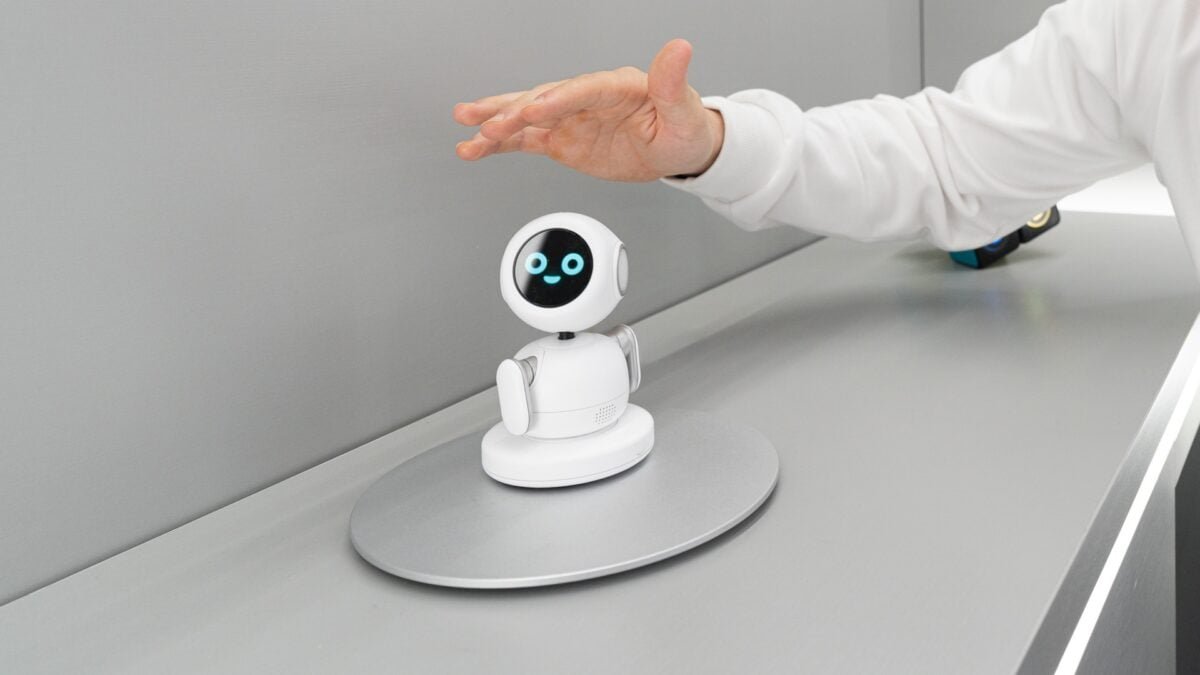
Samsung OLED Concepts: Future Tech in Action
Imagine a world where your devices adapt to your needs, from flexible screens to tiny robots that assist with daily tasks. Samsung is turning this vision into reality with its groundbreaking OLED concepts. At a recent showcase, the tech giant unveiled innovations that blend cutting-edge engineering with playful design, proving why it remains a leader in display technology.
What Makes Samsung OLED Concepts Stand Out?
Samsung’s latest OLED experiments include a charming, robot-shaped device that doubles as a smart assistant. This tiny robot, no larger than a smartphone, uses OLED panels to display interactive animations and respond to voice commands. While it may seem whimsical, it highlights how OLED technology can merge functionality with emotional appeal.
Key Innovations in Samsung’s OLED Portfolio
- Flexible Displays: Ultra-thin OLED panels that bend, roll, or fold seamlessly.
- Mini-LED Integration: Enhanced brightness and contrast for next-gen TVs and monitors.
- Robot Companions: OLED-powered devices that combine AI with tactile design.
How OLED Technology is Shaping Tomorrow’s Devices
OLED’s versatility allows Samsung to push boundaries. For example, the robot concept uses flexible OLED screens to create expressive faces and dynamic interfaces. This same technology could soon appear in wearable gadgets, automotive displays, and even medical devices.
Practical Applications of Samsung’s OLED Concepts
- Smart Home Integration: OLED robots could manage lighting, temperature, and security.
- Healthcare: Flexible OLED sensors for real-time patient monitoring.
- Education: Interactive OLED displays for immersive learning experiences.
Why These Innovations Matter
Samsung’s OLED concepts aren’t just about novelty—they address real-world challenges. By making displays thinner, brighter, and more energy-efficient, the company is paving the way for devices that adapt to human needs rather than the other way around.
Challenges and Future Outlook
While OLED technology is advancing rapidly, scaling these concepts for mass production remains a hurdle. Samsung is investing heavily in manufacturing processes to reduce costs and improve durability. Analysts predict OLED-based devices could dominate the market by 2027.
Conclusion: Samsung’s Vision for the Future
Samsung’s OLED concepts showcase a future where technology feels intuitive and alive. Whether it’s a robot companion or a rollable TV, these innovations prove that OLED isn’t just about screens—it’s about redefining how we interact with the digital world. Ready to see what’s next? Follow Samsung’s roadmap for 2025 and beyond.
FAQs
1. What are Samsung OLED concepts?
Samsung OLED concepts are experimental devices and designs that leverage organic light-emitting diode technology to create flexible, energy-efficient, and interactive products.
2. How is Samsung using OLED technology in robotics?
Samsung integrates OLED panels into robot designs to enable expressive displays, touch-sensitive surfaces, and dynamic interfaces for user interaction.
3. When will Samsung’s OLED innovations hit the market?
While some concepts are still in development, Samsung plans to commercialize select OLED-based products by 2026, including foldable devices and smart home gadgets.
4. What advantages do OLED displays offer over traditional screens?
OLED screens provide superior contrast, thinner profiles, and faster response times, making them ideal for flexible and energy-efficient applications.
5. Can OLED technology improve sustainability in electronics?
Yes. OLEDs use fewer materials and can be recycled more easily than LCDs, aligning with Samsung’s goal to reduce environmental impact by 2030.








