
Introduction to AI Security
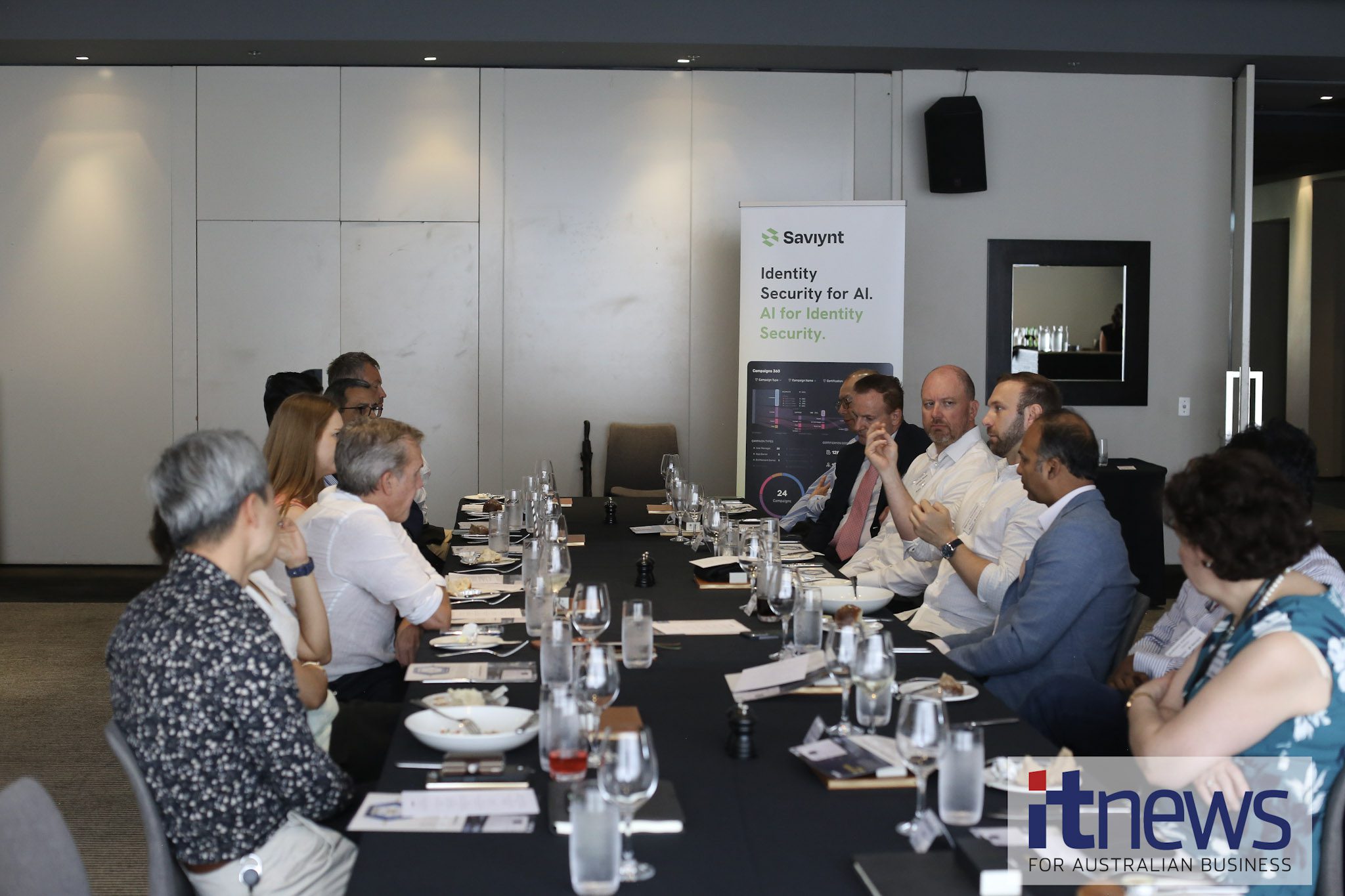
Meanwhile, the integration of Artificial Intelligence (AI) in various industries has raised concerns about security. For example, a recent roundtable discussion in Sydney highlighted the importance of securing AI agents and Non-Human Identities (NHIs). Additionally, experts emphasized the need for a robust security framework to protect against potential threats.
Understanding AI Agents and NHIs
However, before we dive into the security aspects, it’s essential to understand what AI agents and NHIs are. AI agents refer to autonomous systems that can perform tasks without human intervention. On the other hand, NHIs are digital identities assigned to non-human entities, such as devices or algorithms. Furthermore, the increasing use of AI agents and NHIs has created new security challenges that need to be addressed.
Security Risks Associated with AI Agents and NHIs
Therefore, it’s crucial to identify the potential security risks associated with AI agents and NHIs. For instance, a breach in an AI system can have severe consequences, including data theft and disruption of critical services. Moreover, the use of NHIs can also increase the attack surface, making it easier for hackers to gain unauthorized access to sensitive information.
Best Practices for Securing AI Agents and NHIs
Finally, to ensure the security of AI agents and NHIs, organizations should follow best practices, such as implementing robust authentication and authorization mechanisms. Additionally, regular monitoring and updates can help identify and mitigate potential threats. In conclusion, securing AI agents and NHIs is a critical aspect of ensuring the overall security of an organization’s digital infrastructure.








