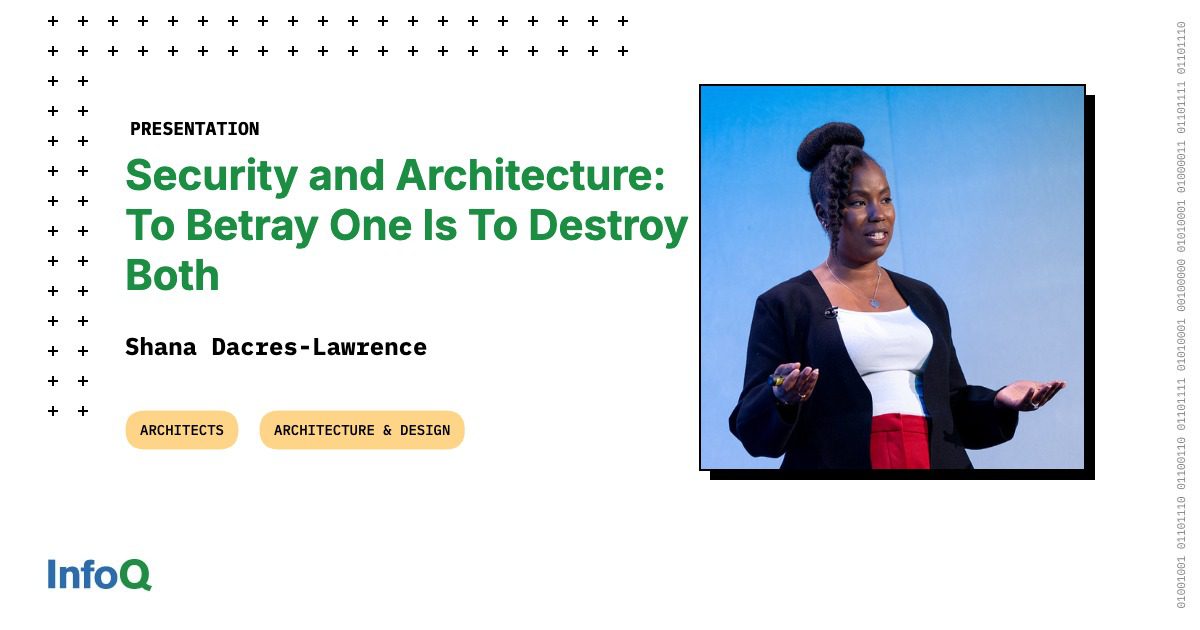
Security and Architecture: The Cost of Betrayal
In the digital age, security and architecture are two pillars that must stand united. Yet, when one betrays the other, the consequences can be catastrophic. From data breaches to system collapses, the fallout of a fractured relationship between security and architecture isn’t just technical—it’s existential. In this article, we’ll explore how these two critical domains can clash, the three types of betrayal that lead to systemic failure, and actionable strategies to rebuild trust and resilience.
Why Security and Architecture Must Align
Historically, security and architecture operated in silos. Architects focused on scalability and performance, while security teams prioritized compliance and risk mitigation. This divide created vulnerabilities. For example, the 2024 CrowdStrike outage, caused by a single line of code, exposed how a lack of secure-by-design principles can cripple global systems. Similarly, the Change Healthcare breach highlighted how poor architectural decisions can leave sensitive data exposed.
Today’s threat landscape demands collaboration. Modern architectures—like microservices and cloud-native systems—require security to be embedded from the ground up. This is where the concept of “DevSecOps” emerges: a cultural shift where security is no longer an afterthought but a core component of architectural design.
The Three Betrayals That Break Systems
1. Physical Betrayal
Physical betrayal occurs when infrastructure vulnerabilities are ignored. For instance, outdated hardware or misconfigured cloud storage can act as entry points for attackers. A 2023 IBM report found that 43% of breaches involved cloud misconfigurations. Architects must prioritize secure defaults and automate infrastructure validation to close these gaps.
2. Emotional Betrayal
Emotional betrayal stems from organizational culture. When teams view security as a bottleneck rather than a partner, innovation suffers. A 2022 DevOps survey revealed that 62% of developers feel security slows down their work. This friction leads to workarounds that compromise safety. Bridging this gap requires fostering mutual respect and shared goals.
3. Trust Betrayal
Trust betrayal happens when stakeholders prioritize speed over security. For example, rushing a product launch without proper threat modeling can leave systems vulnerable. The 2021 Colonial Pipeline ransomware attack, which disrupted fuel supplies across the U.S., was partly due to a lack of trust in security protocols. Rebuilding trust demands transparency and accountability at every stage of development.
5 Strategies to Strengthen the Security-Architecture Bond
- Embed Security Early: Integrate threat modeling and secure design principles during the architecture phase.
- Automate Validation: Use tools like static code analysis and infrastructure-as-code scanners to catch vulnerabilities in real time.
- Collaborate Across Teams: Create cross-functional teams where architects and security experts co-design solutions.
- Validate Continuously: Implement CI/CD pipelines with automated security checks to ensure compliance at every deployment.
- Build a Culture of Ownership: Encourage all team members to take responsibility for security, not just specialists.
Conclusion: A Union That Stands the Test
The relationship between security and architecture isn’t just technical—it’s cultural. By addressing physical, emotional, and trust-based betrayals, organizations can build systems that are both innovative and resilient. As Shana Dacres-Lawrence emphasizes, the goal isn’t just to avoid failure but to create a partnership where security and architecture thrive together.
Take Action: Audit your current architecture for security gaps. Start small—implement one of the strategies above and measure its impact. Share your experiences in the comments below!