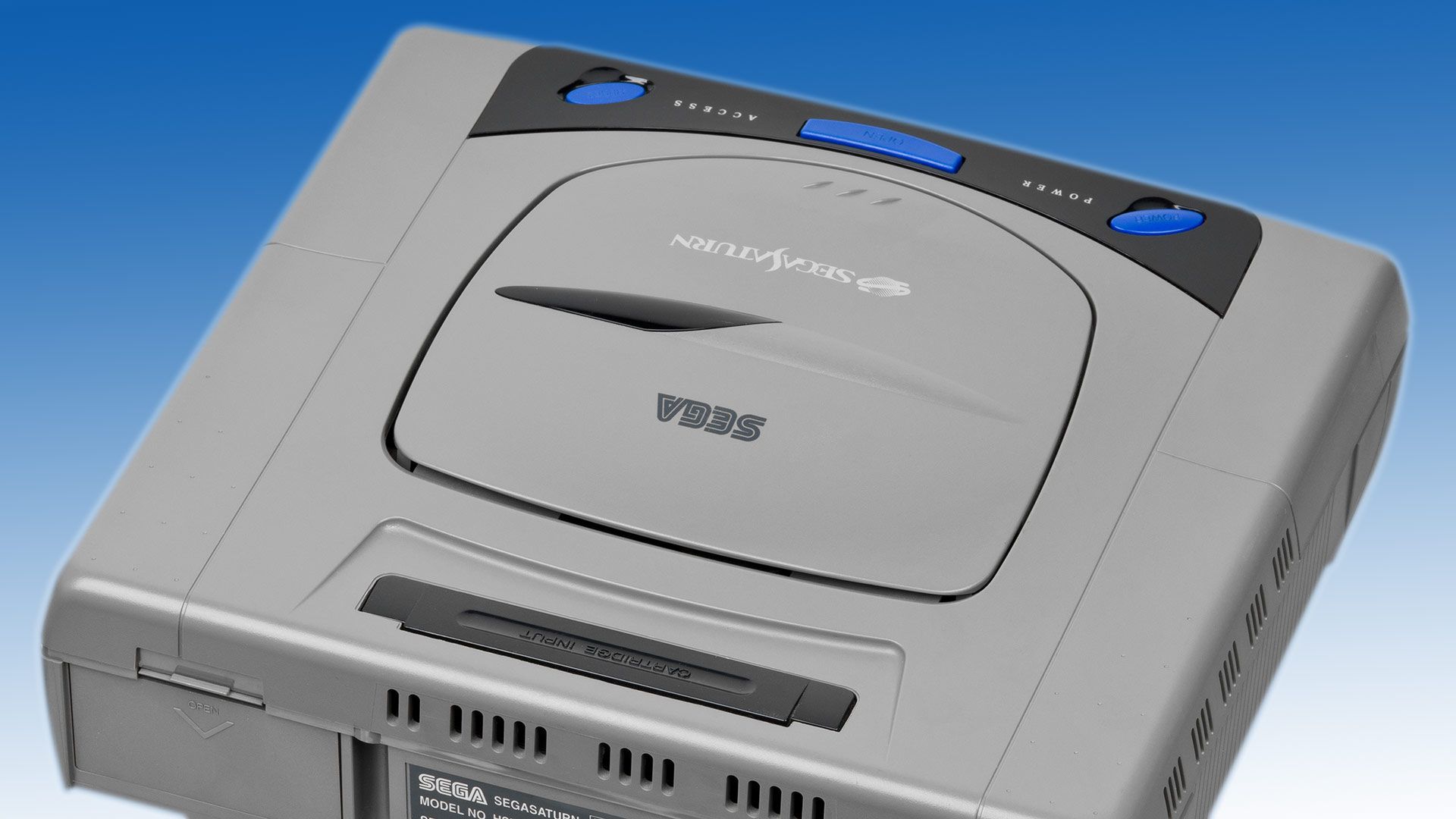
Sega Saturn TRIP Accelerator: 1996 Project Revealed
In 1996, Sega was racing to outpace Nintendo and Sony with a secret project that could have changed gaming history. The Saturn TRIP accelerator—a mysterious hardware upgrade—was recently uncovered by an engineer who worked on the project. This article dives into the real story behind Sega’s missing link and why it never saw the light of day.
What Was the Sega Saturn TRIP Accelerator?
The TRIP (Turbo RISC Integrated Processor) was designed to boost the Saturn’s performance by adding a custom RISC processor to handle complex tasks. At the time, the Saturn’s dual-CPU architecture struggled with 3D rendering, leaving it behind the PlayStation and N64. The TRIP aimed to fix this by offloading graphics processing, potentially giving Sega a competitive edge.
Key Features of the TRIP Project
- Custom RISC Architecture: Optimized for 3D rendering and real-time physics.
- Plug-and-Play Design: Meant to be a cartridge-based add-on for existing Saturn consoles.
- 1996 Development Timeline: Plans were finalized but never mass-produced due to budget cuts.
Why Did the TRIP Project Fail?
Sega’s internal documents reveal a mix of technical ambition and corporate missteps. While the TRIP prototype worked in lab tests, the company hesitated to commit resources. Meanwhile, the PlayStation’s CD-based format and lower development costs made it a more attractive option for third-party developers. By the time Sega realized its mistake, it was too late to pivot.
Lessons from the TRIP Debacle
The TRIP project highlights a critical lesson in tech innovation: speed and adaptability matter more than raw power. Sega’s delay allowed competitors to dominate the market, proving that even the most advanced hardware can fail without strategic timing.
Legacy of the TRIP Project
Though the TRIP never launched, its design influenced later Sega hardware. Engineers who worked on the project later contributed to the Dreamcast’s GPU architecture. Today, the TRIP serves as a cautionary tale for developers: innovation alone isn’t enough—execution is everything.
What Can Modern Developers Learn?
- Validate Concepts Early: Test hardware ideas with real-world use cases.
- Balance Ambition with Practicality: Avoid over-engineering for the sake of novelty.
- Secure Third-Party Support: Developer buy-in is crucial for adoption.
Conclusion: A Missed Opportunity, But Not Forgotten
The Sega Saturn TRIP accelerator remains one of gaming’s greatest “what-ifs.” Its story reminds us that even visionary projects can fall victim to poor timing and corporate indecision. For developers and historians alike, the TRIP project is a fascinating glimpse into Sega’s bold—but ultimately flawed—strategy. What do you think could have happened if the TRIP had launched? Share your thoughts in the comments!