A Personal Quest for a Google Photos Alternative
As a photography enthusiast, I was disappointed with the changes to Google Photos. Therefore, I decided to self-host my own photo storage solution. Meanwhile, I discovered that it’s not only cost-effective but also offers more features than what I was paying for.
Additionally, I found that self-hosting gives me full control over my data. For example, I can choose the storage location and access it from anywhere. However, setting it up requires some technical knowledge.
Why Self-Host a Google Photos Replacement?
There are several reasons why I chose to self-host my photo storage. Firstly, it’s more secure than relying on a third-party service. Secondly, I can customize it to fit my needs. Furthermore, it’s a great way to learn about new technologies and expand my skill set.
Meanwhile, I also considered the cost savings. By self-hosting, I can avoid paying monthly fees for storage. However, I do need to invest in hardware and maintenance. Therefore, it’s essential to weigh the pros and cons before making a decision.
Choosing the Right Hardware
When it comes to self-hosting, the right hardware is crucial. For instance, I needed a reliable server and sufficient storage space. Additionally, I had to consider the power consumption and noise level of the hardware.
Finally, I opted for a compact server with low power consumption. It’s not only energy-efficient but also quiet and compact. Moreover, it’s easy to set up and maintain.
Setting Up the Self-Hosted Solution
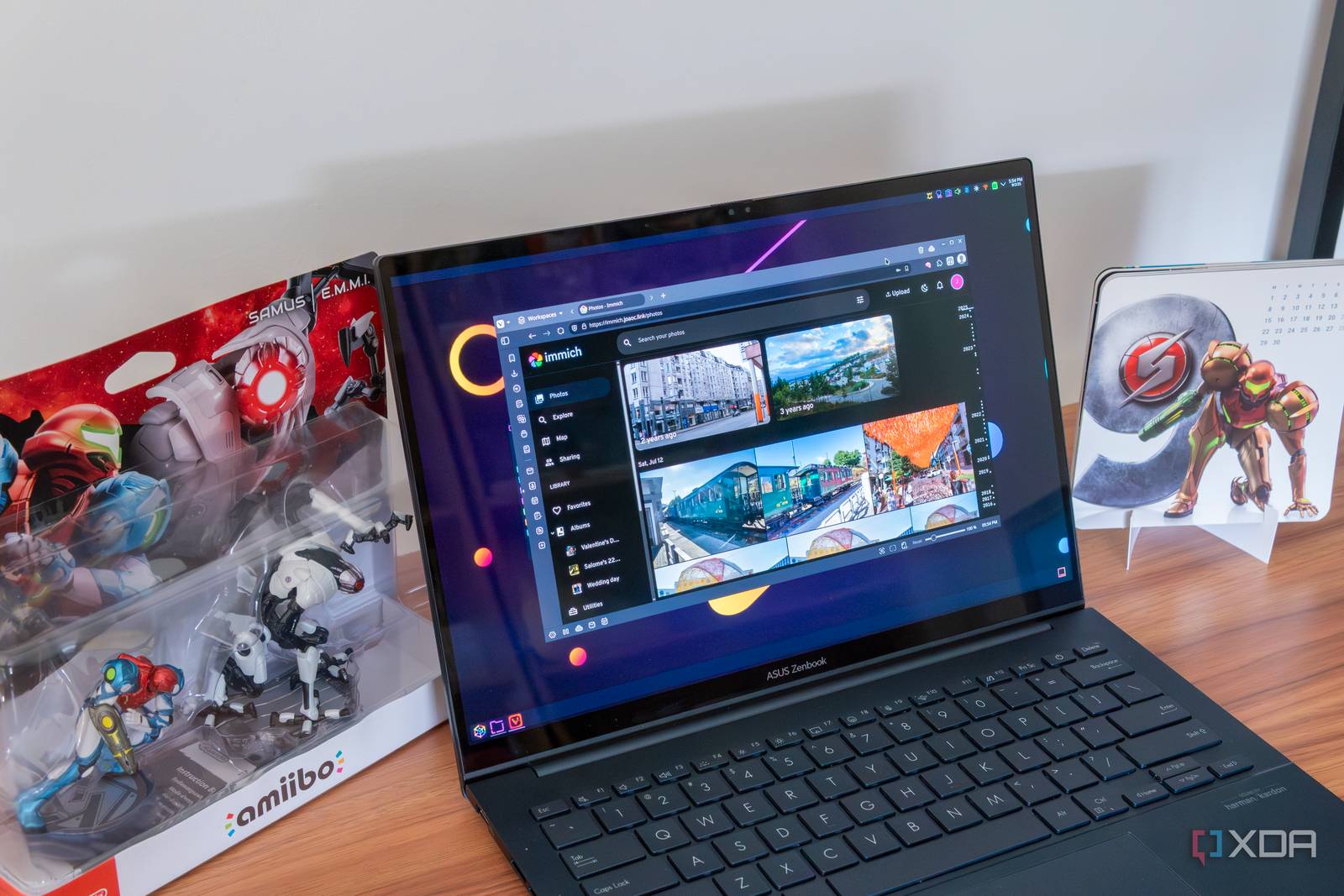
Setting up the self-hosted solution was a challenging but rewarding experience. Firstly, I had to choose the right software. For example, I opted for a popular open-source photo management tool. Meanwhile, I also had to configure the server and storage settings.
However, the process was smoother than expected. Additionally, the community support was excellent, with many online resources and forums available. Therefore, I was able to troubleshoot any issues that arose during the setup process.
Customizing the Solution
Once the self-hosted solution was up and running, I could customize it to fit my needs. For instance, I added features like automatic photo tagging and facial recognition. Meanwhile, I also set up a mobile app to access my photos on-the-go.
Furthermore, I could integrate it with other services, such as cloud storage and social media. However, I had to be careful not to compromise the security of my data. Therefore, I made sure to follow best practices for data protection.
In conclusion, self-hosting a Google Photos replacement has been a great experience. Not only do I have more control over my data, but I also save money on storage costs. Additionally, I’ve learned new skills and expanded my knowledge of technology.
If you’re considering self-hosting your own photo storage solution, I recommend giving it a try. However, be prepared to invest time and effort into setting it up and maintaining it. Meanwhile, the benefits far outweigh the costs, and you’ll have a more secure and customizable solution in the end.