
Shellworks Secures $15M to Scale Sustainable Plastic Alternative Vivomer
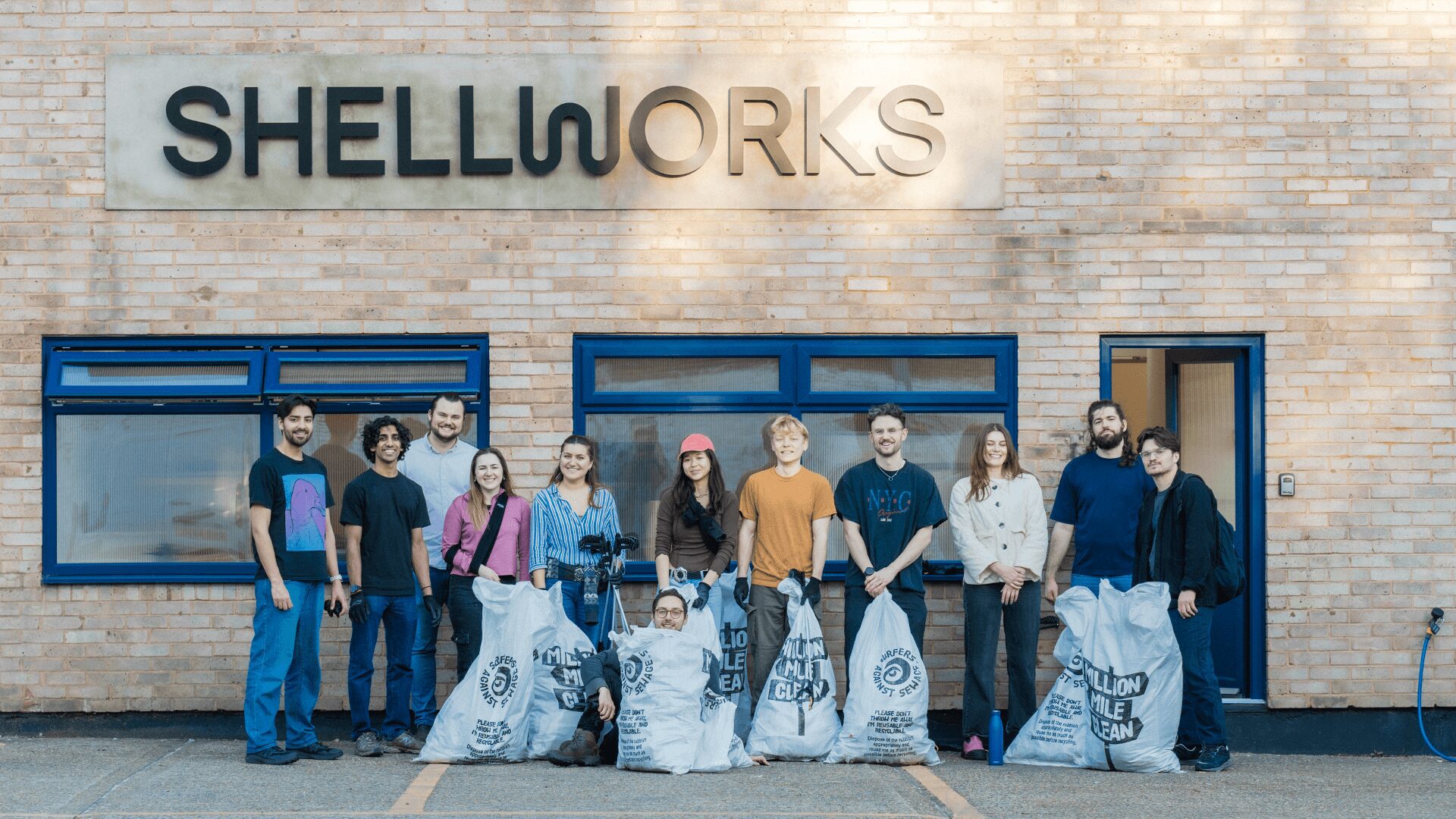
London-based biomaterials company Shellworks has raised $15 million in a Series A funding round led by Paris-based impact investment fund alter equity. This milestone marks a significant step forward in the fight against plastic waste, as the company accelerates the development of Vivomer, a bio-based material designed to replace conventional plastics.
How Vivomer is Revolutionizing Sustainable Packaging
Founded in 2019, Shellworks has developed Vivomer—a sustainable alternative to petroleum-based plastics that matches the cost of aluminum and glass. The material is produced by fermenting second-generation feedstocks like used cooking oil with microbes. It functions like traditional plastic during use but biodegrades after disposal, addressing a critical gap in the sustainability sector.
Key Features of Vivomer
- Cost-Competitive: Achieves price parity with aluminum and glass at 5 million units annually.
- Scalable: Designed for mass-market adoption in packaging, food, and wellness industries.
- Low Carbon Footprint: Utilizes waste materials and regional production to minimize environmental impact.
Why This Funding Matters for Sustainability
The $15M investment will expand Shellworks’ global manufacturing capabilities and support partnerships with major brands. CEO Insiya Jafferjee emphasizes that Vivomer proves sustainable materials can compete on cost and performance: “We’re proving that sustainability no longer means compromise. As we scale, our cost advantage will grow.”
Strategic Expansion Plans
The company plans to establish production facilities in the UK, EU, and US. This regional approach reduces transportation emissions and strengthens supply chain resilience. Shellworks also aims to integrate technologies like blow moulding to meet diverse industry needs.
Challenges and Opportunities in Sustainable Materials
While Vivomer addresses cost barriers, challenges remain. Scaling production to match global plastic demand requires ongoing innovation. However, the wellness sector’s growing demand for eco-friendly packaging presents a lucrative opportunity. Shellworks’ focus on this market aligns with consumer trends prioritizing sustainability.
Conclusion: A Blueprint for Sustainable Innovation
Shellworks’ success demonstrates that sustainability and profitability can coexist. By combining cutting-edge biotechnology with strategic partnerships, the company is setting a new standard for eco-friendly materials. For brands seeking cost-effective, scalable solutions, Vivomer offers a compelling path forward.
FAQs
- How does Vivomer contribute to sustainability? It uses waste materials and biodegrades after use, reducing reliance on fossil fuels.
- What industries can benefit from Vivomer? Food packaging, cosmetics, and wellness sectors are primary targets.
- Is Vivomer cost-competitive with traditional plastics? Yes, it matches the price of aluminum and glass at current production scales.
- How does Shellworks reduce its carbon footprint? Regional production facilities and renewable feedstocks minimize emissions.
- What’s next for Shellworks? Expanding global manufacturing and developing new applications for blow moulding.








