
Introduction to Shingles and Dementia
Recent studies have hinted at an unexpected benefit of the shingles vaccine: it may help prevent dementia. This connection, however, is still in its infancy, with more research needed to fully understand the relationship between shingles vaccination and dementia prevention.
Understanding Shingles
Shingles, caused by the varicella-zoster virus, is a condition characterized by a painful, itchy rash that can last for weeks. The virus remains dormant in nerve cells after a person recovers from chickenpox and can reactivate later in life, leading to shingles.
Vaccine Development
The first shingles vaccine, Zostavax, was introduced in 2006. It uses a live, weakened form of the varicella-zoster virus to stimulate the immune system. However, its effectiveness was found to be about 51% in preventing shingles.
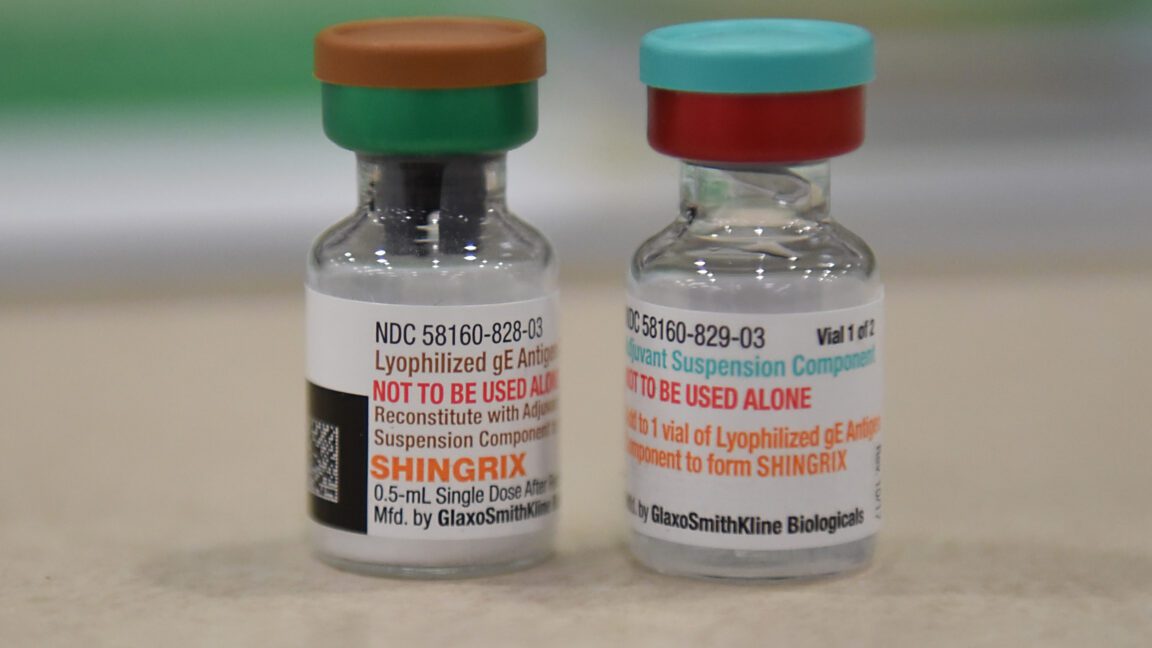
In 2017, a new vaccine called Shingrix was developed. This vaccine uses a different approach, delivering a key protein from the virus to the immune system, along with an adjuvant to enhance the response. Shingrix has been shown to be 90-97% effective in preventing shingles in adults aged 50 and above.
Link Between Shingles Vaccine and Dementia Prevention
Research has begun to uncover a potential link between receiving the shingles vaccine and a lower risk of developing dementia. Studies comparing vaccinated and unvaccinated individuals initially suggested this connection, but concerns about healthy-user bias (where healthier individuals are more likely to get vaccinated) complicates these findings.
More recent studies, however, have used the rollout of shingles vaccines in different countries to naturally compare outcomes between eligible and ineligible groups, minimizing the impact of self-selection bias. These natural experiments have consistently supported the idea that shingles vaccination is associated with a reduced risk of dementia.
Natural Experiments and Their Findings
A study in Wales found that vaccination reduced the relative rate of dementia cases by 20% compared to the ineligible group. Similar results were observed in Australia and Canada, with reductions in dementia rates among those eligible for the vaccine.
These findings are significant, suggesting that if the relationship holds, the shingles vaccine could be an important tool in the prevention of dementia.
Conclusion and Future Directions
<pWhile the evidence is promising, more research is needed to fully understand the mechanisms behind the potential protective effects of the shingles vaccine against dementia. If confirmed, this could represent a major breakthrough in dementia prevention.
For now, the message is clear: getting vaccinated against shingles not only protects against a painful and potentially debilitating condition but may also offer unforeseen benefits for brain health.
FAQs
- Q: What is the shingles vaccine, and how does it work?
A: The shingles vaccine, such as Shingrix, works by introducing a piece of the varicella-zoster virus to the body, which then triggers an immune response to fight it off, reducing the risk of shingles.
- Q: Can the shingles vaccine prevent dementia?
A: Current research suggests a link between receiving the shingles vaccine and a lower risk of dementia, but more studies are needed to confirm this relationship.
- Q: How effective is the shingles vaccine in preventing shingles?
A: The newer shingles vaccine, Shingrix, is about 90-97% effective in preventing shingles in adults aged 50 and above.
- Q: Is the shingles vaccine safe?
A: Like all vaccines, the shingles vaccine can cause side effects, but it is generally considered safe and well-tolerated.
- Q: Who should get the shingles vaccine?
A: The shingles vaccine is recommended for adults aged 50 and above, regardless of whether they recall having had chickenpox.








