Introduction to ISAC Technology
Imagine your smartphone transforming into a radar system, alerting you to potential dangers in your surroundings. This is now possible with Integrated Sensing and Communication (ISAC) technology, which converts ordinary smartphones into radar-like sensors. Vodafone and Tiami Networks are at the forefront of testing this innovative technology.
How ISAC Works
ISAC relies on echo-based pulses, similar to bat-like echolocation, allowing mobile networks to visualize their surroundings without additional hardware. This means users could receive alerts about crowded spaces, nearby hazards, or other dangerous situations simply through their devices.
Additionally, industries and public facilities could monitor intruders, unauthorized drones, or environmental risks. The potential applications are vast, including tracking natural disasters, monitoring livestock, and creating 3D maps using smart glasses.
Trials and Results
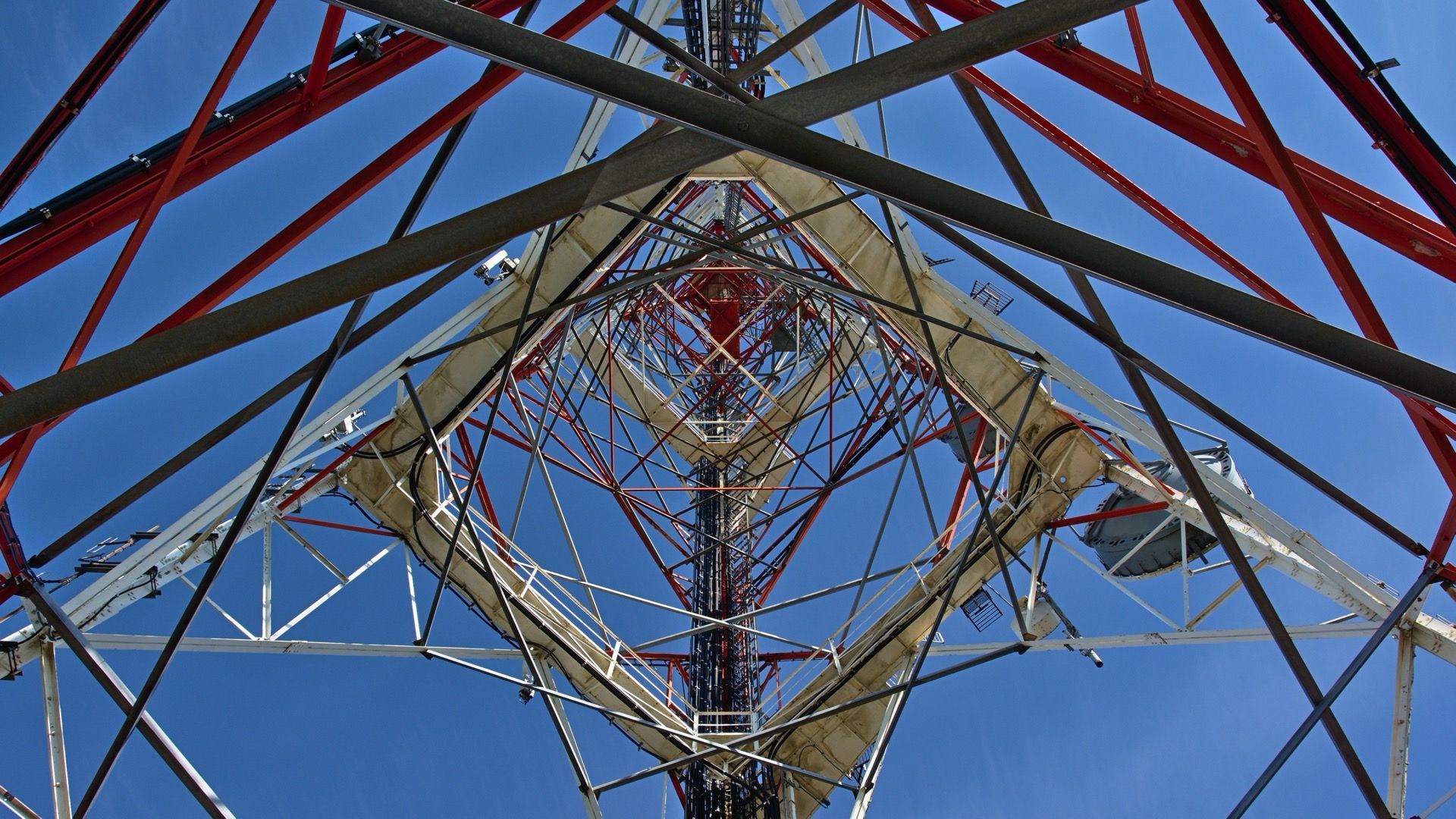
Vodafone and Tiami conducted trials at Vodafone’s Málaga R&D facility in Spain, employing Tiami’s PolyRAN software to turn base stations into wide-area sensors. The results were promising, with unconnected objects and people successfully detected across a live 5G network without causing any interference to voice calls, messaging, or internet usage.
This flexibility allows mobile networks to integrate new sensing capabilities through software updates rather than expensive equipment replacements. By transforming base stations into intelligent edge computing platforms, operators can perform advanced environmental sensing alongside traditional connectivity services.
Future Applications and Benefits
Beyond industrial or urban monitoring, ISAC could influence personal safety and everyday convenience. Business phones may alert users to hazardous conditions in crowded transport hubs or to hidden maintenance issues, such as burst pipes, within buildings.
The technology could also support privacy-conscious public applications, for example, counting visitors in a shopping mall without relying on cameras. While the full scope of ISAC remains to be proven, initial trials indicate that turning ordinary smartphones into active environmental sensors is technically feasible.
Conclusion and Future Directions
In conclusion, ISAC technology has the potential to revolutionize personal safety and environmental monitoring. With its ability to transform smartphones into radar-like sensors, it could alert users to potential dangers and support various industries in their operations.
As research and development continue, we can expect to see more innovative applications of ISAC technology. For now, it’s exciting to think about the possibilities this technology holds for our future.
Frequently Asked Questions
- What is ISAC technology?
- How does ISAC work?
- What are the potential applications of ISAC?
- Is ISAC compatible with existing 5G infrastructure?
- What are the benefits of using ISAC for personal safety and environmental monitoring?