Are Smoke Detectors Still Relevant in Today’s World?
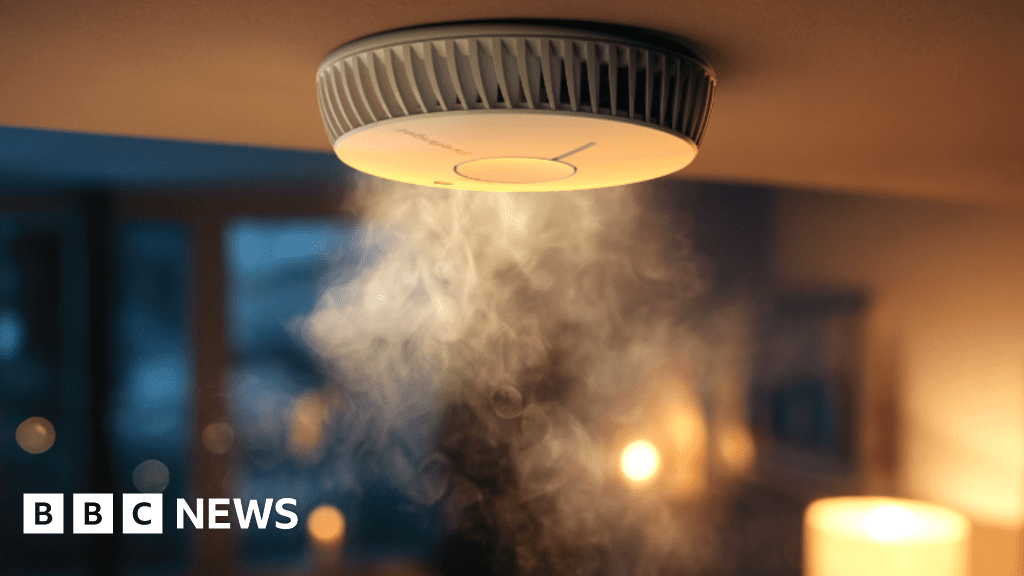
So, are smoke detectors still a thing? Absolutely, and I think they’re more important than ever. I mean, think about it – we’ve got all these new materials and technologies in our homes, from lithium-ion batteries to fancy kitchen appliances. And with that comes a whole new set of fire risks. But here’s the thing: traditional smoke detectors might not be equipped to handle these new threats.
I’ve been doing some research, and it turns out that detecting e-bike battery fires, for example, is particularly tricky. These fires can unfold super quickly, and by the time your traditional smoke detector goes off, it might be too late. That’s why some researchers are working on new ways of sensing smoke and fire – and it’s about time, if you ask me.
The Lowdown on Smoke Detector Tech
So, how do smoke detectors actually work? Well, there are two main types of tech: ionisation-based systems and optical-based systems. The first one uses a tiny amount of radioactive material to charge particles in the air, which then flow between two small plates. If smoke interrupts that flow, the alarm goes off. The second one uses light instead – it’s slightly better at detecting large smoke particles from slow, smouldering fires.
What About Heat Sensors?
Then there are heat sensors, which are often installed in kitchens to avoid false alarms when you burn your toast (we’ve all been there, right?). These sensors sound when temperatures climb above roughly 50C. But here’s the thing: the tests used to evaluate smoke alarms were developed way back in the 1980s. And despite changes in building materials since then, smoke alarms remain pretty reliable – but are they still up to the task?
The Stats Are Scary – But There’s Hope
According to Suzanna Amberski, head of customer and building safety at Kent Fire & Rescue Service, people are about 10 times more likely to die in a fire if there isn’t a working smoke alarm in the property. And it’s not just a UK problem – in the US, an estimated 16% of households don’t have a functioning smoke alarm. That’s crazy, right?
But here’s the thing: any certified, working smoke alarm is better than nothing. And with new technologies emerging, I think we’re on the cusp of a smoke detector revolution. So, what do you think – are you due for a smoke detector upgrade? Do you even have a working smoke alarm in your home? Let me know in the comments!