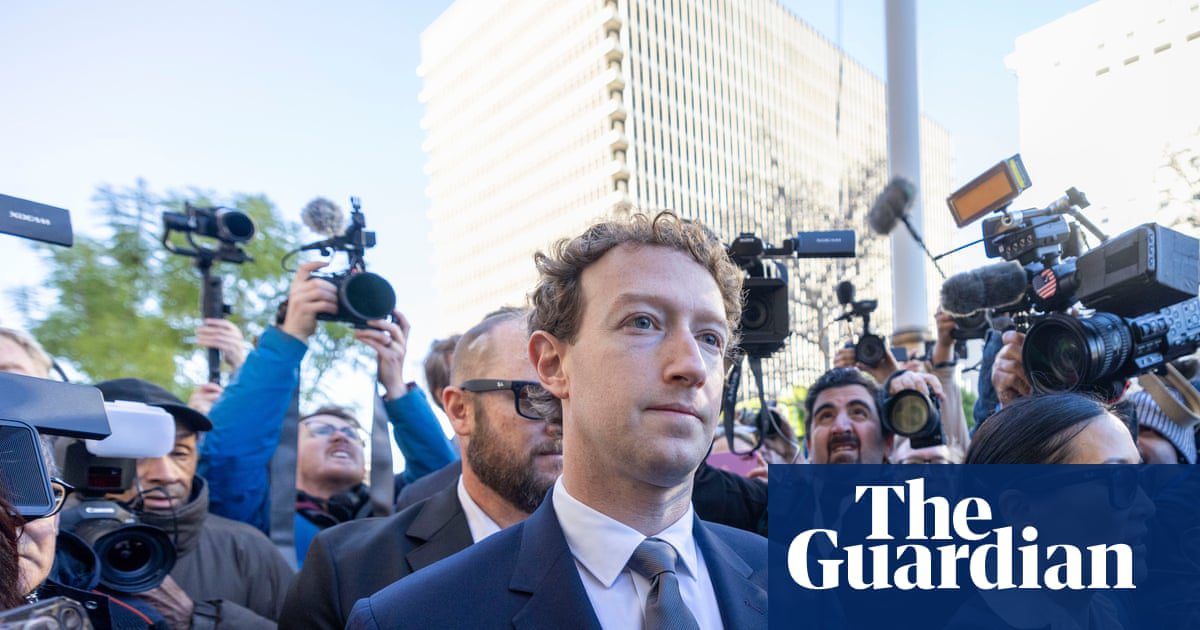
Meta chief executive Mark Zuckerberg could face thousands of similar lawsuits in US courts. Photograph: Jill Connelly/Getty Images
Landmark Verdict Shakes Silicon Valley
The verdict in a California court this week marked a turning point in the battle over social media addiction. Meta and YouTube were found liable for deliberately designing addictive platforms that harmed young users like Kaley, a 20-year-old who described her struggle to break free from social media at age 10. The ruling, which awarded $6 million in damages, has ignited hope among families and child safety advocates that big tech’s unchecked power is waning.
How the Case Unfolded
- Kaley, referred to by her first name for privacy, testified about her depression and self-harm linked to social media use.
- Jurors emphasized the need for tech companies to “feel the impact” of their harmful designs.
- Meta and YouTube were accused of using features like infinite scrolling and autoplay to trap users in cycles of engagement.
Global Push for Regulation
The verdict aligns with a global shift in tech policy. Indonesia and Australia now require deactivation of underage accounts on high-risk platforms. Brazil and the UK are enacting laws to curb addictive features, while U.S. politicians like Keir Starmer advocate for stricter rules. Even conservative leaders in the U.S. are calling for action, signaling a decline in tech’s political influence.
Key Developments Abroad
- Indonesia: Deactivates underage accounts on platforms like Roblox.
- Brazil: Enacted online safety laws to protect children.
- UK: Considers bans for under-16s and restrictions on infinite scrolling.
The Legal Battle Ahead
Meta and Google have vowed to appeal, arguing the verdict misunderstands their platforms. However, the case introduces a new legal theory: that social media apps themselves can be defective, not just the content they host. This challenges Section 230 of the U.S. Communications Decency Act, which has long shielded tech companies from liability.
What’s at Stake?
- Meta: Faces $375 million in New Mexico and thousands of lawsuits globally.
- YouTube: Could be forced to redesign features like autoplay and recommendations.
- Legal Precedent: The “big tobacco” analogy suggests a wave of lawsuits could follow.
Voices from the Frontlines
Esther Ghey, mother of murdered teen Brianna Ghey, sees parallels between her daughter’s story and Kaley’s. Both suffered from social media-induced isolation and mental health struggles. Meanwhile, Meta whistleblower Arturo Béjar highlights leaked internal documents showing the company’s awareness of harms.
Expert Reactions
- Prince Harry: “The truth has been heard and precedent has been set.”
- Roblox’s Matt Kaufman: “Governments are no longer deferring to the U.S. or EU.”
- Lawyer Jessica Nall: “This is a call to arms for plaintiff lawyers.”
What Comes Next?
While tech giants fight back, the momentum for reform is growing. Campaigners argue the verdicts could force redesigns of addictive features and stricter global regulations. However, legal battles may stretch for years, with Meta and Google already hinting at Supreme Court challenges.
Takeaway: The era of big tech’s invincibility may be ending. As governments and courts worldwide take notice, the pressure to create safer digital environments for children is intensifying. What do you think? Share your views in the comments.