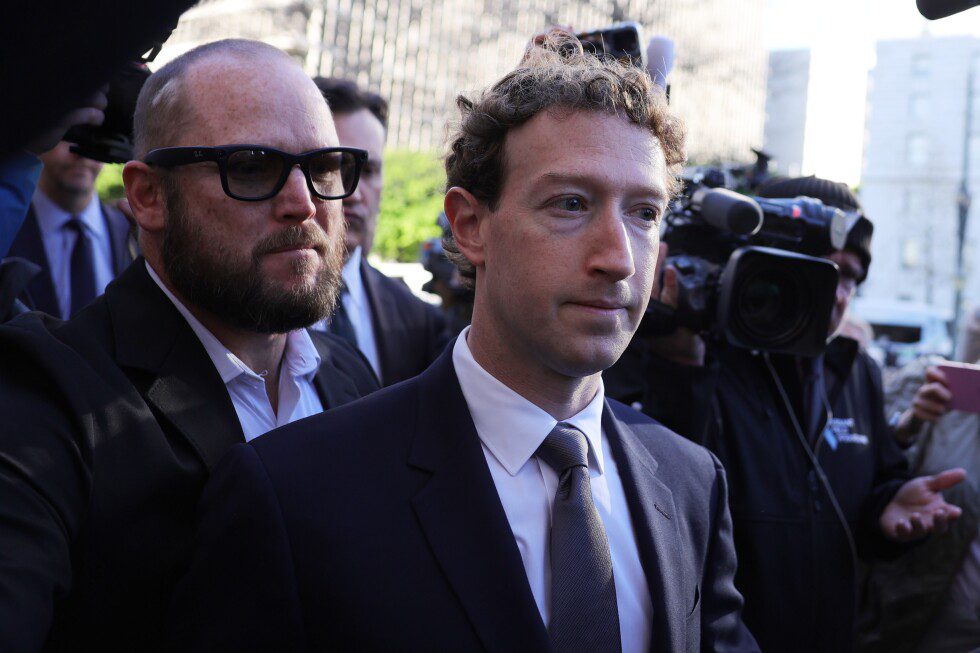
Social Media Addiction Trial: A Teen’s Testimony Sparks Legal Debate
In a landmark case that has ignited national conversation, 20-year-old plaintiff KGM testified before a federal court about how childhood social media use exacerbated her depression and suicidal thoughts. This trial marks a pivotal moment in the ongoing debate about tech accountability and mental health.
Key Details from the Social Media Addiction Trial
KGM’s testimony revealed a pattern of escalating social media use beginning at age 12. By 15, she was spending over 8 hours daily on platforms, correlating with a sharp decline in her mental health. The case hinges on whether tech companies can be held legally responsible for algorithmic design that prioritizes engagement over user well-being.
Testimony Highlights
- Started using social media at age 12
- Reported 8+ hours daily on platforms by age 15
- Correlation with increased depression symptoms
- Testified about algorithmic content triggering anxiety
Legal Arguments
Plaintiffs argue that platform algorithms are engineered to maximize screen time, creating addictive feedback loops. Defense attorneys counter that users have agency to self-regulate, though evidence shows minors struggle with this autonomy.
Broader Implications for Tech Accountability
This case could set a precedent for how courts evaluate digital product liability. Key questions include:
- Should platforms be required to implement mental health safeguards?
- What constitutes “reasonable” design in age-restricted content delivery?
- How can courts balance innovation with user protection?
Industry Reactions
Major tech companies have yet to issue formal statements, but internal documents leaked in previous cases suggest they anticipated such litigation. Mental health advocates argue this trial could force industry-wide reforms.
What Comes Next in This Legal Battle?
The court will consider expert testimony on adolescent psychology and algorithmic design. If plaintiffs succeed, it could lead to:
- Stricter age verification requirements
- Algorithmic transparency mandates
- Compensation for affected users
Conclusion: A Defining Moment for Digital Ethics
The social media addiction trial represents more than one person’s story – it’s a test of whether tech companies will be held accountable for their societal impact. As the case progresses, it will shape how we think about digital citizenship and corporate responsibility.
Stay informed about this developing story and its potential impact on digital policy.
FAQs About the Social Media Addiction Trial
- What is the focus of the social media addiction trial?
- The case examines whether platform algorithms contributed to a plaintiff’s mental health decline through excessive use.
- How long has the plaintiff used social media?
- KGM testified to using social media daily since age 12, with usage peaking at 8+ hours per day.
- What legal precedents could this trial set?
- It may establish new standards for digital product liability and algorithmic accountability.
- What mental health issues were discussed?
- The plaintiff linked increased social media use to worsening depression and suicidal ideation.
- What potential reforms might emerge from this case?
- Experts suggest possible changes to age verification systems, content moderation policies, and algorithmic transparency requirements.