Solar Panels That Power From Sun and Rain
Imagine a world where solar panels never stop working, even on cloudy or rainy days. A groundbreaking study published in Nano Energy reveals a new type of solar cell that harvests energy from both sunlight and rainfall. This innovation could revolutionize renewable energy by making solar panels more efficient and versatile.
How Rain-Powered Solar Panels Work
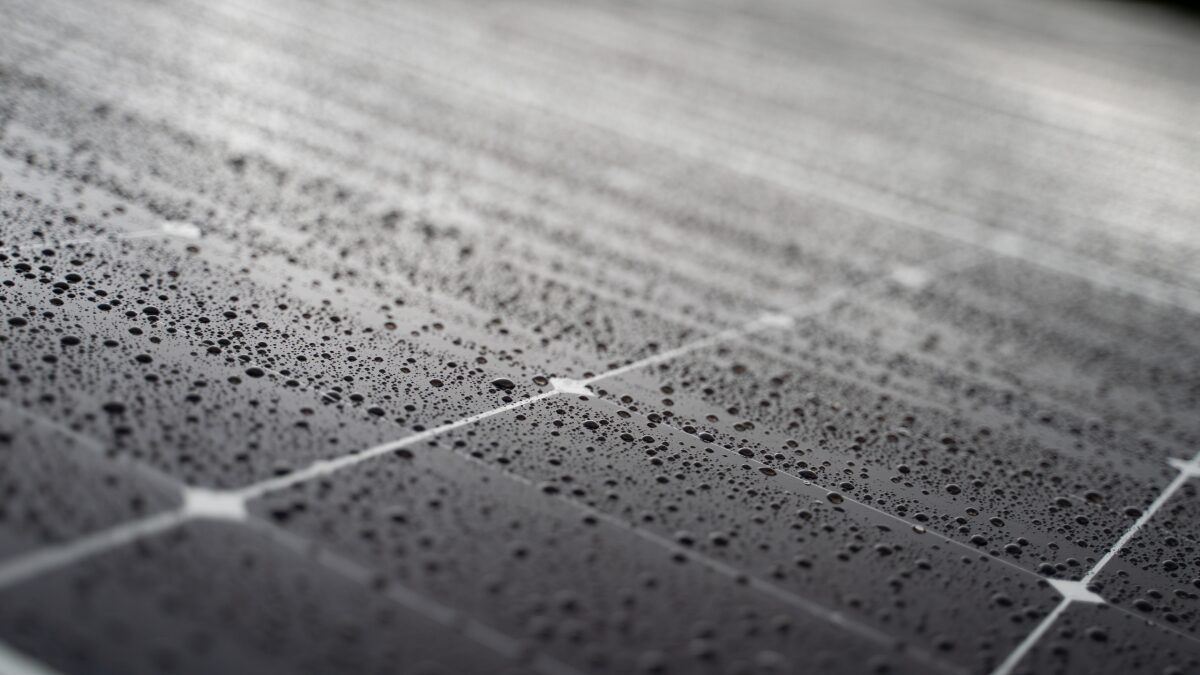
Traditional solar panels rely solely on sunlight, but this new design integrates a nanolayer that captures energy from raindrops. The technology uses the triboelectric effect—a process where physical motion generates electricity. When rain hits the panel’s surface, the nanolayer converts the kinetic energy of falling droplets into an electrical current.
Key Components of the Design
- Perovskite Solar Cells: Known for high efficiency and low cost, perovskite materials form the base of the panel.
- Nanocoating: A protective layer that shields the perovskite from moisture while enabling energy harvesting.
- Triboelectric Nanogenerator: Converts raindrop impacts into usable electricity.
Benefits of Dual-Source Energy Generation
This hybrid technology offers several advantages over conventional solar panels:
1. All-Weather Performance
Rainy regions or overcast climates can now generate consistent power without relying on direct sunlight. This makes solar energy viable in previously unsuitable locations.
2. Extended Panel Lifespan
The nanolayer not only harvests energy but also protects the perovskite material from degradation caused by humidity and UV exposure.
3. Low-Cost IoT Applications
With output of 110 volts and 1–10 mW/cm², these panels can power small devices like sensors, LEDs, or IoT equipment. This reduces the need for batteries in remote monitoring systems.
Real-World Applications and Potential
While the technology isn’t yet ready for large-scale power grids, it excels in niche applications:
- Smart Cities: Power streetlights or traffic sensors during storms.
- Industrial Monitoring: Maintain energy for equipment in harsh environments.
- Emergency Systems: Provide backup power during natural disasters.
Challenges and Future Outlook
Despite its promise, the technology faces hurdles:
1. Energy Output Limitations
The current design generates only enough power for low-consumption devices. Scaling up for household or grid use requires further efficiency improvements.
2. Durability Concerns
Perovskite materials remain sensitive to extreme temperatures and prolonged moisture exposure. Researchers are testing coatings to enhance stability.
3. Manufacturing Costs
Producing the nanolayer at scale could increase production costs. However, perovskite’s inherent affordability may offset this over time.
Why This Matters for Renewable Energy
This innovation addresses two critical gaps in solar technology: reliability and adaptability. By combining solar and rain energy, it reduces dependence on weather patterns and expands the geographic reach of clean energy. As perovskite research advances, we may see hybrid panels become a standard in the renewable energy toolkit.
Final Thoughts
The future of solar energy isn’t just about sunlight—it’s about harnessing every natural resource. While rain-powered panels won’t replace traditional solar arrays anytime soon, they represent a step toward smarter, more resilient energy systems. For now, they’re ideal for powering small devices, but the long-term potential is immense.
Frequently Asked Questions
How do solar panels generate power from rain?
Rain-powered panels use a nanolayer that converts the kinetic energy of falling raindrops into electricity via the triboelectric effect.
Can solar panels work efficiently in rainy conditions?
Traditional solar panels lose efficiency in rain, but hybrid designs like this one actually improve performance by harvesting energy from both sunlight and rainfall.
What is the efficiency of rain-powered solar panels?
Current prototypes produce 1–10 mW/cm² from rain, enough to power low-consumption devices but not yet suitable for large-scale energy needs.
Are rain-powered solar panels commercially available?
No—this technology is still in the research phase. Commercial adoption depends on improving durability and scaling production.
How does this technology impact the Internet of Things (IoT)?
By providing self-sustaining power, these panels reduce the need for batteries in IoT sensors and monitoring devices, especially in remote or harsh environments.