Sony Halts Memory Card Orders Amid Semiconductor Shortage Crisis
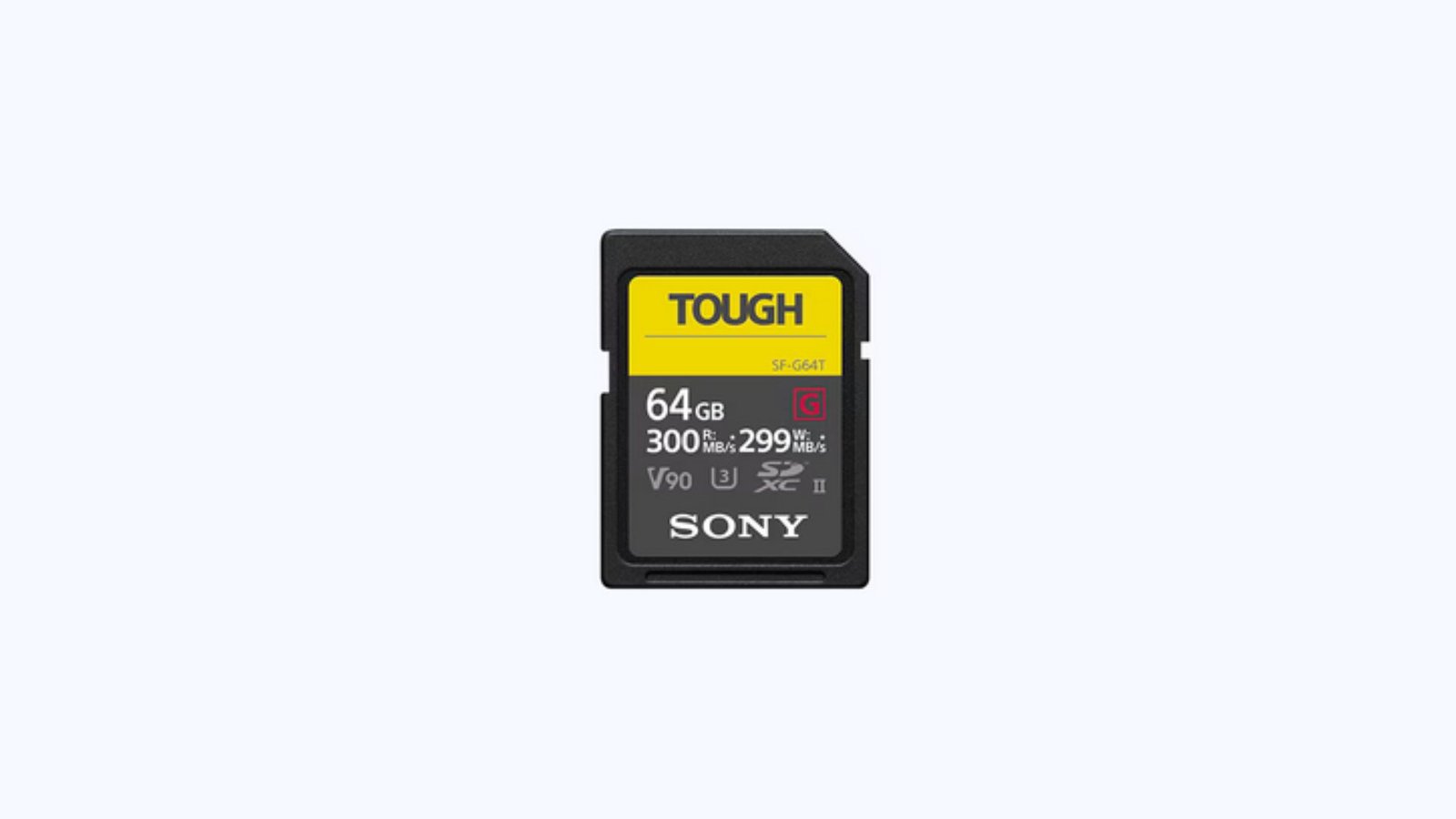
Global tech giants are feeling the strain of a worsening semiconductor shortage, and Sony has now joined the list of companies taking drastic measures. The Japanese electronics giant recently announced it would freeze memory card orders in Japan, citing “shortage of semiconductors” as the primary cause. This move highlights a broader industry crisis that impacts everything from consumer electronics to automotive manufacturing.
The Semiconductor Shortage: A Global Tech Crisis
Why Semiconductors Matter for Memory Cards
Semiconductors are the backbone of modern technology. For memory cards, these tiny components determine storage capacity, speed, and reliability. When semiconductor production slows—due to geopolitical tensions, natural disasters, or supply chain disruptions—the ripple effects are immediate. Sony’s decision reflects the growing pressure on manufacturers to prioritize resources for critical products.
Industry-Wide Implications
- Supply Chain Disruptions: Delays in semiconductor delivery force companies to halt or reduce production of non-essential items.
- Price Increases: Reduced supply often leads to higher prices for consumers.
- Market Uncertainty: Businesses must navigate unpredictable demand and inventory management.
Sony’s Strategic Move: Freezing Memory Card Orders
Sony’s choice to pause memory card orders in Japan is both pragmatic and strategic. By reallocating semiconductor resources to priority projects—such as gaming consoles, cameras, and AI-driven devices—the company aims to maintain its competitive edge. However, this decision leaves consumers and smaller electronics retailers in a lurch, with limited options for high-quality storage solutions.
What This Means for Consumers
Consumers may face:
- Longer wait times for new memory card releases
- Higher prices for available stock
- Increased reliance on alternative storage methods (e.g., cloud services)
What This Means for Businesses and the Market
Opportunities for Competitors
While Sony consolidates resources, competitors like SanDisk, Kingston, and Samsung may gain market share by maintaining steady production. This shift could accelerate innovation in storage technology as companies vie for dominance in a constrained market.
Long-Term Industry Adjustments
The crisis is prompting a reevaluation of supply chain strategies. Companies are investing in local semiconductor manufacturing and diversifying suppliers to reduce future risks. For example, TSMC and Intel are expanding U.S. facilities, while Japan’s government is offering subsidies to boost domestic production.
Conclusion: Navigating the Semiconductor Storm
The semiconductor shortage is a stark reminder of how interconnected global tech ecosystems are. Sony’s memory card freeze underscores the need for resilience in supply chains and adaptability in product strategies. For consumers, staying informed and exploring alternative storage solutions is key. For businesses, the lesson is clear: diversify suppliers and invest in contingency planning.
Stay updated on tech supply chain developments. Follow our blog for the latest insights and expert analysis.