
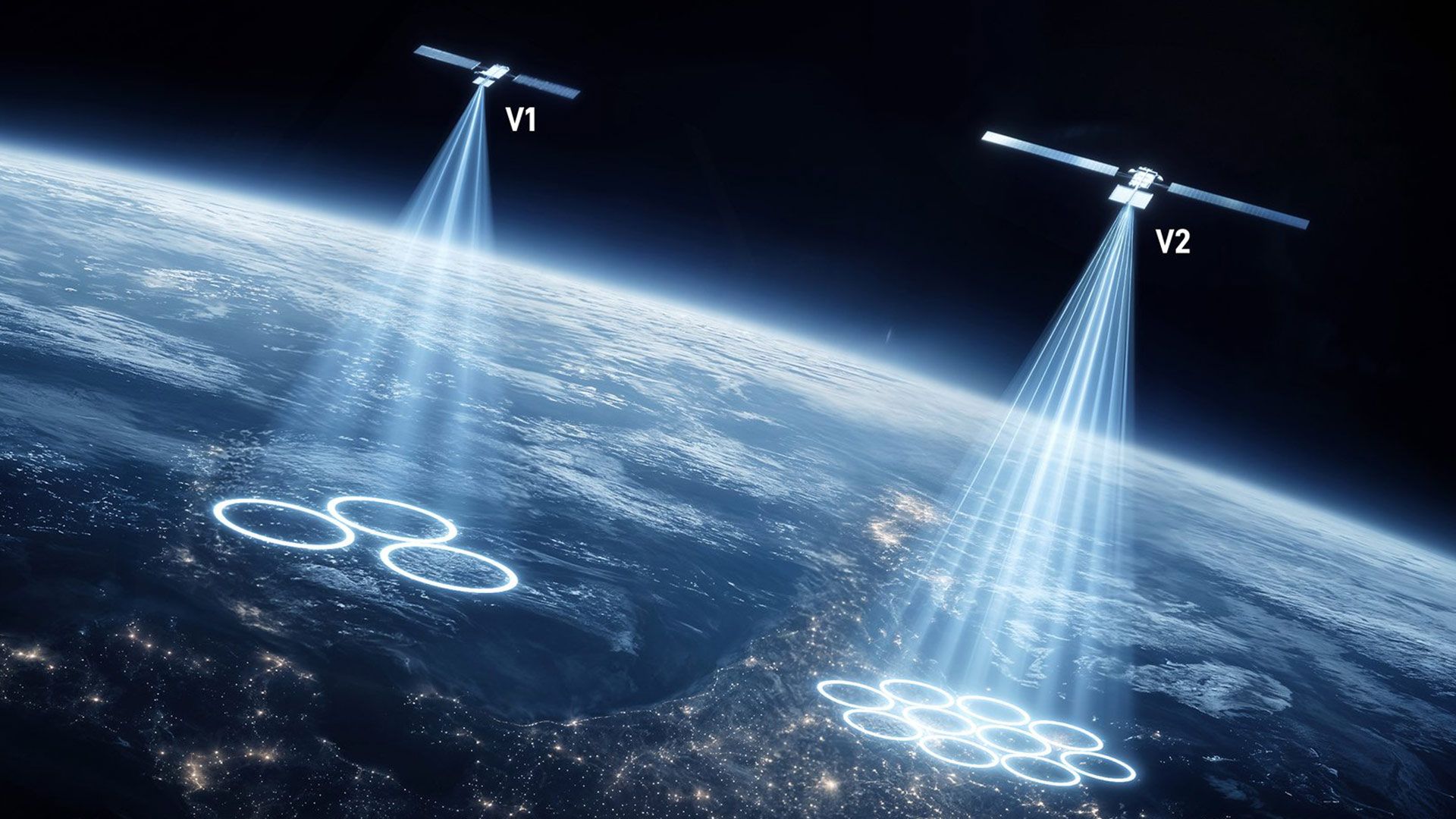
Starlink Mobile 5G: 5G Speeds from Space with V2 Satellites
Imagine downloading a 4K movie in seconds while sailing across the Pacific Ocean. That’s the promise of Starlink Mobile’s latest upgrade: 5G speeds from space. With its new V2 satellites, SpaceX is pushing the boundaries of satellite internet, offering 100x the data density of previous models. This article breaks down how this technology works, why it matters, and what it means for the future of global connectivity.
How Starlink Mobile 5G Works
Traditional satellite internet struggles with latency and limited bandwidth. Starlink’s V2 satellites address these issues by orbiting closer to Earth (340 miles vs. 550 miles) and using advanced phased-array antennas. These improvements reduce signal delay and boost data throughput, enabling 5G-like speeds even in remote areas.
Key Innovations in V2 Satellites
- Smaller, denser satellites: V2 models are 40% lighter but pack 100x more data capacity.
- Advanced laser links: Direct satellite-to-satellite communication minimizes ground infrastructure.
- Phased-array antennas: Automatically track satellites for seamless connectivity.
Why This Matters for Global Connectivity
Starlink Mobile 5G isn’t just about faster downloads. It’s about bridging the digital divide. For example, fishermen in the Pacific can now stay connected at sea, and emergency responders in disaster zones can access real-time data. The technology also supports IoT devices, autonomous vehicles, and remote healthcare in underserved regions.
Real-World Applications
During the 2023 wildfires in Canada, Starlink terminals provided critical communication links when terrestrial networks failed. Similarly, maritime companies like Maersk are testing Starlink for real-time cargo tracking across oceans.
Challenges and the Road Ahead
While promising, Starlink Mobile 5G faces hurdles. Regulatory approvals vary by country, and satellite internet still lags behind fiber in latency for high-end gaming or VR. However, SpaceX plans to launch 30,000+ V2 satellites by 2027, which could make this technology ubiquitous.
What to Expect Next
- 2024: Expanded coverage in North America and Europe.
- 2025: Integration with 5G networks for hybrid connectivity.
- 2026: Potential partnerships with major telecom providers.
Conclusion: The Future of Connectivity
Starlink Mobile 5G represents a leap forward in satellite technology. By combining 5G speeds with space-based infrastructure, SpaceX is redefining what’s possible for global internet access. As the V2 satellite network expands, we’re likely to see transformative changes in how we connect—on land, at sea, and in the air.
Ready to stay ahead of the curve? Follow our blog for updates on Starlink’s progress and how to access this cutting-edge technology in your area.








