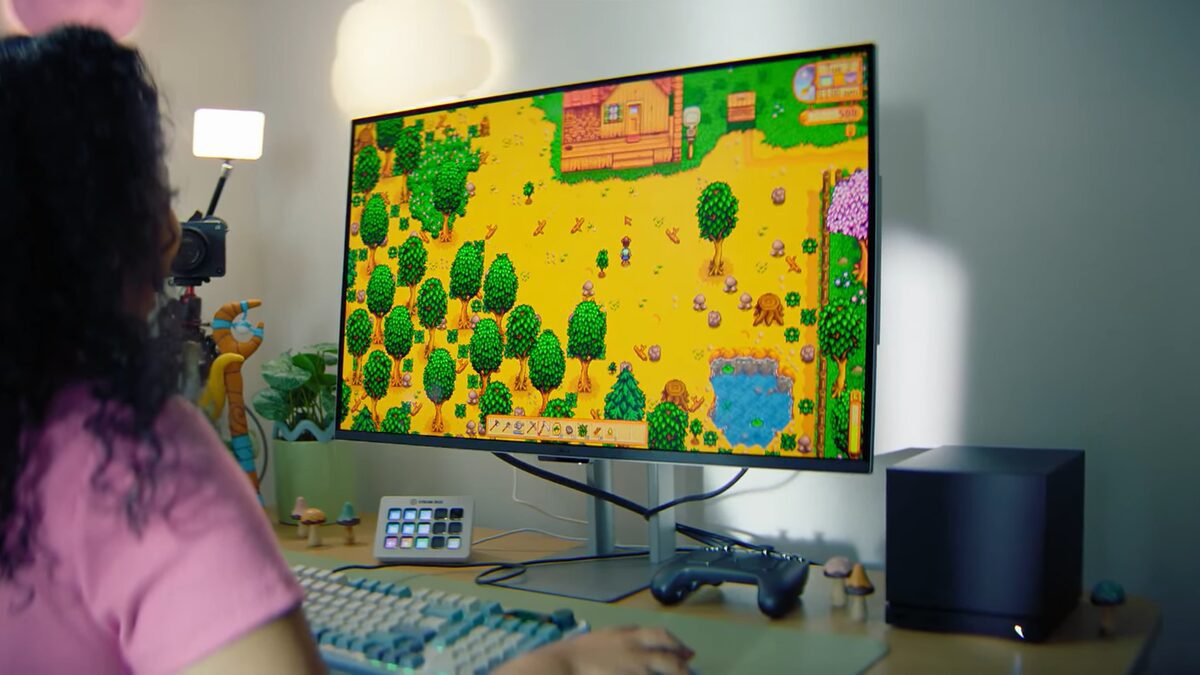
Steam Machine 2026: Why This Time, It’s Built to Succeed
Valve’s first Steam Machine launched in 2015 with high hopes but flopped spectacularly. Critics called it overpriced, underpowered, and incompatible with most games. Fast forward to 2026, and the new Steam Machine has no reason to fail. Let’s break down why this iteration is finally ready to win over gamers—and what it means for the future of PC gaming.
What Went Wrong with the First Steam Machine?
The original Steam Machine was a bold experiment. Valve aimed to bring PC gaming to the living room with a console-like device running SteamOS, a Linux-based operating system. However, the hardware was underwhelming, and the software ecosystem was unpolished. Gamers faced driver issues, limited game compatibility, and a steep learning curve. Meanwhile, consoles like the PS4 and Xbox One offered smoother, more reliable experiences.
Key Failures of the 2015 Steam Machine
- Hardware Limitations: Underpowered specs struggled with modern games.
- Software Bugs: SteamOS was unstable and lacked essential features.
- Game Compatibility: Only 30% of Steam titles worked out of the box.
Why the 2026 Steam Machine is Different
Valve learned from its mistakes. The 2026 Steam Machine addresses every major flaw with hardware upgrades, software refinements, and a better ecosystem. Here’s what changed:
1. Modern Hardware, No Compromises
The new Steam Machine uses high-end components: an AMD Ryzen 7 processor, NVIDIA RTX 4070 GPU, and 32GB of DDR5 RAM. This setup rivals the PS5 Pro and Xbox Series X|S, ensuring smooth performance for 4K gaming and ray tracing.
2. SteamOS 3.0: Stability and Compatibility
SteamOS 3.0 is a major overhaul. It now supports Windows game compatibility via virtualization, eliminating the need for dual-booting. The interface is faster, and Steam Deck’s touchpad controls have been refined for better precision.
3. A Thriving Ecosystem
Valve has partnered with game developers to optimize titles for the Steam Machine. Over 10,000 games now work seamlessly, including AAA titles like Call of Duty: Black Ops 6 and Starfield. The Steam Community also integrates directly into the UI, making social features more accessible.
Why This Time, It’s Built to Succeed
Three factors ensure the 2026 Steam Machine won’t repeat past failures:
- Competitive Pricing: At $699, it’s $100 cheaper than the PS5 Pro.
- Developer Support: Exclusive Steam titles and early access programs.
- Cloud Integration: Stream games from your PC or via Steam Cloud Gaming.
Conclusion: The Future of PC Gaming is Here
The 2026 Steam Machine isn’t just a console—it’s a bridge between PC and living-room gaming. With its modern hardware, polished software, and growing game library, it’s finally ready to compete. If you’re a PC gamer who wants a console-like experience, this is the device to watch.
Ready to upgrade your gaming setup? Check out the 2026 Steam Machine and see how it transforms your living room into a high-performance gaming hub.
FAQs
How does the 2026 Steam Machine differ from the original?
The 2026 model features modern hardware, SteamOS 3.0, and full Windows game compatibility—unlike the 2015 version, which struggled with performance and software bugs.
Can I play Steam games on the new Steam Machine?
Yes, over 10,000 Steam titles are optimized for the 2026 Steam Machine, including AAA games and indie hits.
Is the Steam Machine better than the PS5?
For PC gamers, the Steam Machine offers more flexibility with hardware upgrades and a broader game library. However, consoles like the PS5 still dominate in exclusive titles and ease of use.
Can I use the Steam Machine as a PC?
Yes, the Steam Machine runs SteamOS but can also boot into Windows via virtualization for full PC compatibility.
When will the 2026 Steam Machine launch?
Valve announced a Q2 2026 release date, with pre-orders opening in March 2026.