
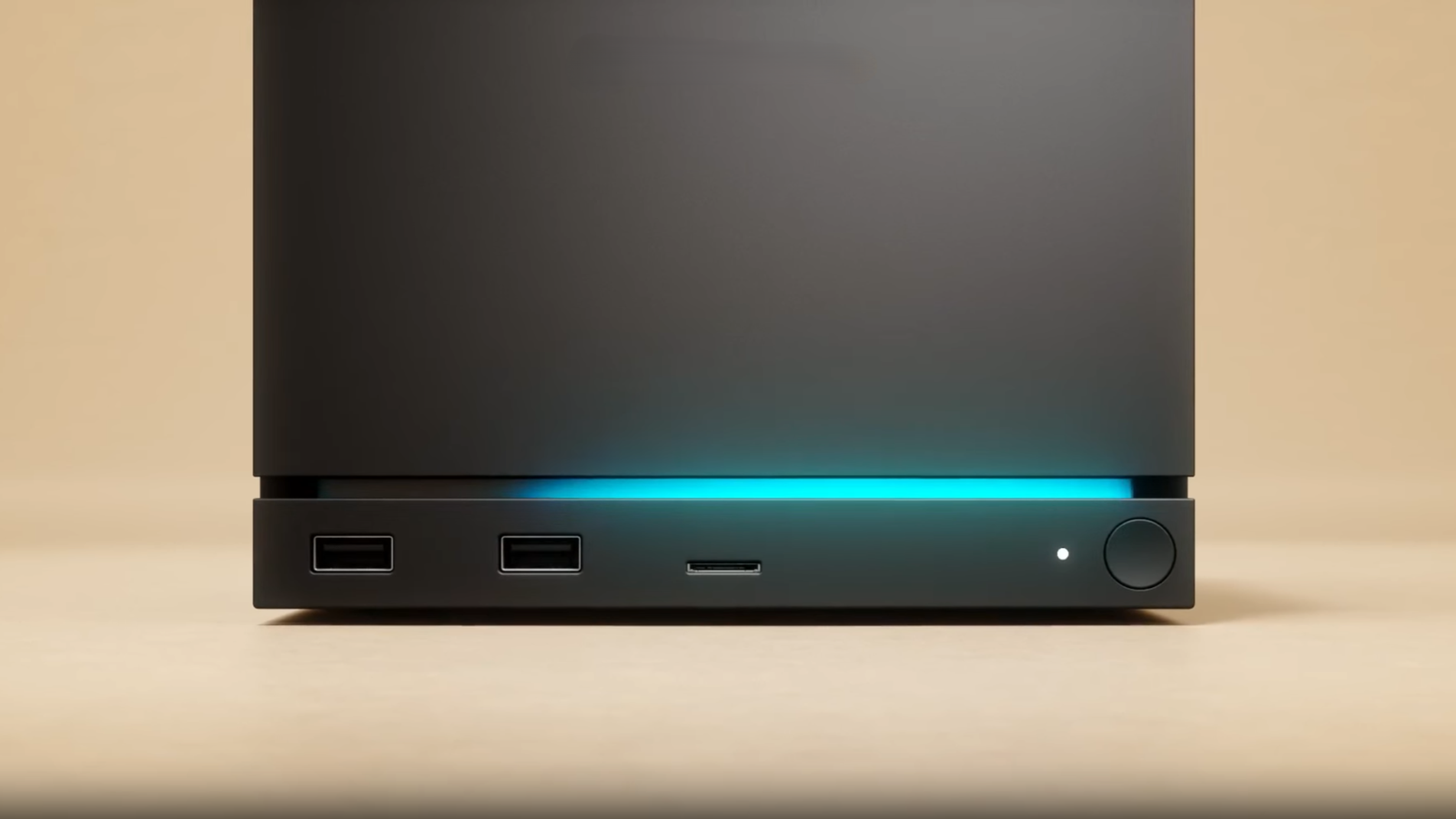
Introduction: The Steam Machine Faces a RAMpocalypse
The Steam Machine, Valve’s ambitious mini gaming PC, is caught in a perfect storm of the global RAM crisis. As memory shortages and price hikes disrupt the PC hardware market, Valve’s plans for a 2026 launch face mounting pressure. But one strategic decision could save the Steam Machine from becoming another casualty of the RAMpocalypse.
Why the RAM Crisis Matters for the Steam Machine
The RAM shortage isn’t just a minor hiccup—it’s a full-blown crisis. Prices have skyrocketed, and even the Steam Deck OLED, Valve’s handheld console, is facing indefinite stock delays. For the Steam Machine, this means production costs are rising, and affordability—a key selling point—could vanish. If launched at a premium, the Steam Machine risks repeating the fate of its 2010s predecessors, which failed due to poor pricing and competition.
Market Disruptions and Consumer Impact
- Price hikes: RAM shortages are forcing companies like Microsoft and Sony to raise console prices. Valve could face similar pressure.
- Supply chain delays: The AI boom has diverted resources to data centers, worsening shortages.
- Consumer frustration: Gamers are already wary of delays (see: GTA 6 backlash). A rushed Steam Machine could backfire.
Valve’s Strategic Dilemma: Delay or Launch?
Valve has two options: delay the Steam Machine indefinitely or proceed with a potentially overpriced launch. While delays are unpopular, they might be the safer bet. An indefinite postponement would allow the RAM market to stabilize, ensuring a competitive price. However, predicting when the crisis will ease is impossible—Valve might wait until 2027 or beyond.
Why Delaying Makes Sense
Launching now risks a price hike within months. Even if the Steam Machine starts affordable, rising RAM costs could force Valve to increase prices later. This scenario played out with the Steam Deck OLED, which saw stock delays despite initial optimism. By waiting, Valve avoids locking in a price that could become uncompetitive quickly.
How the Steam Machine Can Still Succeed
Despite the challenges, the Steam Machine has potential. It could disrupt the console market and boost SteamOS adoption on Linux. To succeed, Valve must:
- Revisit pricing: Ensure the final price reflects market realities without alienating fans.
- Focus on SteamOS: Leverage the Steam Machine to expand Linux game compatibility.
- Communicate transparently: Keep fans informed about delays and cost challenges.
Conclusion: A Race Against the Clock
The Steam Machine’s fate hinges on Valve’s ability to navigate the RAM crisis. While delays are frustrating, they might be necessary to avoid a repeat of past failures. Gamers should stay tuned—this could be the mini PC that finally bridges the gap between PC and console gaming.
FAQs
How is the Steam Machine RAM crisis affecting its launch?
The RAM shortage is delaying production and threatening affordability. Valve may need to delay the Steam Machine to avoid uncompetitive pricing.
Will the Steam Machine compete with the PlayStation 5 or Xbox Series X?
Yes, but its success depends on pricing and SteamOS adoption. A high price could limit its appeal against established consoles.
Can the RAM crisis impact other gaming hardware?
Absolutely. The crisis is already affecting the Steam Deck OLED and could lead to price hikes for consoles like the Xbox Series S and PlayStation 5 Pro.
What’s the timeline for the Steam Machine’s potential launch?
Originally slated for early 2026, the launch is now uncertain. Delays could push it to 2027 or later, depending on RAM market stability.
How might the Steam Machine benefit Linux gaming?
By running SteamOS, the Steam Machine could drive more game developers to optimize titles for Linux, expanding the platform’s reach.








