
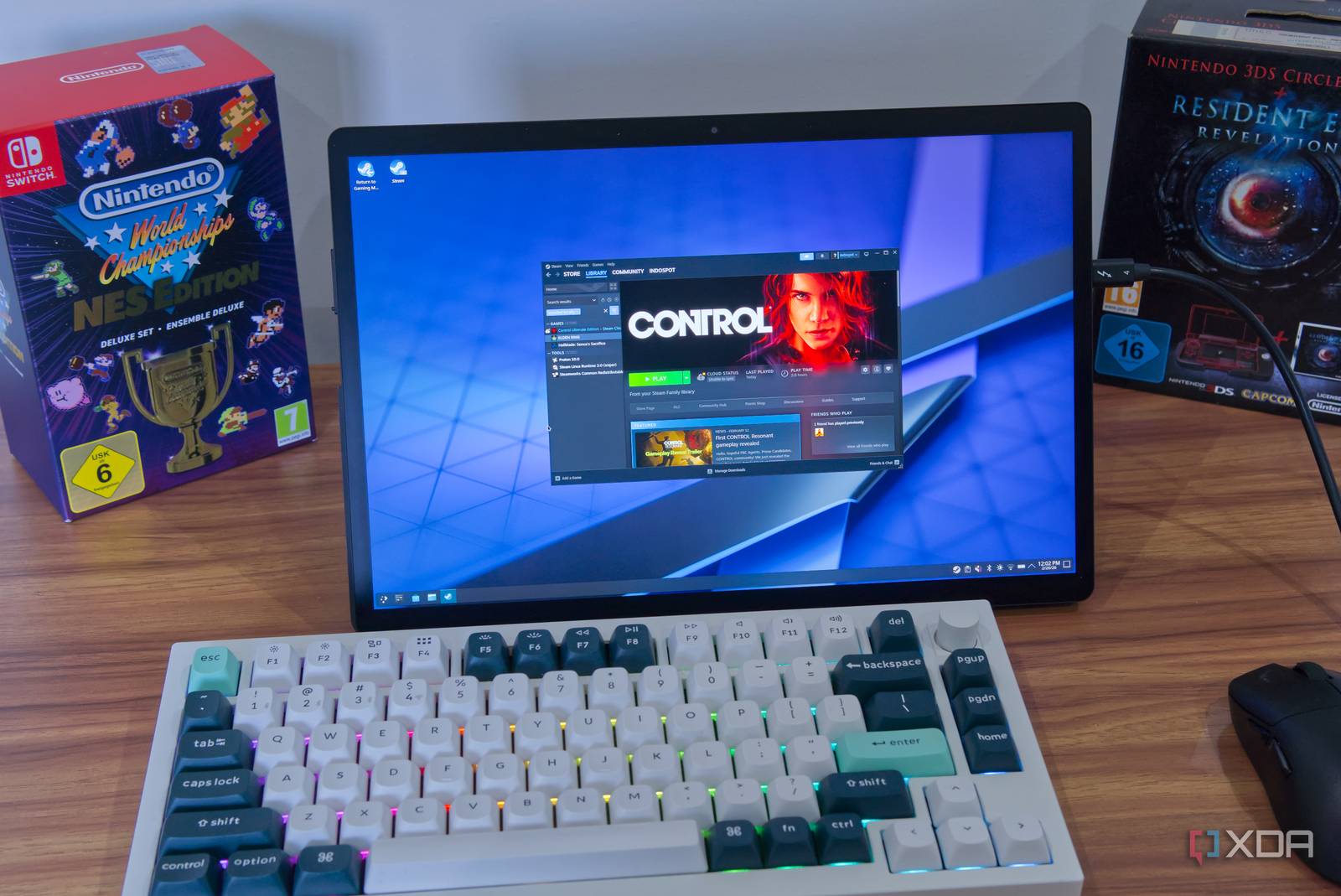
Introduction to SteamOS on PC
Installing SteamOS on a regular PC can seem like a daunting task, but the results are well worth the effort. As an avid gamer and tech enthusiast, I decided to take the plunge and install SteamOS on my PC. The outcome was surprisingly smooth, with SteamOS running better than I expected.
What is SteamOS?
SteamOS is a Linux-based operating system designed specifically for gaming. Developed by Valve Corporation, it’s meant to provide a seamless gaming experience on Steam Machines. However, with some tweaking, it can also run on regular PCs. For example, I was able to play popular games like Portal 2 and Team Fortress 2 without any issues.
System Requirements
To install SteamOS on a regular PC, you’ll need a few things: a 64-bit CPU, at least 4GB of RAM, and a decent graphics card. Additionally, you’ll need a USB drive with at least 8GB of free space. Meanwhile, it’s also important to note that SteamOS only supports UEFI boot, so you’ll need to ensure your PC is set up to boot in UEFI mode.
Installation Process
Installing SteamOS is relatively straightforward. First, you’ll need to download the SteamOS installation files from the official Valve website. Then, you’ll need to create a bootable USB drive using a tool like Rufus. Finally, you’ll need to boot from the USB drive and follow the on-screen instructions to complete the installation. For instance, I found that using a USB 3.0 drive significantly sped up the installation process.
Post-Installation Configuration
After installation, you’ll need to configure your SteamOS setup. This includes setting up your network connection, configuring your graphics settings, and installing any necessary drivers. Additionally, you may need to install additional software, such as a web browser or media player. However, SteamOS comes with many popular games pre-installed, making it easy to get started.
Performance and Gaming Experience
So, how does SteamOS perform on a regular PC? In my experience, it runs surprisingly smoothly. Games load quickly, and the overall performance is on par with other gaming operating systems. Meanwhile, the Steam client is well-integrated, making it easy to browse and play your favorite games. For example, I was able to play Dota 2 with my friends without any lag or issues.
Gaming Performance Comparison
In terms of gaming performance, SteamOS on a regular PC is comparable to other operating systems. However, it’s worth noting that SteamOS is optimized for gaming, so you may see better performance in certain games. Additionally, SteamOS supports many popular gaming peripherals, including controllers and graphics cards.
Conclusion
In conclusion, installing SteamOS on a regular PC is a great way to breathe new life into an old machine. With its smooth performance and seamless gaming experience, it’s an excellent option for gamers on a budget. Therefore, if you’re looking for a new operating system to try, I highly recommend giving SteamOS a shot. Finally, be sure to check out the official SteamOS website for more information and to download the installation files.
Frequently Asked Questions
- Q: What are the system requirements for SteamOS?
A: SteamOS requires a 64-bit CPU, at least 4GB of RAM, and a decent graphics card. - Q: Can I install SteamOS on a regular PC?
A: Yes, you can install SteamOS on a regular PC, but you’ll need to ensure your PC meets the system requirements and is set up to boot in UEFI mode. - Q: How do I install SteamOS?
A: You can install SteamOS by downloading the installation files, creating a bootable USB drive, and following the on-screen instructions. - Q: What kind of gaming performance can I expect from SteamOS?
A: SteamOS is optimized for gaming, so you can expect smooth performance and fast load times. - Q: Is SteamOS free?
A: Yes, SteamOS is completely free to download and use.








