
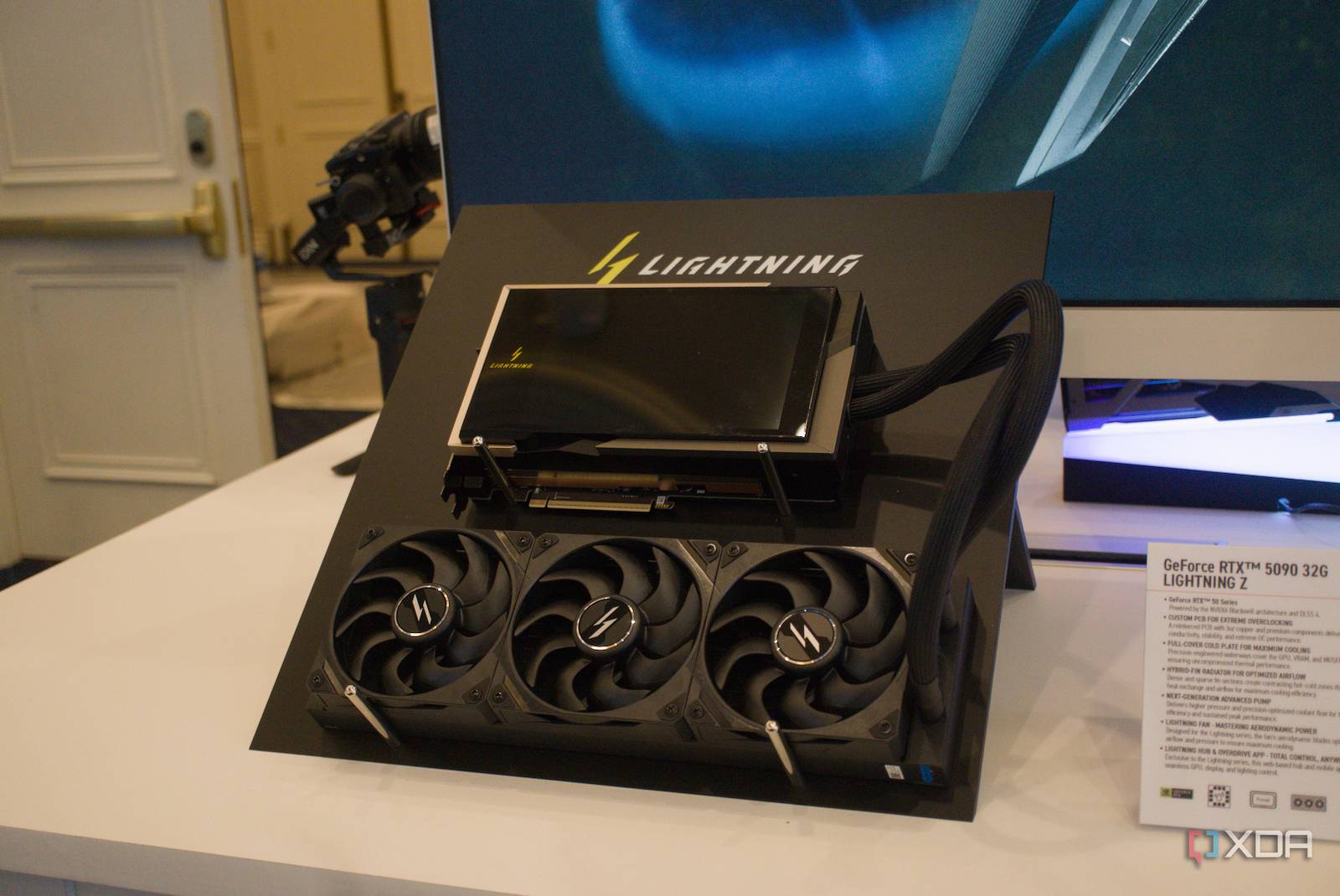
Introduction to GPU Features
When buying a new graphics card, it’s easy to get caught up in the hype surrounding the latest and greatest features. However, some of these features may not be as useful as they seem. For example, meanwhile, many gamers are willing to pay a premium for high-end GPUs with advanced features like ray tracing and artificial intelligence-enhanced graphics.
Additionally, the marketing campaigns of GPU manufacturers often create a sense of urgency, making consumers feel like they need the latest technology to stay ahead of the curve. Therefore, it’s essential to take a step back and assess which features are truly necessary for your gaming needs.
Pointless GPU Features to Avoid
There are several GPU features that may not be worth the extra cost. Firstly, multi-frame sampled anti-aliasing is a feature that can be replicated with other techniques, making it less necessary. Secondly, meanwhile, advanced physics simulations may not be noticeable in most games, and the performance hit may not be justified.
Furthermore, for instance, 8K resolution support is still in its infancy, and the majority of gamers are still using 1080p or 1440p monitors. Finally, the cost of these high-end features can be prohibitively expensive, and the benefits may not outweigh the costs.
Conclusion and Recommendations
In conclusion, when buying a new GPU, it’s crucial to prioritize the features that matter most to you. By avoiding pointless features and focusing on what’s truly important, you can save money and get the best performance for your gaming needs.
For example, consider the following tips when shopping for a GPU:
- Assess your gaming needs and prioritize features accordingly
- Research and compare different GPU models to find the best value
- Don’t be swayed by marketing hype – focus on real-world performance








