
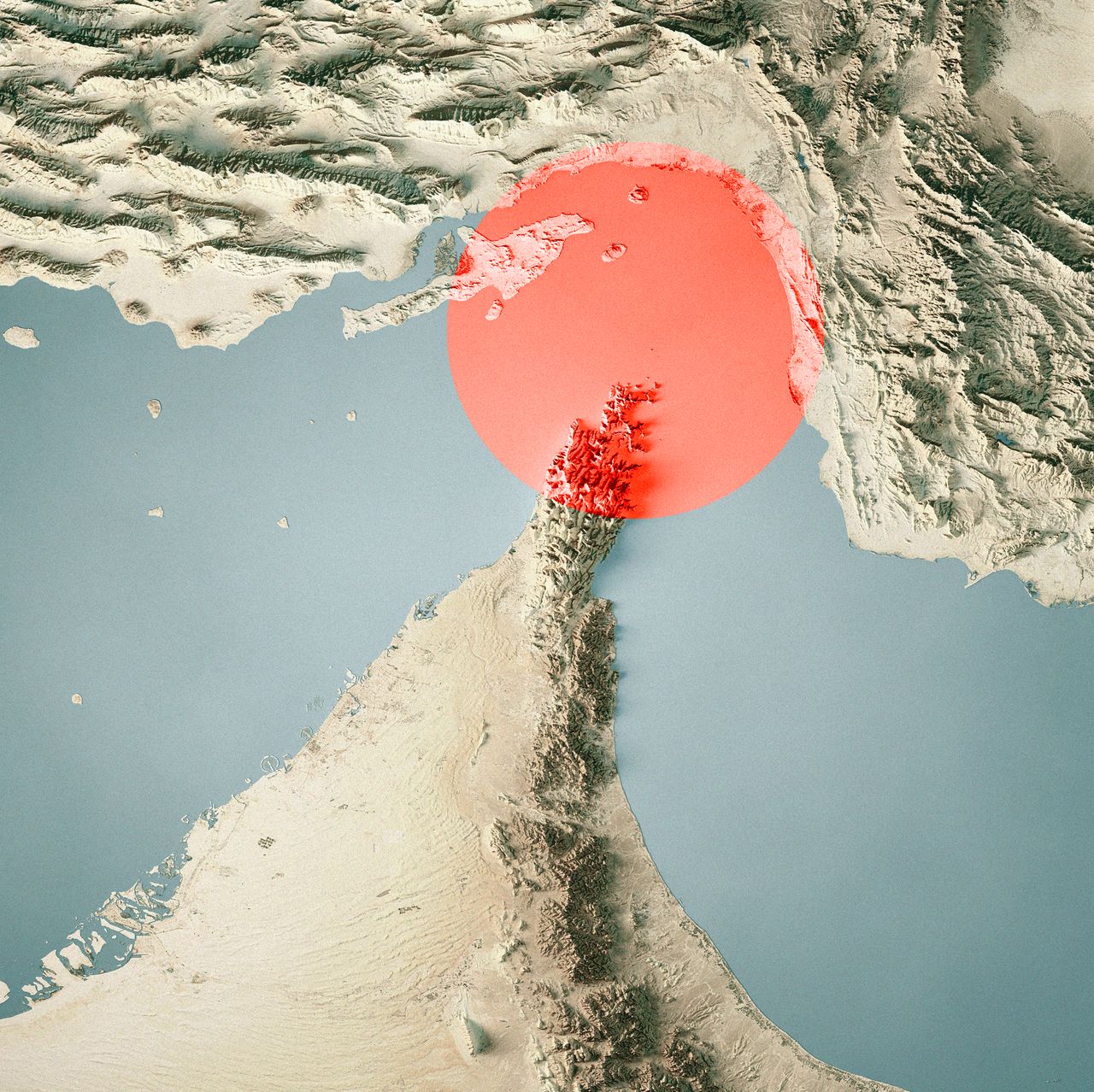
Strait of Hormuz Closure: A Threat to Global Economy
The Strait of Hormuz is a critical energy chokepoint, with about 20 million barrels of oil passing through it daily. However, recent conflicts in Iran have put this vital waterway at risk. Meanwhile, analysts warn that a disruption in the Strait of Hormuz could trigger a new inflation shock across the global economy.
Why the Strait Matters
Additionally, the strait is crucial for gas markets, with around 20% of global liquefied natural gas trade moving through it. Therefore, a disruption would remove a significant share of the world’s energy supply from global markets almost immediately. For example, data from the US Energy Information Administration shows that the strait is a vital passage for oil and petroleum products.
Potential Consequences
Furthermore, closing the Strait of Hormuz would have severe consequences for the global economy. It would cut off most oil exports from the Gulf, with no alternative export system at comparable scale. Moreover, LNG markets would also be hit, with Qatar, the world’s largest exporter of liquefied natural gas, depending almost entirely on the Strait of Hormuz to export its fuel.
Finally, the effects of a strait closure would likely reach global consumers quickly, with higher gas prices, more expensive airline tickets, and rising transport costs that feed into the price of food and goods. However, strategic petroleum reserves could moderate the shock, but releases take time and cannot fully substitute for Gulf crude grades.








