Introduction to Strava’s New Activity Categories
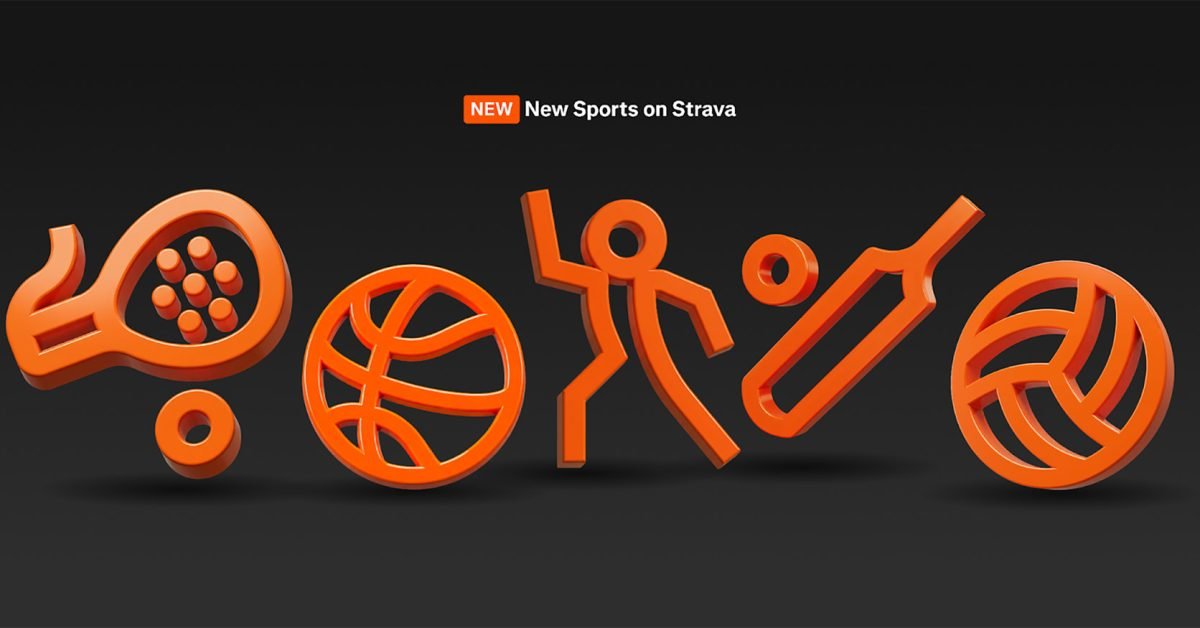
Strava, the popular activity-tracking platform, has announced the addition of five new activity modalities to its existing list. This move comes in response to requests from its vibrant community, aiming to cater to a broader range of interests and activities. Among these new categories, one of the most notable additions is dancing, reflecting the platform’s effort to embrace diverse forms of physical activity.
Understanding the New Activity Modalities
The inclusion of dancing as an activity modality highlights Strava’s commitment to recognizing the variety of ways people stay active. Beyond dancing, the other four modalities are designed to capture specific types of exercises or sports that were previously not well-represented on the platform. This expansion not only enriches the user experience but also encourages a more inclusive environment where individuals can track and share their unique fitness journeys.
Technical Insights
- The update is part of Strava’s ongoing effort to enhance user engagement and satisfaction by providing more personalized tracking options.
- The new activity categories are expected to improve the platform’s appeal to a wider audience, including those who participate in less conventional forms of exercise.
- Strava’s decision to add these modalities is based on feedback from its community, demonstrating the company’s commitment to user-centric development.
- The technical implementation of these new categories involves updates to the platform’s database and user interface, ensuring seamless integration with existing features.
- Strava’s API may also see updates to accommodate the new activity types, allowing for more diverse data analysis and third-party application development.
Implications and Future Directions
The addition of new activity modalities, including dancing, marks a significant step forward for Strava in terms of inclusivity and versatility. As the platform continues to evolve, it is likely that we will see further expansions in activity tracking capabilities, possibly incorporating emerging trends in fitness and wellness. The focus on community feedback suggests that Strava is poised to remain a leader in the activity-tracking sector, catering to the diverse needs and interests of its users.
Conclusion
In conclusion, Strava’s introduction of new activity categories, including dancing, underscores the platform’s dedication to innovation and user satisfaction. As the fitness landscape continues to evolve, Strava’s ability to adapt and include a wide range of activities will be crucial to its success. With this update, Strava reinforces its position as a premier destination for individuals seeking a comprehensive and engaging activity-tracking experience.