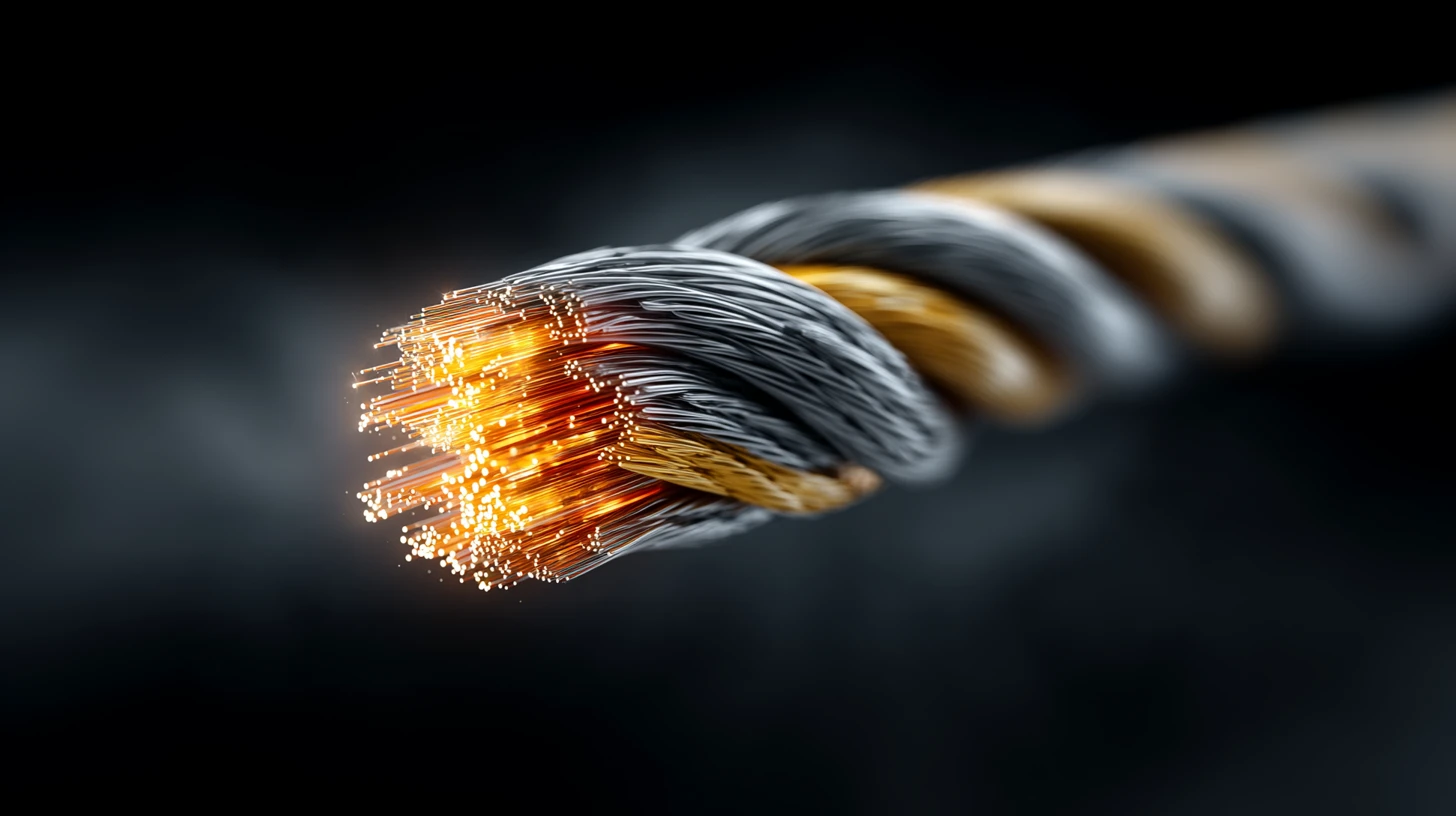
Submarine Cables: The Overlooked Critical Infrastructure
Submarine cables, which carry the majority of the world’s cross-border data traffic, have become a critical infrastructure security concern. A recent report highlights the growing importance of securing these cables.
The Rising Threat of Submarine Cable Security Breaches
The 2024 incident in the Baltic Sea, where a Chinese-flagged vessel severed key cables, has become a reference point for the industry. Executives describe this as a case of persistent grey-zone risk, where repeated damage incidents have prompted governments to increase scrutiny of cable routes and landing stations.
Meanwhile, the physical security of cables and the cybersecurity of landing stations are now front-line concerns for both operators and government risk assessors. However, there is a shortage of specialized cable ships, spare parts, and experienced personnel, making repair logistics a growing vulnerability.
Hyperscalers and the Changing Landscape of Submarine Cable Ownership
Cloud providers have moved from being wholesale capacity customers to acting as lead investors and infrastructure architects. This shift has created commercial tension, with hyperscalers now functioning simultaneously as partners, competitors, and direct owners of subsea assets.
Additionally, sensing technology is extending cable capabilities, allowing for real-time monitoring and fault detection. This shift means cables are no longer evaluated solely as data transport infrastructure, but also as active monitoring tools.
Coordination: The Central Unsolved Problem
Despite these developments, coordination remains the central unsolved problem. Resilience depends on coordination between governments and private operators, across national regulatory frameworks, and among competing commercial interests.
Finally, submarine cables have become strategic assets in their own right. Securing them requires the same combination of technical controls, organizational readiness, and cross-border cooperation that cybersecurity professionals apply to other categories of critical infrastructure.