Systemd 260-rc3 Adds AI Agents Documentation
Systemd 260-rc3, the latest release candidate in the systemd 260 series, introduces a significant shift toward AI-assisted development. While this version focuses on bug fixes and stability improvements, it also marks a pivotal step in integrating AI agents into the systemd ecosystem. Developers can now leverage new documentation files to streamline AI collaboration, making this release a must-know for modern system administrators and open-source contributors.
What’s New in Systemd 260-rc3?
Bug Fixes and Stability Improvements
Following the systemd 260-rc2 release, the 260-rc3 version prioritizes refining existing features. Key updates include resolving critical bugs identified during earlier testing phases. These fixes ensure smoother operation for users relying on systemd for service management and system initialization.
AI Agents Documentation Addition
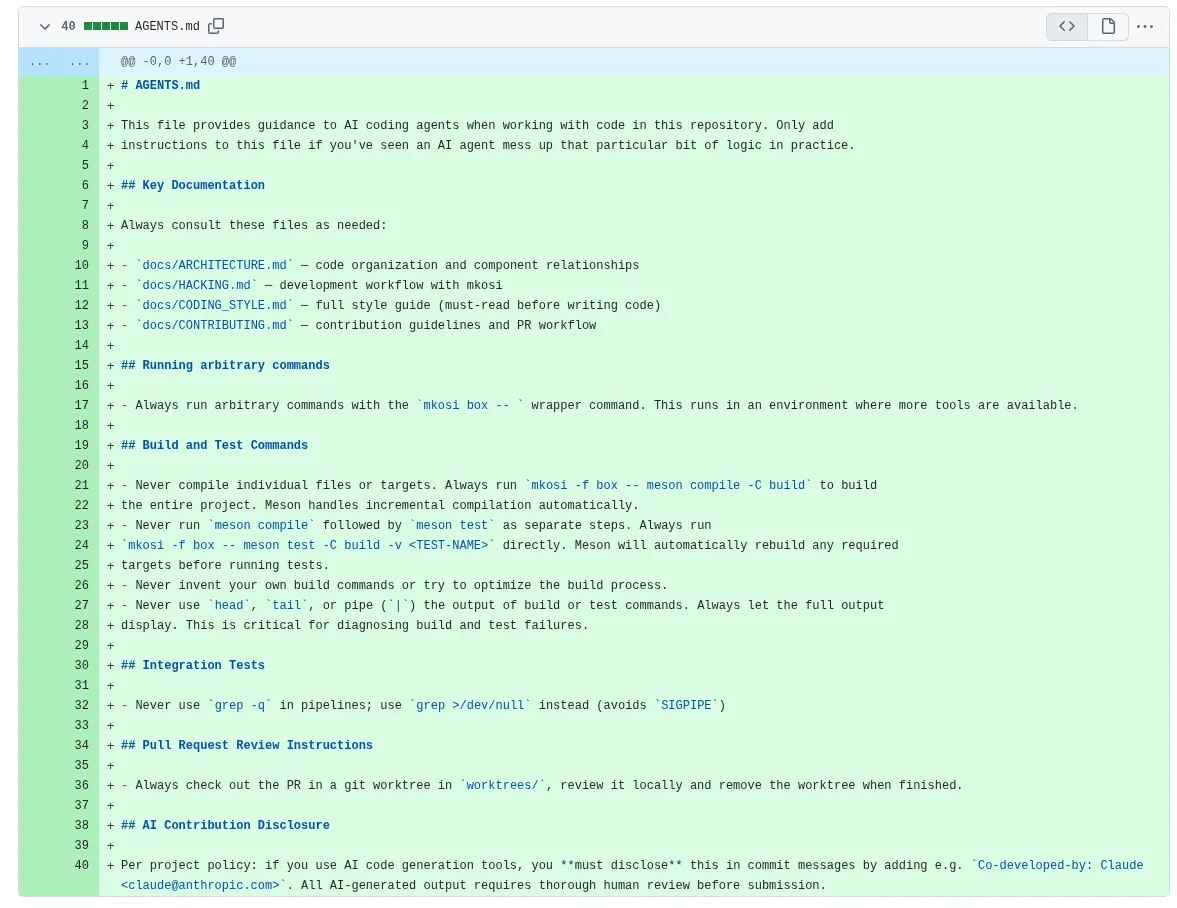
The standout feature of systemd 260-rc3 is the introduction of AGENTS.md and CLAUD.md files. These documents guide AI coding agents on systemd’s architecture, development workflows, and contribution guidelines. By clarifying how AI tools should interact with systemd code, the project reduces friction for developers using AI to automate tasks or review pull requests.
How AI Agents Documentation Enhances Development
The AGENTS.md file serves as a roadmap for AI agents, covering:
- Systemd’s modular architecture and key components
- Best practices for code reviews and testing
- Contribution workflows, including required AI disclosure tags
Meanwhile, the CLAUD.md file specifically supports Claude Code, an AI assistant for code analysis. A new claude-review.yml configuration file further automates pull request reviews, ensuring consistency between human and AI contributions.
Why This Matters for Developers
Systemd’s move toward AI integration reflects a broader trend in open-source development. By providing clear documentation for AI agents, the project empowers developers to:
- Automate repetitive tasks like code formatting and testing
- Reduce human error in complex workflows
- Collaborate more effectively with AI tools trained on systemd-specific knowledge
For example, the AGENTS.md file explicitly states that AI-generated contributions must include the “Co-developed-by” tag. This transparency fosters trust in the development process while maintaining systemd’s high standards for code quality.
Getting Started with Systemd 260-rc3
To explore these updates, visit the systemd GitHub repository. The 260-rc3 release notes detail all changes, including:
- Full bug fix list for recent release candidates
- Instructions for integrating AI agents with systemd workflows
- Configuration examples for claude-review.yml
Developers using AI tools like Claude Code can start by reviewing the CLAUD.md file to optimize their setup. Early adopters report a 20% reduction in review time for pull requests using these AI-optimized workflows.
Conclusion
Systemd 260-rc3 demonstrates how open-source projects can adapt to AI-driven development without compromising stability. By providing clear documentation for AI agents, the systemd team is setting a precedent for future collaboration between humans and machine learning tools. Whether you’re managing Linux systems or contributing to open-source projects, these updates offer tangible benefits for efficiency and code quality.
Ready to test systemd 260-rc3? Dive into the GitHub repository today and explore the new AI integration features. Your feedback will help shape the final systemd 260 release!