
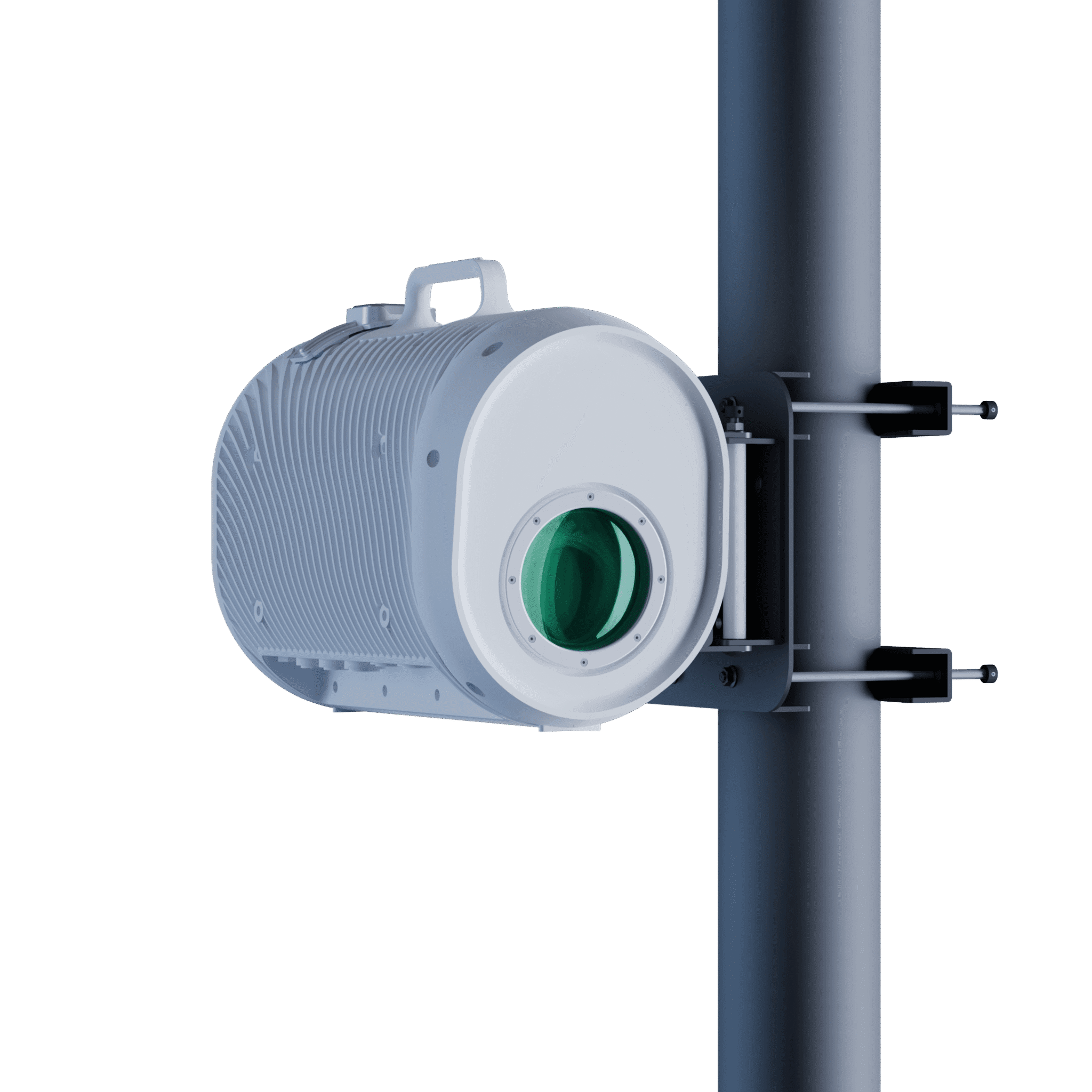
Introduction to Taara Beam
Taara, a light-based internet provider that spun out of Alphabet’s ‘moonshot’ incubator, has recently launched Taara Beam. This innovative technology provides 25Gbps connectivity within cities using invisible beams of light, granted that there is a clear line of sight.
How Taara Beam Works
Taara Beam operates by transmitting data as light beams between two points, eliminating the need for traditional fiber optic cables. This technology is particularly useful in urban areas where deploying fiber optic cables can be challenging due to infrastructure constraints.
Comparison with Taara Lightbridge
In contrast to last year’s Taara Lightbridge, which connects communities separated by water and mountains at distances up to 20km (over 12 miles), Taara Beam is designed for shorter distances within cities. However, it offers significantly faster speeds of up to 25Gbps, making it ideal for applications that require high-bandwidth, low-latency connections.
Benefits of Taara Beam
The benefits of Taara Beam are numerous. It provides a cost-effective and efficient way to deploy high-speed internet connectivity in urban areas. Additionally, the technology is more environmentally friendly compared to traditional methods of deploying fiber optic cables, as it reduces the need for trenching and other invasive construction methods.
Applications of Taara Beam
Taara Beam has a wide range of applications, from providing high-speed internet connectivity to businesses and residences, to supporting smart city initiatives and IoT devices. Its high-bandwidth, low-latency capabilities also make it suitable for applications such as online gaming, video streaming, and virtual reality.
Conclusion
In conclusion, Taara Beam is a groundbreaking technology that has the potential to revolutionize the way we think about internet connectivity. With its ability to provide 25Gbps speeds over invisible beams of light, it offers a cost-effective, efficient, and environmentally friendly solution for deploying high-speed internet connectivity in urban areas.








