Taiwan Military Tests Urban Drone Warfare Tactics
Warfare is evolving, and Taiwan’s armed forces are leading the charge in adapting to modern threats. On March 10, 2026, the Army’s 58th Artillery Command UAV battalion conducted a groundbreaking exercise using first-person-view (FPV) attack drones in a simulated urban battlefield. This training highlights Taiwan’s commitment to mastering asymmetric warfare through advanced drone technology.
Urban Warfare Training with FPV Drones
The March 10 exercise combined reconnaissance drones and FPV attack drones to simulate real-world urban combat scenarios. Soldiers practiced precision strikes, bomb-dropping attacks, and rapid target acquisition in a mock city environment. This immersive training aims to prepare troops for complex urban operations where traditional tactics fall short.
Reconnaissance and Precision Strikes
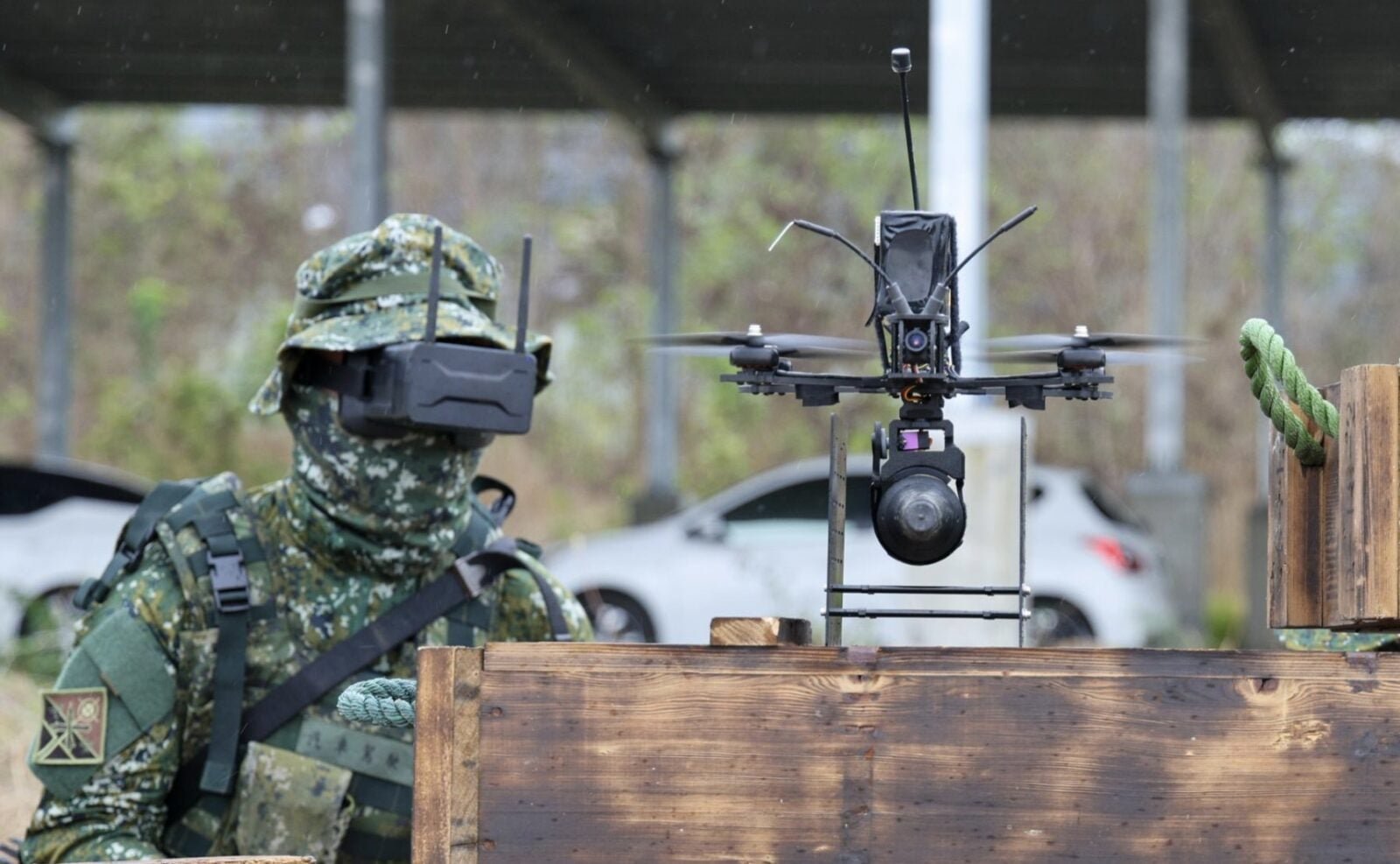
The exercise began with reconnaissance drones scanning the training area for simulated enemy positions. These drones provided critical intelligence, mapping out enemy locations and equipment. Once targets were identified, FPV operators used goggles to control attack drones, maneuvering through narrow streets and buildings to deliver precise strikes.
FPV Drone Operators in Action
Operators wore FPV goggles to experience real-time video feeds from the drones. This hands-on approach allowed them to navigate obstacles and execute collision strikes or bomb-dropping attacks. The training emphasized speed and adaptability, key traits for urban warfare where visibility is limited and threats are unpredictable.
Tactical Team Structure and Coordination
Each training team consisted of five personnel: a squad leader, deputy, a reconnaissance operator, and two FPV drone pilots. This structure ensured seamless communication and rapid decision-making. Reconnaissance drones provided initial data, while attack drones executed follow-up strikes based on real-time intelligence.
Collaborative Combat Workflow
- Reconnaissance drones conducted fan-shaped searches to locate targets.
- Operators relayed findings to command for strategic planning.
- FPV teams launched precision attacks after receiving target confirmation.
Security and Mobility
Teams maintained armed security during the exercise, quickly relocating to launch positions when new threats emerged. This dynamic approach mirrored real-world urban combat, where forces must balance offensive and defensive roles simultaneously.
Strategic Implications for Asymmetric Defense
Taiwan’s focus on drone warfare reflects its asymmetric strategy to counter larger adversaries. By leveraging small, agile drones, the military can disrupt enemy operations without relying on massed forces. This approach aligns with global trends in modern warfare, where unmanned systems play a growing role in reconnaissance and strike missions.
Global Context and Future Trends
Other nations, including Iran and the United States, are also advancing drone technology. For example, Iran recently fielded upgraded Shahed-101 kamikaze drones, while the UAE intercepted a swarm of Iranian strike drones. These developments underscore the importance of drone capabilities in contemporary conflicts.
Investing in Unmanned Systems
Taiwan’s military has prioritized unmanned systems to enhance its defense posture. FPV drones offer cost-effective solutions for urban environments, where traditional artillery and tanks face limitations. By integrating these tools into training, Taiwan aims to maintain a technological edge in the region.
Conclusion: Shaping the Future of Warfare
Taiwan’s March 2026 exercise demonstrates the military’s commitment to innovation. As urban warfare becomes more complex, FPV drones will likely play a central role in future conflicts. By refining tactics and training, Taiwan is positioning itself to meet emerging security challenges head-on.
Stay informed about defense advancements. Subscribe to our weekly newsletter for updates on military technology and global security trends.