Tecno’s Modular Phone Concept: A New Era for Customizable Tech?
Modular Phones Are Back — This Time, With a Slim Twist
Modular phones have long been a tantalizing promise in tech. From Google’s Project Ara to Motorola’s Moto Mods, the idea of swapping out phone components like LEGO bricks has captured imaginations. But complexity, cost, and lack of ecosystem support have repeatedly derailed these efforts. Now, Tecno is trying a fresh approach with a surprisingly slim modular phone that could redefine the category.
The company recently teased a concept device just 4.5mm thick — thinner than the iPhone Air’s 5.6mm. Instead of forcing users to carry a bulky base unit with all components, Tecno’s design starts with a minimalist phone and lets users snap on modules only when needed. This could solve a key problem: portability.
Why Modular Phones Failed Before
The Project Ara Lesson
Google’s Project Ara aimed to let users swap out camera sensors, batteries, and processors. But the design required a heavy base unit, and the modular system added complexity. When the project was canceled in 2016, critics pointed to the lack of a sustainable ecosystem and high costs.
Motorola and LG’s Struggles
Motorola’s Moto Mods and LG’s Project Luna both faced similar hurdles. While Moto Mods offered magnetic attachments for speakers and cameras, they never gained widespread adoption. LG’s modular phone concept was canceled entirely, citing technical challenges.
What Tecno Is Doing Differently
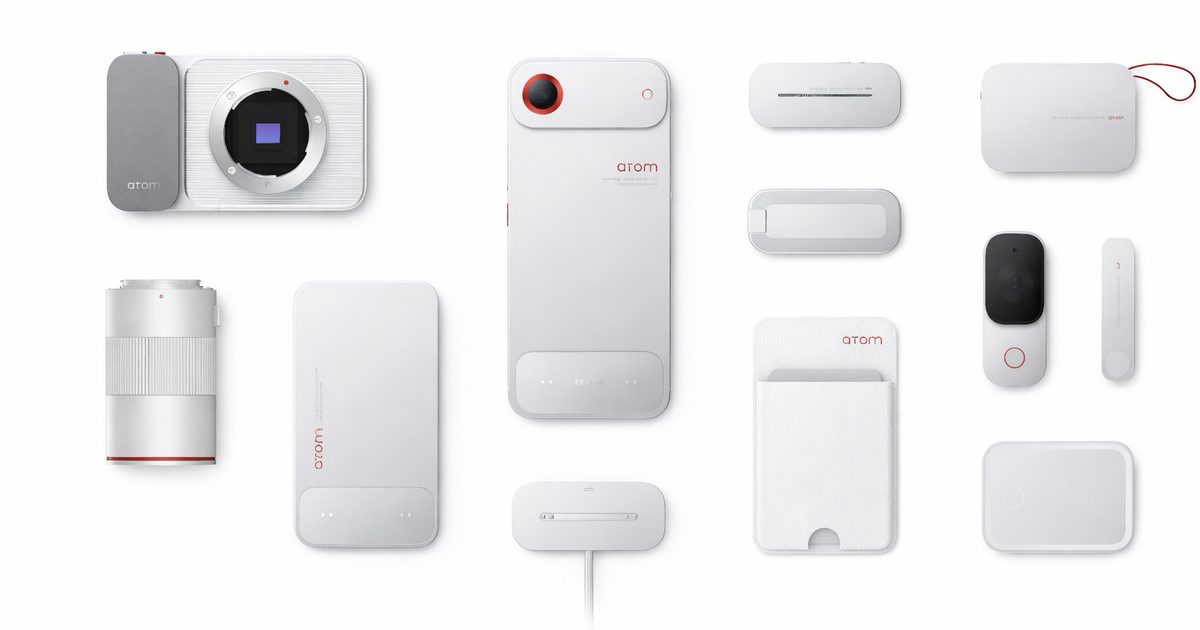
Tecno’s approach blends the best of past concepts. The ultra-slim base phone acts as a “canvas” for add-ons, while magnetic modules handle power and data transfer via pogo pins. This system allows for:
- Camera upgrades for photography enthusiasts
- Battery boosters for extended use
- AI modules for future-proofing
- Off-grid communication for remote areas
The magnetic attachment system uses a grid layout for instant, secure connections. Tecno claims this design avoids the clunky aesthetics of previous modular phones.
Can Tecno Avoid the Modular Phone Trap?
The Ecosystem Challenge
The biggest risk for modular phones is sustainability. Accessories must work across multiple phone generations. Tecno’s 4.5mm base phone raises questions: Will future modules remain compatible? Will developers create enough apps to justify the ecosystem?
Technical Hurdles
Ultra-slim designs often sacrifice battery life. Tecno’s solution — a 4.5mm external battery module — is clever but untested at scale. Users may balk at carrying multiple modules for different tasks.
Market Readiness
Tecno isn’t the first to experiment with bold concepts. The company recently launched a trifold phone and AI glasses, showing a willingness to innovate. However, modular phones require a cultural shift. Will consumers embrace the idea of swapping modules instead of buying new phones?
What’s Next for Tecno’s Modular Vision?
Tecno hasn’t announced a release date, but the concept hints at a broader strategy. If successful, the company could:
- Partner with third-party developers for new module categories
- Expand into emerging markets where modular upgrades offset high phone costs
- Integrate AI modules for personalized user experiences
The key will be balancing innovation with practicality. Tecno’s slim design is a strong start, but long-term success depends on solving the ecosystem puzzle.
Final Thoughts: A Glimmer of Hope for Modular Tech?
Tecno’s modular phone concept is a bold step forward. By learning from past failures and focusing on portability, the company might finally crack the code. While challenges remain, this approach could inspire a new wave of customizable devices.
Ready to see modular phones evolve? Follow Tecno’s updates and share your thoughts in the comments. What features would you want in a modular phone?
FAQs
What makes Tecno’s modular phone different from past attempts?
Tecno’s design prioritizes portability with an ultra-slim base phone and magnetic modules. Unlike Google’s Project Ara, it avoids a bulky base unit and focuses on practical, snap-on upgrades.
How does Tecno’s modular system work?
Modules attach via a magnetic grid with pogo pins for power and data transfer. This allows instant, secure connections without compromising the phone’s slim profile.
Will Tecno’s modules work with future phone models?
Tecno hasn’t confirmed long-term compatibility, but a standardized attachment system could help maintain ecosystem support across generations.
What are the biggest risks for Tecno’s modular phone?
The main risks include ecosystem sustainability, technical limitations of ultra-slim designs, and consumer adoption. Accessories must remain relevant across multiple phone iterations.
Can modular phones compete with traditional smartphones?
Modular phones may appeal to niche markets (e.g., photographers, travelers) but face challenges in mass adoption. Success depends on solving cost, compatibility, and usability issues.