Why Telstra is Embracing Apache Flink
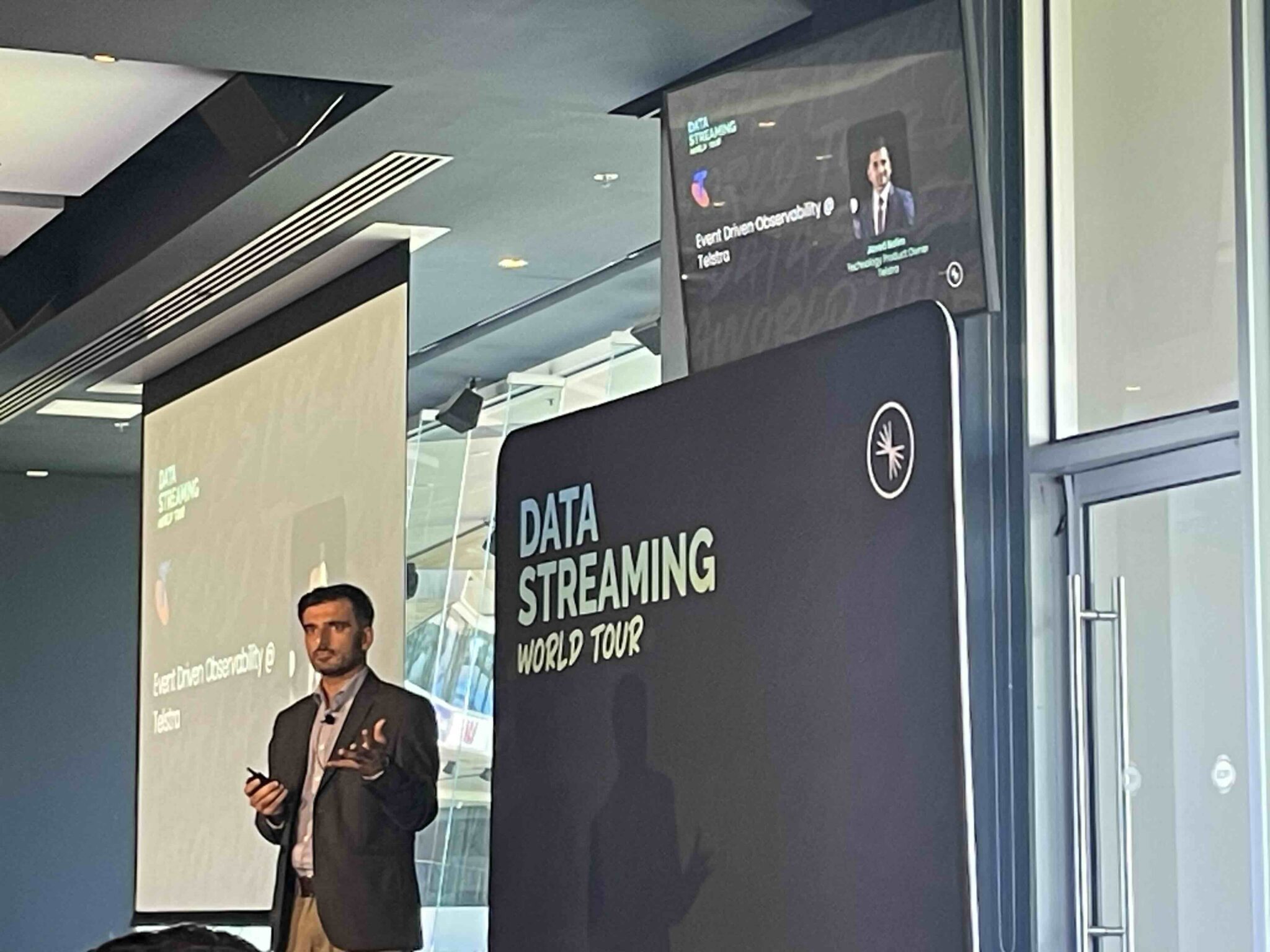
Telstra is set to expand its event streaming capabilities by integrating Apache Flink into its existing Kafka-based platform. This move, announced at the Data Streaming World Tour in Melbourne, aims to boost network observability and improve customer service outcomes. The telco’s technology product owner, Javed Bolim, highlighted that Flink’s in-memory processing speed will complement Confluent’s Kafka infrastructure, enabling faster data analysis and real-time decision-making.
Building on a Kafka Foundation
Telstra’s event streaming platform, powered by Kafka, has been operational for three to four years. It collects data from network infrastructure and devices, streaming it to a central database for fault detection, service development, and performance monitoring. By pairing Kafka with Flink, Telstra can now process this data more efficiently, reducing downtime and improving service recovery times.
Key Benefits of Flink Integration
- Real-time processing: Flink’s low-latency capabilities allow Telstra to analyze network events as they occur.
- Scalability: The combination of Kafka and Flink supports high-volume data streams without compromising performance.
- Customer transparency: Enhanced data insights help verify performance-based service add-ons, ensuring customers receive the value they pay for.
How Flink Enhances Network Observability
Telstra’s event-based observability system tracks “any meaningful change” in its networks. This includes detecting faults early and minimizing mean-time-to-recover (MTTR) for services. Bolim emphasized that the integration will help address issues within minutes, not hours, by processing data streams at in-memory speeds.
Driving Product Innovation
Streaming data also fuels Telstra’s product development. By analyzing trends in network usage, the telco can create tailored offerings for enterprise, retail, and consumer customers. For example, performance-based add-ons are now backed by proof-of-value metrics, ensuring service levels meet customer expectations.
The Role of Flink in Telstra’s AI Strategy
Bolim noted that high-quality, real-time data is the foundation of Telstra’s AI and analytics initiatives. Flink’s integration ensures data is “highly available and reliable,” enabling better decisions for network optimization and customer service. This aligns with broader industry trends where AI-driven insights depend on robust data infrastructure.
Conclusion: A Strategic Move for the Future
Telstra’s adoption of Apache Flink marks a significant step in modernizing its event streaming capabilities. By combining Kafka’s event streaming with Flink’s processing power, the telco is positioning itself to deliver faster, more reliable services. For businesses looking to enhance their data strategies, Telstra’s approach offers a blueprint for leveraging open-source technologies to drive innovation.
Ready to explore how event streaming can transform your operations? Start by evaluating your data infrastructure and identifying use cases for real-time analytics.