
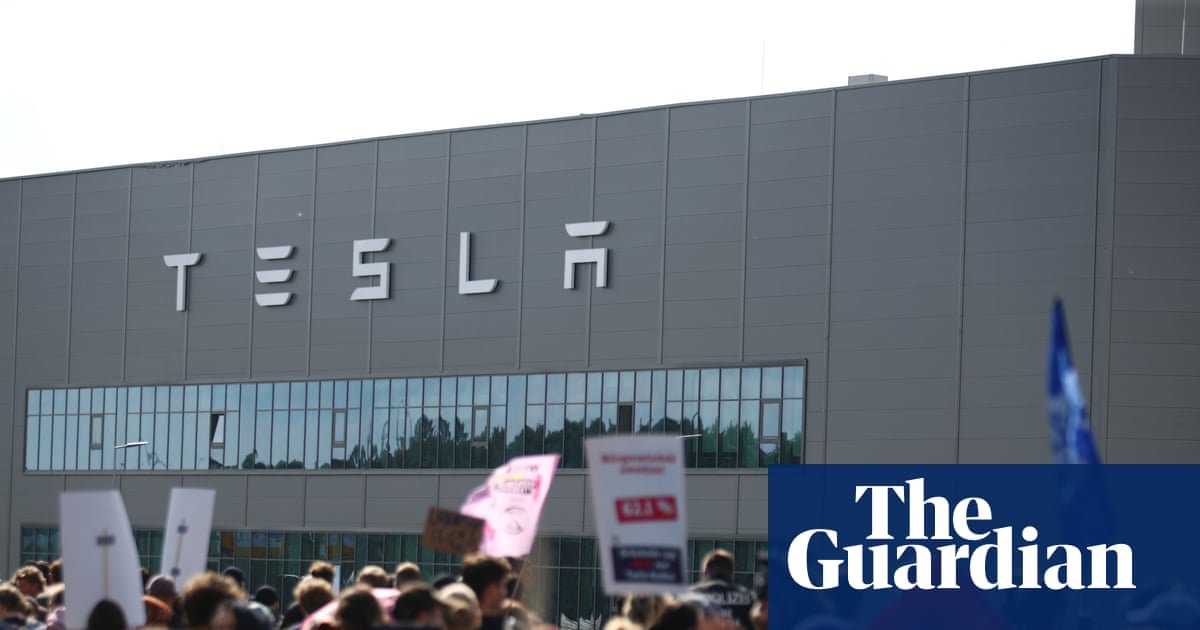
Tesla Union Dispute Escalates in Germany
Elon Musk’s Tesla faces mounting pressure as Germany’s IG Metall union intensifies its battle for control of the works council at the Berlin gigafactory. The dispute, marked by lawsuits and mutual accusations, highlights deepening tensions between Tesla’s management style and Germany’s labor traditions.
Works Councils: A German Labor Staple
Works councils in Germany serve as critical bridges between employees and management, negotiating wages, working hours, and workplace conditions. At Tesla’s Grünheide plant, which employs 10,000 workers, the council has become a flashpoint in a broader clash between Tesla’s “turbo-capitalist” approach and Germany’s social market economy model.
Key Issues in the Tesla Union Dispute
- Union Goals: IG Metall seeks to secure 19 of 37 works council seats to establish majority control.
- Management Claims: Tesla argues the union prioritizes membership growth over worker welfare and denies allegations of poor conditions.
- Legal Battles: Recent accusations of illegally recording council meetings have led to lawsuits on both sides.
Elon Musk vs. IG Metall: A Clash of Visions
Elon Musk has framed the dispute as a threat to Tesla’s European investment plans, while IG Metall portrays it as a fight for workers’ rights. The union accuses Musk of attempting to “bust the union,” citing inadequate wages and job cuts for alleged underperformance. Tesla counters that its pay exceeds industry averages and that unionization efforts are misaligned with worker interests.
Government Mediation and Industry Implications
The Brandenburg state government has urged both sides to resolve the conflict independently, though it supports collective bargaining agreements. Labor experts note Tesla’s confrontational stance has drawn public criticism in Germany, where Musk’s ties to far-right politics have already fueled consumer backlash.
What’s at Stake for Tesla?
The outcome could shape Tesla’s future in Europe, where competition from cheaper Chinese EVs is eroding market share. A loss of worker trust or prolonged legal battles might delay expansion plans. Meanwhile, the dispute underscores broader challenges for foreign automakers adapting to Germany’s labor norms.
Conclusion: A Defining Moment for Labor Rights
The Tesla union dispute in Germany is more than a corporate conflict—it’s a test of how global tech giants navigate traditional labor systems. As voting concludes, the world watches to see whether worker representation will prevail or if Tesla’s model will reshape European labor dynamics.
FAQs
What is the Tesla union dispute about?
The dispute centers on IG Metall’s attempt to gain control of Tesla’s works council in Germany, with both sides accusing each other of legal and ethical violations.
Why is the works council important?
Works councils in Germany negotiate workplace conditions and ensure employee representation, making them vital to labor rights and corporate governance.
How has Elon Musk responded to the union?
Musk has accused the union of threatening economic growth and investment, while IG Metall claims he seeks to undermine worker protections.
What are the legal issues in the dispute?
Both Tesla and IG Metall have filed lawsuits over alleged misconduct, including accusations of illegally recording council meetings.
What could happen next?
If IG Metall secures a majority, it may push for binding collective agreements. A Tesla victory could reinforce its anti-union stance but risk further labor unrest.








