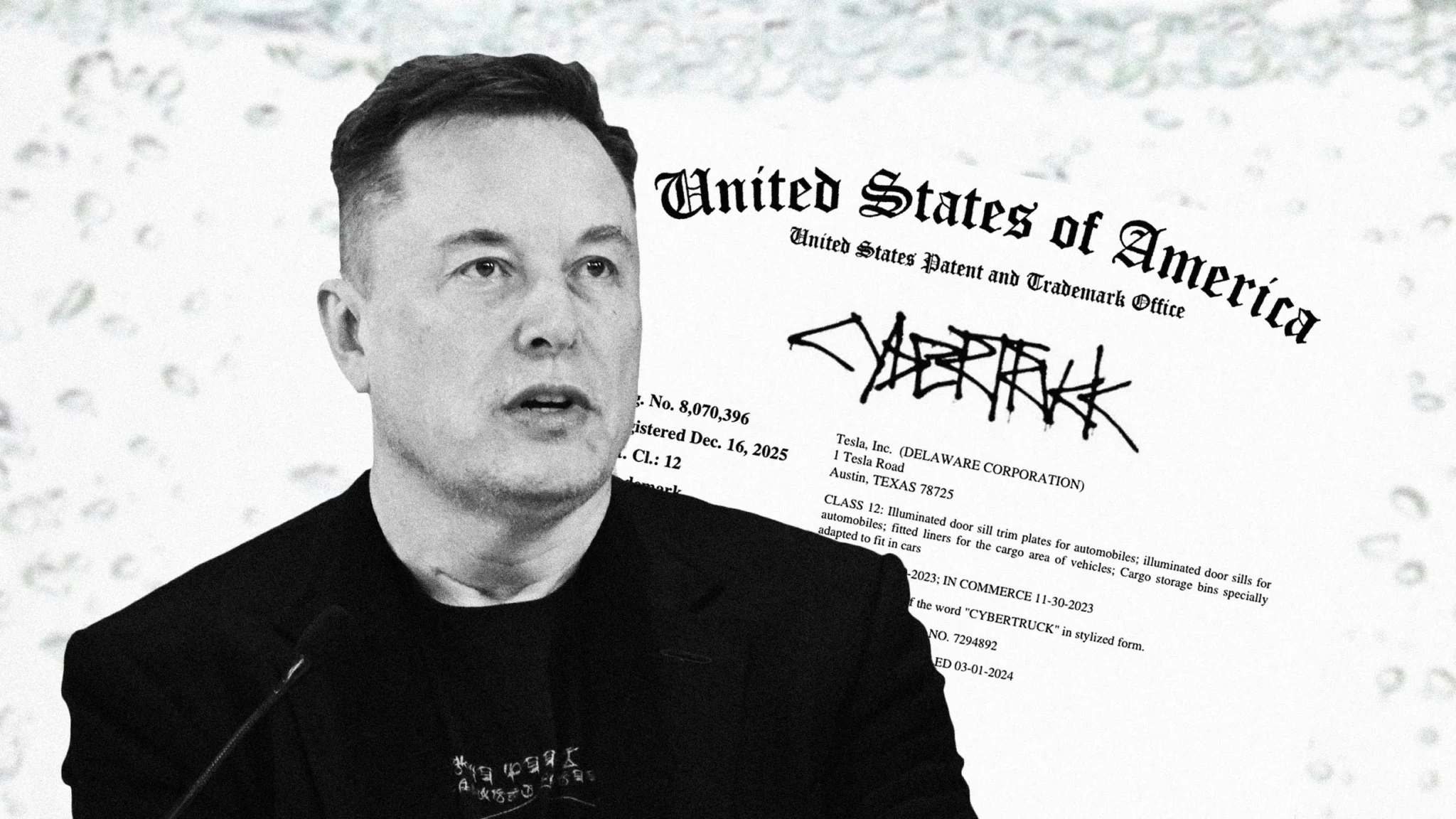
Tesla’s Cybercab Trademark Battle: A Legal Roadblock for Autonomous Vehicles
Elon Musk’s vision for a driverless future faces an unexpected hurdle. Tesla’s plan to launch its autonomous robotaxi service under the name “Cybercab” is now entangled in a trademark dispute with a French beverage wholesaler. This clash highlights the complexities of intellectual property law in the race to dominate the autonomous vehicle market.
The Cybercab Trademark Conflict
UniBev, a small French company based in Ajaccio, has already secured trademark rights for “Cybercab” in the U.S. and internationally. Tesla filed a 167-page complaint with the U.S. Patent and Trademark Office, calling UniBev a “bad faith trademark squatter.” The French company’s co-owner, Jean-Louis Lentali, filed the trademark just days after Tesla publicly announced the name during an April 2024 earnings call.
Key Players in the Dispute
- Tesla: Seeking to trademark “Cybercab” for its autonomous vehicle service
- UniBev: Holds existing trademark rights for the name
- International Law: Prioritizes first-filer, not first-user
Timeline of Events
- April 2024: Tesla announces Cybercab during earnings call
- April 29, 2024: UniBev files trademark application
- October 2024: Tesla submits its own trademark request
- April 2025: Tesla files legal complaint against UniBev
Legal Implications and Strategic Moves
The dispute could delay Tesla’s Cybercab launch until 2027 if the case goes to trial. Meanwhile, Tesla has filed trademarks for alternative names like “Cybercar” and “Cybervehicle” to bypass regulations tied to the word “cab.” This legal maneuvering underscores the high stakes in the autonomous vehicle industry.
UniBev’s Unlikely Legal Advantage
Under international trademark law, the first entity to file for a trademark gains priority. UniBev’s strategic timing—filing just days after Tesla’s public announcement—gives it a legal edge. Tesla’s failure to secure the trademark immediately after revealing the name created this vulnerability.
Tesla’s Broader Trademark Strategy
The complaint reveals UniBev’s history of registering trademarks related to Tesla, including “Cyber Diner” and “XCab.” This pattern suggests a deliberate attempt to capitalize on Tesla’s brand equity. Tesla’s legal team argues this constitutes trademark squatting, but proving bad faith in court remains a challenge.
What This Means for the Future of Autonomous Vehicles
The outcome of this dispute will set a precedent for how companies protect intellectual property in emerging tech sectors. For Tesla, the delay could disrupt its aggressive timeline to launch Cybercabs by year-end 2024. The company’s reliance on alternative trademarks also raises questions about brand consistency and consumer recognition.
Lessons for Tech Companies
- Secure trademarks immediately after public announcements
- Monitor potential squatters in international markets
- Develop contingency branding strategies
Conclusion: A Legal Crossroads for Tesla
The Cybercab trademark battle illustrates the delicate balance between innovation and legal preparedness. As Tesla navigates this dispute, the autonomous vehicle industry watches closely. Will the company prevail in its legal challenge, or will this French wholesaler reshape the future of driverless transportation? Stay tuned for updates on this developing story.