
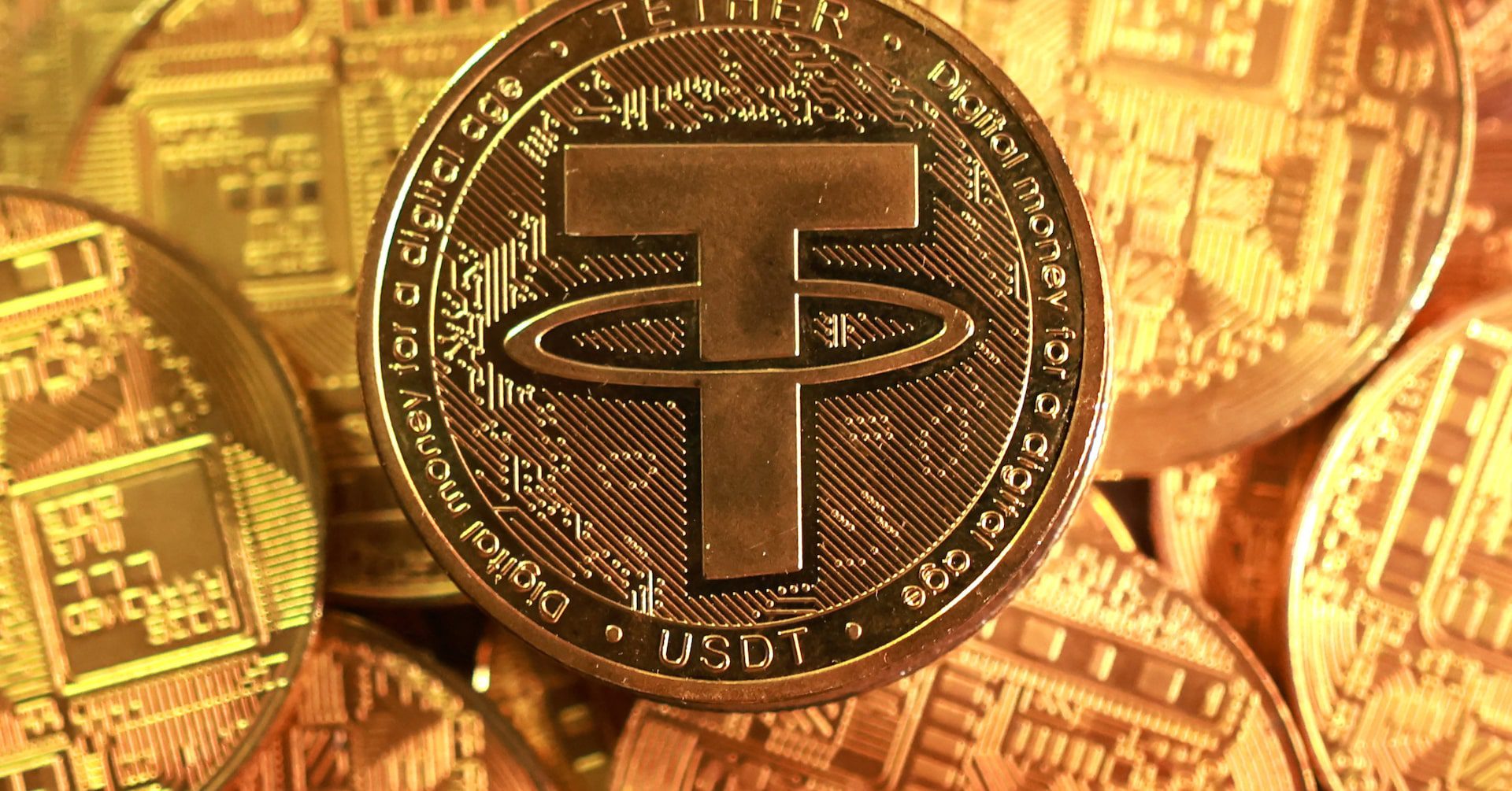
Tether Freezes $4.2B in Crypto Tokens Linked to Illicit Activity
Tether, the company behind the world’s largest stablecoin, has revealed it has frozen $4.2 billion in USDT tokens tied to illicit activities. This includes $3.5 billion frozen since 2023 and $61 million directly linked to pig-butchering scams—a disturbing trend in crypto fraud. The disclosure, reported by Reuters, underscores growing regulatory scrutiny of stablecoins and their role in financial crime.
Breaking Down Tether’s Freezes
The $4.2 billion figure represents a significant portion of Tether’s total reserves. Here’s how the freezes break down:
- $3.5 billion frozen since 2023
- $61 million tied to pig-butchering scams
- $700 million linked to other illicit activities
Pig-butchering scams, a form of romance fraud, involve scammers building trust with victims before exploiting them for cryptocurrency. Tether’s report highlights the scale of these operations, which often target vulnerable individuals through social media platforms.
Why This Matters for Crypto Compliance
Regulatory Pressure on Stablecoins
Tether’s actions align with global efforts to tighten crypto compliance. Regulators are increasingly demanding transparency from stablecoin issuers, who hold billions in fiat reserves. By freezing tokens linked to fraud, Tether aims to demonstrate its commitment to compliance and reduce its liability in legal disputes.
Impact on the Crypto Ecosystem
This move could reshape how stablecoins are perceived. While Tether claims its freezes are proactive, critics argue the company’s lack of transparency in reserves remains a concern. The freezes also highlight the challenges of tracking illicit activity in decentralized systems, where anonymity often fuels criminal behavior.
What’s Next for Tether?
Tether has not disclosed how it identifies illicit transactions. However, the company likely uses blockchain analytics tools to flag suspicious activity. Moving forward, expect increased collaboration between stablecoin issuers and regulators to combat fraud. This could include:
- Stricter KYC (Know Your Customer) requirements
- Real-time transaction monitoring
- Partnerships with law enforcement agencies
Conclusion: A Step Toward Safer Crypto?
Tether’s decision to freeze $4.2 billion in tokens is a bold move in the fight against crypto crime. While it addresses immediate risks, the broader crypto industry must adopt systemic solutions to prevent fraud. Users should remain vigilant and prioritize platforms with robust compliance measures.
Call to Action: Have questions about Tether’s role in crypto compliance? Share your thoughts in the comments below!
FAQs
What is Tether’s role in freezing crypto tokens linked to illicit activity?
Tether freezes tokens tied to fraud to comply with regulations and reduce liability. This includes $61 million linked to pig-butchering scams.
How do pig-butchering scams work?
Pig-butchering scams involve scammers building trust with victims before exploiting them for cryptocurrency. The term refers to the “butchering” of victims after they’ve been “farmed.”
Why is Tether under regulatory scrutiny?
Tether faces scrutiny over its reserves and transparency. Freezing tokens linked to fraud is one way the company addresses compliance concerns.
Can frozen tokens be unfrozen?
Tether does not specify whether frozen tokens can be unfrozen. The process likely depends on legal investigations and regulatory guidance.
How can users protect themselves from crypto fraud?
Use platforms with strong compliance measures, avoid sharing personal information online, and report suspicious activity to authorities.








