Thales STORM 2: Lightweight Counter-Drone Tech for Modern Warfare
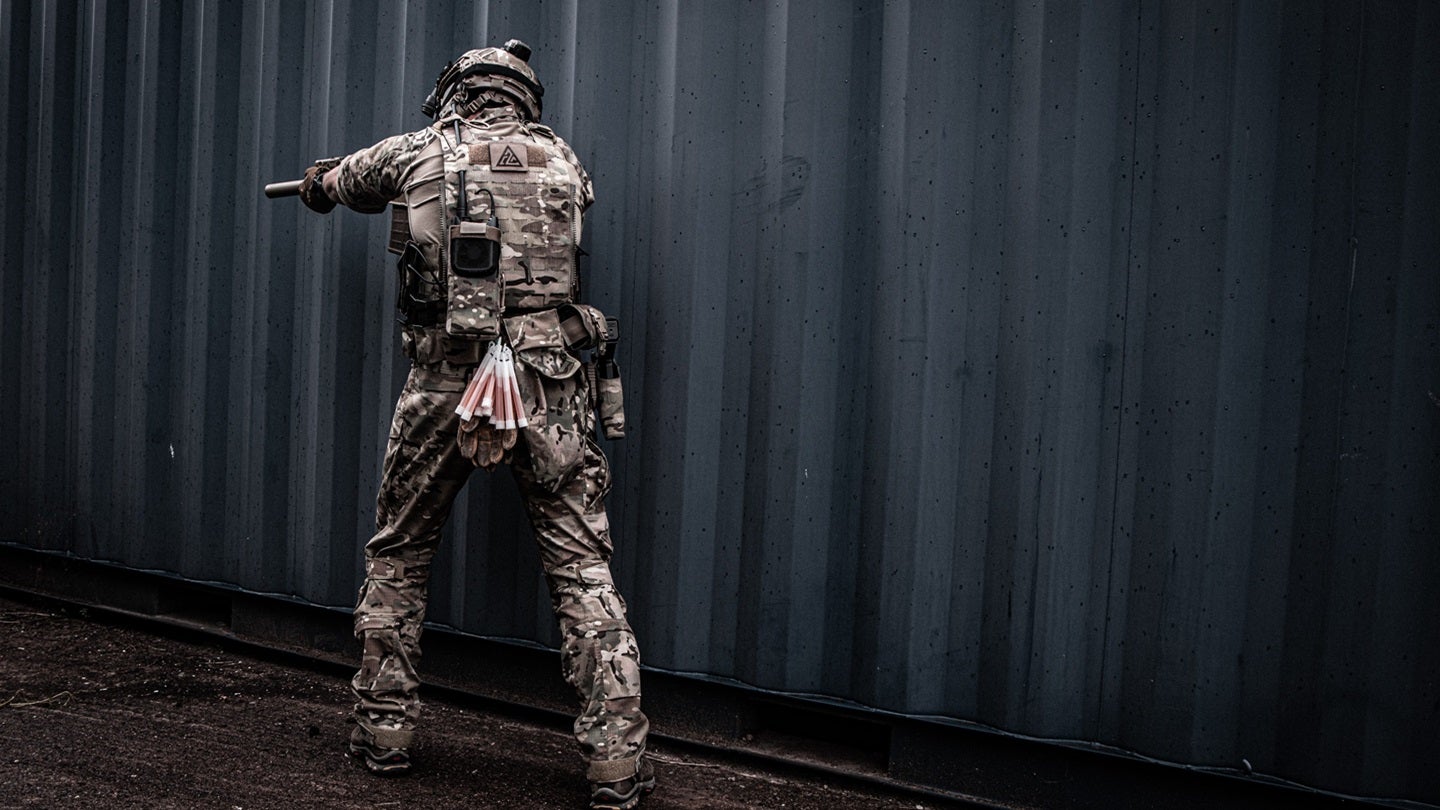
As drone threats evolve, military forces need agile, adaptable solutions to neutralize uncrewed aerial systems (UAS). Thales has answered this challenge with its latest innovation: STORM 2, a compact cyber-electromagnetic activities (CEMA) node designed to protect soldiers from radio-controlled drones. Weighing under two kilograms, this portable system offers a powerful yet lightweight defense against a rapidly expanding array of UAS threats.
What Makes Thales STORM 2 Unique?
STORM 2 operates across a broad frequency range (20 MHz to 6 GHz), enabling it to counter diverse UAS control links. Its software-defined architecture allows rapid reconfiguration for various missions, from jamming to spectrum analysis. This adaptability ensures soldiers can respond to emerging threats in real time, whether in urban environments or open battlefields.
Key Features of STORM 2
- Lightweight Design: Under 2 kg for easy portability
- 10-Watt Power Output: Effective jamming capabilities
- Software-Defined Radio: Supports future upgrades and third-party integrations
- Reactive Jamming: Targets only active threats to minimize collateral interference
How STORM 2 Enhances Battlefield Safety
Traditional electronic countermeasure (ECM) systems often struggle with weight, visibility, and mobility constraints. STORM 2 overcomes these limitations by providing a soldier-centric solution. Its reactive jamming technology focuses on active threats, reducing unnecessary signal disruption. This precision is critical in cluttered environments where buildings or terrain might block protective signals from larger systems.
Strategic Advantages
Thales developed STORM 2 with input from military partners, ensuring it meets real-world operational needs. The system integrates seamlessly with existing counter-UAS frameworks, offering a distributed layer of protection. By combining portability with high-performance capabilities, STORM 2 empowers dismounted troops to maintain operational freedom while countering fast-moving aerial threats.
Real-World Applications
From urban combat zones to remote outposts, STORM 2’s versatility makes it ideal for multiple scenarios. Its ability to adapt to new threats through software updates ensures long-term relevance. For example, the system initially addressed radio-controlled improvised explosive devices (RCIEDs) before evolving into a counter-UAS solution. This iterative development highlights Thales’ commitment to solving evolving battlefield challenges.
Why Soldiers Need STORM 2
Modern warfare demands agility and responsiveness. STORM 2’s compact size and rapid deployment capabilities give soldiers a tactical edge. By integrating third-party applications, the system can expand its functionality to include spectrum analysis and tactical sensing—features that enhance situational awareness and decision-making.
Conclusion: The Future of Counter-Drone Defense
Thales STORM 2 represents a paradigm shift in counter-UAS technology. Its lightweight design, software-defined flexibility, and soldier-centric approach address critical gaps in modern defense strategies. As drone threats continue to evolve, systems like STORM 2 will be essential for maintaining battlefield superiority. For military planners and defense professionals, understanding this technology is key to staying ahead of emerging risks.
Call to Action: Explore Thales’ full suite of counter-UAS solutions and learn how STORM 2 can enhance your force’s operational readiness. Discover more about cutting-edge defense technologies.
Frequently Asked Questions
- How does Thales STORM 2 compare to other counter-drone systems? STORM 2’s lightweight design and software-defined capabilities make it more adaptable than traditional ECM systems.
- Can STORM 2 be integrated with existing military equipment? Yes, its modular architecture supports third-party applications and techniques.
- What frequency range does STORM 2 cover? The system operates between 20 MHz and 6 GHz, targeting a wide array of UAS control links.
- How does reactive jamming improve battlefield safety? By focusing only on active threats, reactive jamming minimizes interference with friendly communications.
- What are the power output specifications? STORM 2 delivers up to 10 watts of power for effective jamming.