
The Unexpected Politics of AI
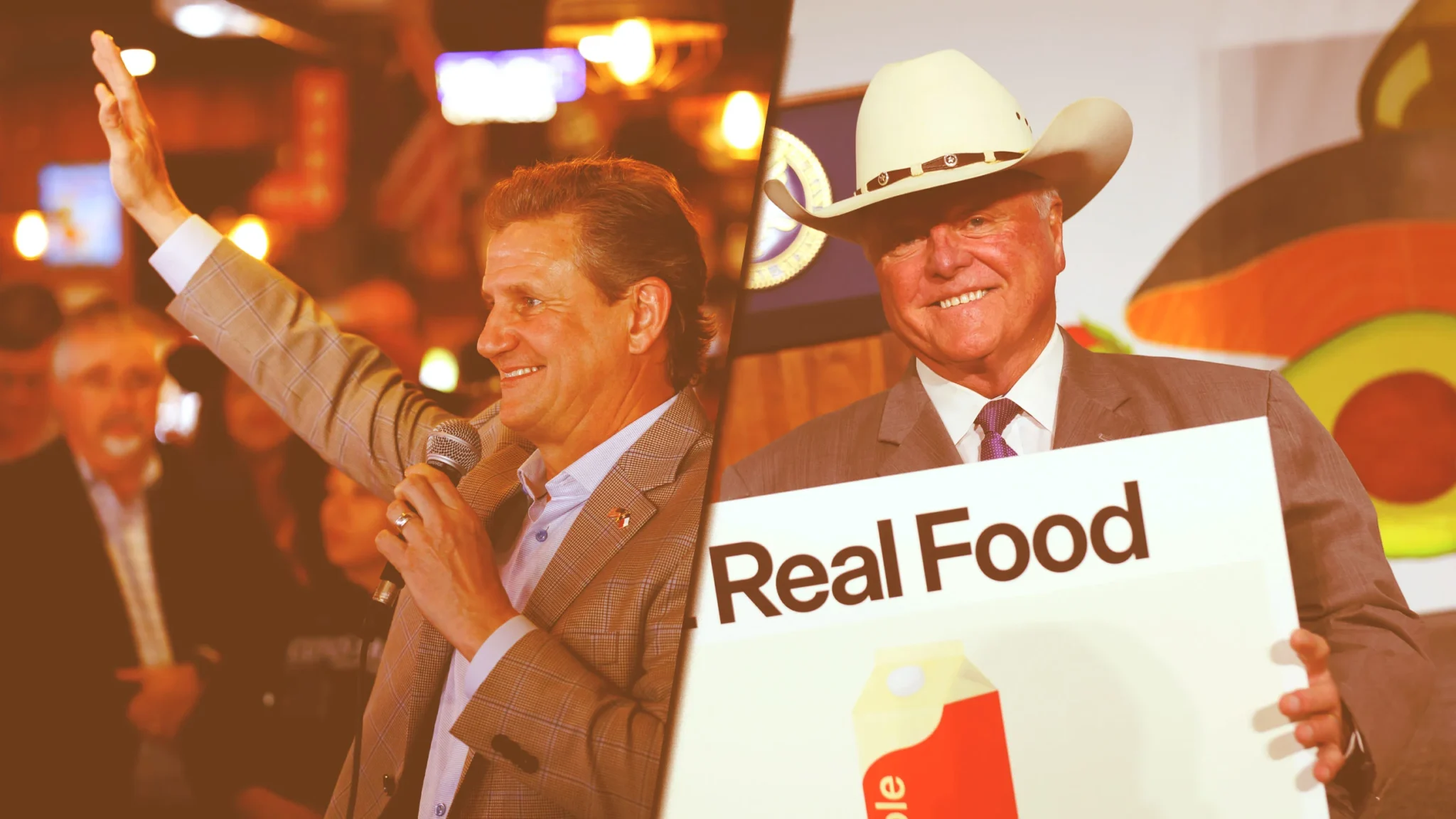
The intersection of AI and agriculture has become a contentious issue in rural America. Recently, the Republican primary in Texas saw the politics of AI play out in an unexpected way. Incumbent Sid Miller warned about the spread of data centers, arguing they threaten farmland and water supplies. However, his message was rejected by voters, who nominated businessman Nate Sheets instead.
Conflicting Interests
Data centers require large tracts of land, vast amounts of electricity, and significant water supplies. This makes rural counties attractive sites, but also sets up a conflict between AI infrastructure and traditional agriculture. Meanwhile, estimates suggest data centers consume roughly 25 billion gallons of water annually in Texas, with demand potentially rising to 161 billion gallons per year by 2030.
Additionally, a single large data center can consume up to 5 million gallons of water per day. Therefore, it’s no mystery why tech companies look to rural areas for AI infrastructure. Farmland offers large parcels of land, access to transmission lines, and distance from population centers.
For example, farmers worry about land prices, water consumption, and the industrialization of rural landscapes. As a result, Miller proposed creating ‘agriculture freedom zones’ to steer data center development away from farmland. However, his argument was unusual for a Republican official, especially when both parties frame AI as a national priority.
A New Era for Rural America
The result of the primary suggests that the economic momentum behind the AI boom may be stronger than appeals to protect farmland. Nevertheless, the issue is complex, with conflicting interests and priorities. Finally, as the demand for AI infrastructure continues to grow, it’s essential to find a balance between technological progress and rural preservation.








