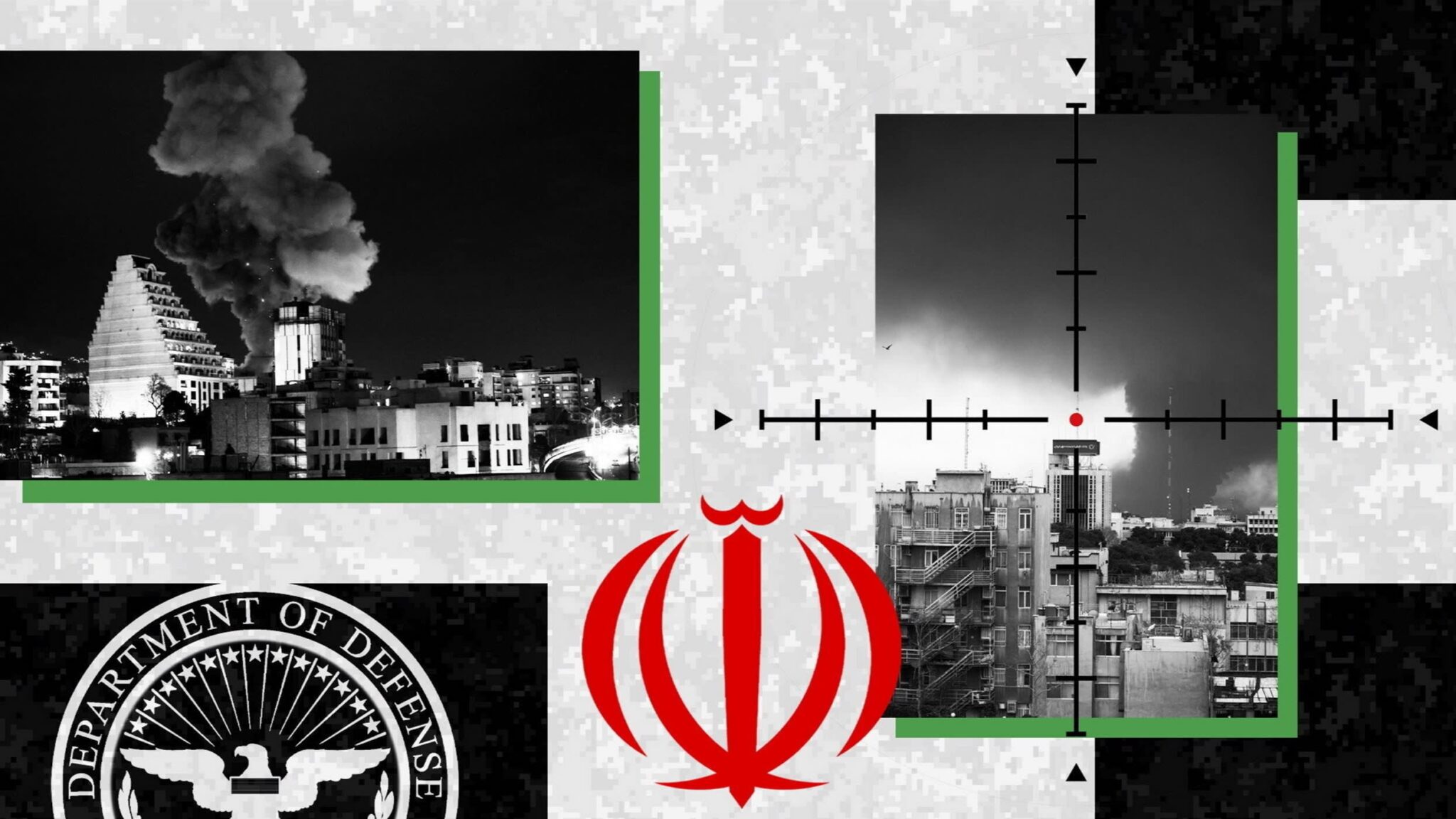
The AI-Driven Kill Chain: Transforming Modern Warfare
The integration of Artificial Intelligence (AI) in military operations is revolutionizing the way wars are fought. The AI-driven kill chain, a concept that has gained significant attention in recent years, is transforming the landscape of modern warfare. In this article, we will delve into the world of AI-driven warfare and explore its implications on the future of military conflicts.
What is the AI-Driven Kill Chain?
The AI-driven kill chain refers to the process of using AI systems to identify, track, and engage targets in real-time. This process involves the use of advanced sensors, drones, and other surveillance systems to gather intelligence on potential targets. The collected data is then analyzed by AI algorithms, which identify patterns and anomalies, allowing for swift and precise decision-making.
Key Components of the AI-Driven Kill Chain
The AI-driven kill chain consists of several key components, including:
- Sensor systems: These systems collect data on potential targets, including imagery, signals, and other forms of intelligence.
- AI algorithms: These algorithms analyze the collected data, identifying patterns and anomalies, and providing recommendations for action.
- Decision-making systems: These systems use the output from the AI algorithms to make decisions on whether to engage a target.
- Effectors: These systems carry out the decisions made by the decision-making systems, including launching missiles or other forms of attack.
Implications of the AI-Driven Kill Chain
The AI-driven kill chain has significant implications for the future of warfare. Some of the key implications include:
- Increased speed and precision: The AI-driven kill chain allows for rapid decision-making and precise engagement of targets, reducing the risk of collateral damage.
- Improved situational awareness: The use of advanced sensors and AI algorithms provides military commanders with a more complete understanding of the battlefield, allowing for more informed decision-making.
- Enhanced lethality: The AI-driven kill chain enables military forces to engage targets more effectively, increasing the lethality of their operations.
Challenges and Limitations
While the AI-driven kill chain offers significant advantages, it also poses several challenges and limitations. Some of the key challenges include:
- Data quality: The accuracy and reliability of the data used to train AI algorithms is critical to the effectiveness of the AI-driven kill chain.
- Cybersecurity: The use of AI systems in military operations creates new cybersecurity risks, including the potential for AI systems to be hacked or compromised.
- Ethical considerations: The use of AI in warfare raises significant ethical considerations, including the potential for autonomous systems to make life or death decisions without human oversight.
In conclusion, the AI-driven kill chain is transforming the landscape of modern warfare. While it offers significant advantages, including increased speed and precision, it also poses several challenges and limitations. As the use of AI in warfare continues to evolve, it is essential to address these challenges and ensure that the development and deployment of AI systems are aligned with ethical and legal considerations.
FAQs:
- What is the AI-driven kill chain? The AI-driven kill chain refers to the process of using AI systems to identify, track, and engage targets in real-time.
- What are the key components of the AI-driven kill chain? The key components include sensor systems, AI algorithms, decision-making systems, and effectors.
- What are the implications of the AI-driven kill chain? The implications include increased speed and precision, improved situational awareness, and enhanced lethality.
- What are the challenges and limitations of the AI-driven kill chain? The challenges and limitations include data quality, cybersecurity, and ethical considerations.
- How will the AI-driven kill chain change the future of warfare? The AI-driven kill chain will transform the landscape of modern warfare, enabling military forces to engage targets more effectively and with greater precision.