
<h2 Introduction to The Epstein Files Podcast
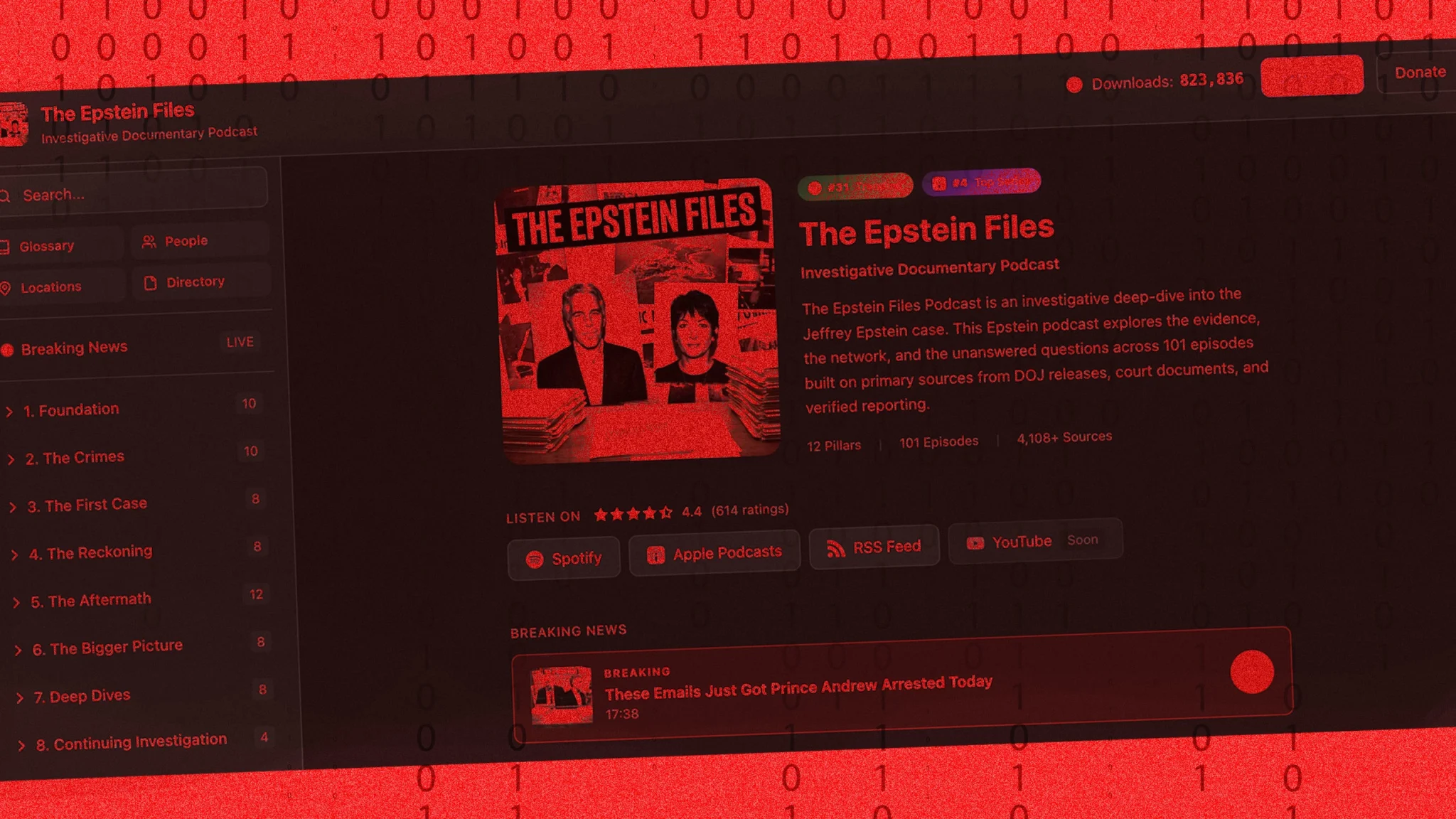
The Epstein Files, a podcast series, has taken the media world by storm, with over 700,000 downloads in a matter of days. This investigative documentary podcast, created by Adam Levy, an entrepreneur with no background in journalism, has notched up an impressive ranking on Apple Podcasts and Spotify.
However, what’s fascinating about this podcast is that it’s entirely generated by AI. Levy, who launched the podcast in early February, built an automated pipeline that ingests raw files, extracts text from emails and images, cross-references sources, and produces scripted podcast episodes narrated entirely by AI-generated voices.
<h2 The Technical Architecture Behind The Epstein Files
The technical architecture behind the project stitches together multiple large language models to connect names, places, themes, and timelines across the 3.5 million files that were released. Meanwhile, Levy supplements the raw dump with material from the Internet Archive and Google Pinpoint, a tool that other investigators have used to index portions of the files.
Additionally, Levy uses other bottoms-up projects like Jmail, which turns the Epstein Files emails into a navigable inbox like any other. Using and citing those sources was vital, Levy says, to counteract fears of hallucinations. Therefore, the podcast provides a unique and informative listening experience for its audience.
<h2 The Popularity of The Epstein Files Podcast
The podcast’s popularity can be attributed to its ability to provide listeners with a concise and factual account of the Epstein case. As Levy says, "People just want no bullshit. Strip the emotion, strip the bullshit, strip everything away—just tell me things for what they are and when you tell it to me, help me understand the facts."
However, some experts, like Emily Bell, founding director of the Tow Center for Digital Journalism at Columbia University, have raised concerns about the podcast’s over-reliance on AI. For example, Bell says, "Like Clawdbot or a lot of the current AI simulation exercises, it piques curiosity, then rapidly becomes tedious."
<h2 Conclusion and Future of Investigative Journalism
In conclusion, The Epstein Files podcast represents a new era in investigative journalism, one that leverages the power of AI to provide listeners with a unique and informative listening experience. While there are concerns about the podcast’s over-reliance on AI, it’s clear that this format has the potential to revolutionize the way we consume news and information.
Finally, as the media landscape continues to evolve, it’s likely that we’ll see more podcasts like The Epstein Files, which use AI to provide listeners with a concise and factual account of complex topics. Therefore, it’s essential to consider the implications of this trend and how it will shape the future of investigative journalism.
<h2 FAQs
- What is The Epstein Files podcast about? The Epstein Files podcast is an investigative documentary series that explores the case of Jeffrey Epstein, a late financier and convicted sex offender.
- How is the podcast created? The podcast is created using an automated pipeline that ingests raw files, extracts text from emails and images, cross-references sources, and produces scripted podcast episodes narrated entirely by AI-generated voices.
- What are the advantages of using AI in investigative journalism? The use of AI in investigative journalism provides a unique and informative listening experience for listeners, allowing them to understand complex topics in a concise and factual manner.
- What are the concerns about the podcast’s over-reliance on AI? Some experts have raised concerns about the podcast’s over-reliance on AI, citing the potential for hallucinations and the lack of human perspective.
- How will the use of AI in investigative journalism evolve in the future? As the media landscape continues to evolve, it’s likely that we’ll see more podcasts like The Epstein Files, which use AI to provide listeners with a concise and factual account of complex topics.








