Introduction to HDMI Cables
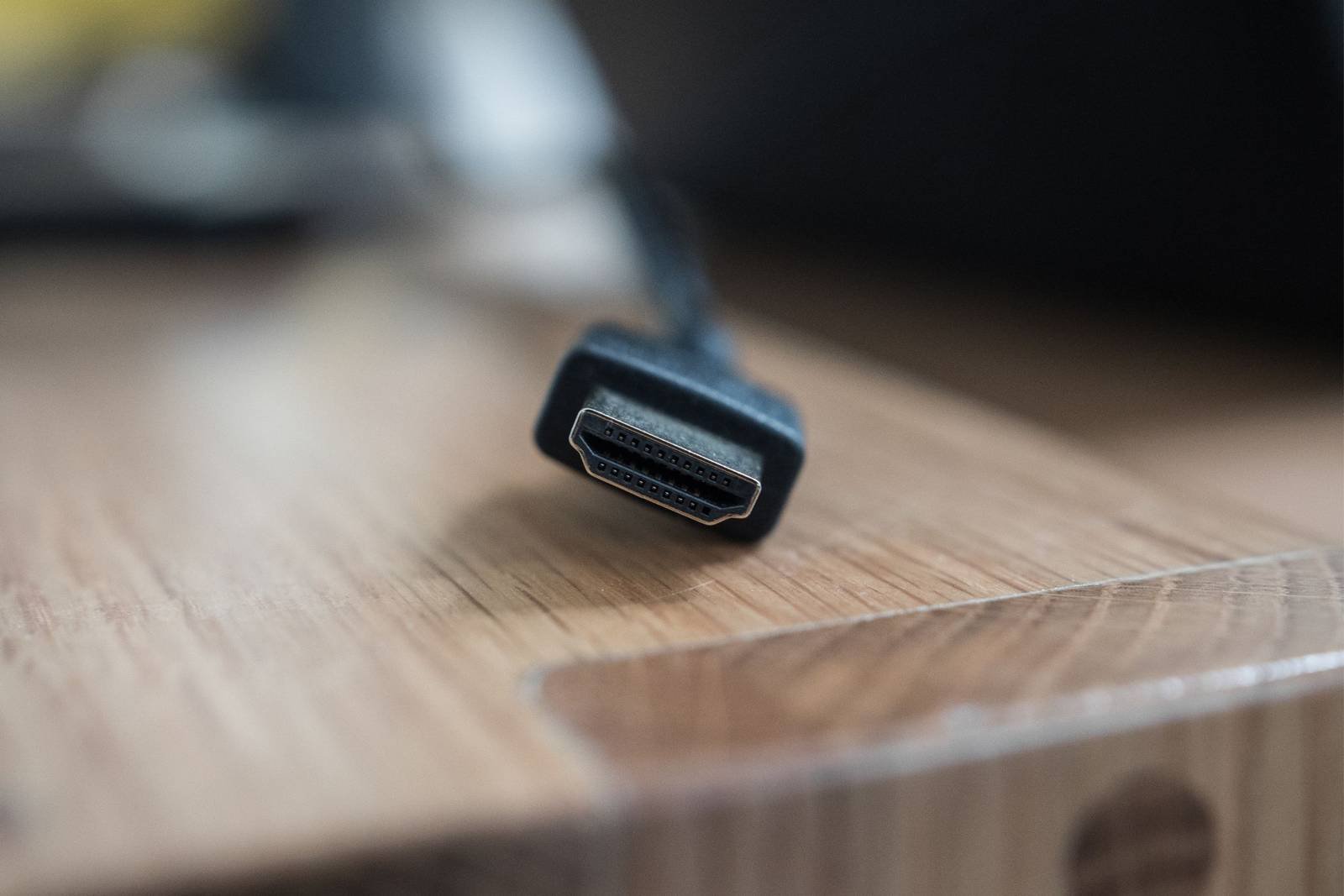
When it comes to transmitting high-quality audio and video signals over long distances, the right HDMI cable can make all the difference. However, not all HDMI cables are created equal. In this article, we’ll explore the best HDMI cables for long-distance connections, and what makes them stand out from the rest.
Understanding HDMI Cable Types
There are several types of HDMI cables available, each with its own unique characteristics and capabilities. For example, standard HDMI cables are suitable for most applications, but they may not be the best choice for long-distance connections. Meanwhile, active HDMI cables, which use electronic amplification to boost the signal, are a better option for longer runs.
Active vs. Passive HDMI Cables
One of the key differences between active and passive HDMI cables is the way they handle signal degradation. Passive cables rely on the strength of the signal to carry it over long distances, which can result in a loss of quality. On the other hand, active cables use amplification to boost the signal, ensuring a stronger and more stable connection. Additionally, active cables are less prone to interference and noise, making them a better choice for applications where signal quality is critical.
For instance, if you’re looking to connect a device to a display that’s located in a different room, an active HDMI cable would be a better option. Furthermore, if you’re experiencing signal degradation or loss of quality with your current HDMI cable, it may be worth considering an active cable as a replacement.
Features to Look for in a Long-Distance HDMI Cable
When shopping for an HDMI cable for long-distance connections, there are several features to look for. These include:
- Length: Look for cables that are specifically designed for long-distance connections, such as 25 feet or more.
- Material: Cables made with high-quality materials, such as copper or fiber optic, are more durable and less prone to signal degradation.
- Shielding: Cables with shielding, such as braided or foil shielding, can help to reduce interference and noise.
- Certification: Look for cables that are certified by organizations such as HDMI or UL, which ensure that the cable meets certain standards for quality and performance.
Moreover, it’s essential to consider the specific requirements of your application when selecting an HDMI cable. For example, if you’re looking to connect a device to a display in a home theater setup, you may want to consider a cable with a higher bandwidth to support 4K or HDR content.
Real-World Applications
In real-world applications, the right HDMI cable can make a significant difference in the quality of the signal. For instance, in a home theater setup, a high-quality HDMI cable can ensure that the audio and video signals are transmitted clearly and without degradation. Meanwhile, in a commercial setting, such as a conference room or auditorium, a reliable HDMI cable can help to ensure that presentations and videos are displayed clearly and without interruption.
Conclusion
In conclusion, when it comes to transmitting high-quality audio and video signals over long distances, the right HDMI cable is essential. By understanding the different types of HDMI cables available, and looking for features such as length, material, shielding, and certification, you can find the best cable for your needs. Therefore, whether you’re setting up a home theater or a commercial display, a high-quality HDMI cable can help to ensure that your signal is strong and reliable.
Finally, it’s worth noting that the best HDMI cable for long-distance connections will depend on the specific requirements of your application. However, by considering the factors outlined in this article, you can make an informed decision and find the right cable for your needs.