
Introduction to Climate Injustice
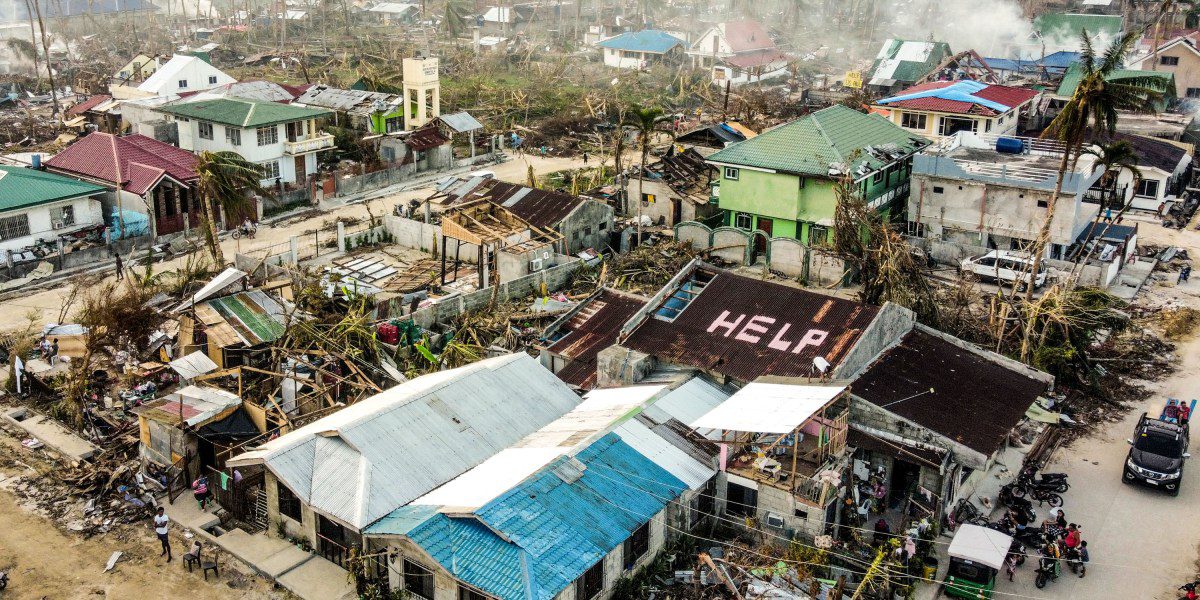
The United States and the European Union have grown into economic superpowers by committing climate atrocities. They have burned a wildly disproportionate share of the world’s oil and gas, planting carbon time bombs that will detonate first in the poorest, hottest parts of the globe. Meanwhile, places like the Solomon Islands and Chad—low-lying or just plain poor—will be the first to face the devastating consequences of climate change.
Climate Change: A Matter of Global Justice
Climate change is not just an environmental issue, but a matter of global justice. The countries that have contributed the least to climate change will be the ones to suffer the most. This is a clear case of climate injustice, where the rich and powerful nations have exploited the poor and vulnerable for their own economic gain.
The Legal Case for Climate Justice
There is a growing legal case for climate justice, with many organizations and individuals advocating for the rights of climate victims. The case is built on the principle that those who have caused the problem should be held accountable for the damages. This includes not just the governments of the rich and powerful nations, but also the corporations that have profited from the exploitation of fossil fuels.
International Law and Climate Justice
International law plays a crucial role in the fight for climate justice. The Paris Agreement, for example, recognizes the principle of common but differentiated responsibilities, which means that countries have different levels of responsibility for addressing climate change based on their historical emissions and capacity to act. However, the agreement does not provide a clear mechanism for holding countries accountable for their actions, and it does not provide adequate support for the countries that are most vulnerable to climate change.
Conclusion
The building legal case for global climate justice is a complex and challenging one. It requires a fundamental transformation of the global economic system, as well as a shift in the way that we think about climate change. It is no longer just an environmental issue, but a matter of human rights and social justice. The fight for climate justice will not be easy, but it is a necessary step towards creating a more just and equitable world for all.