The Power of Continuous Creation
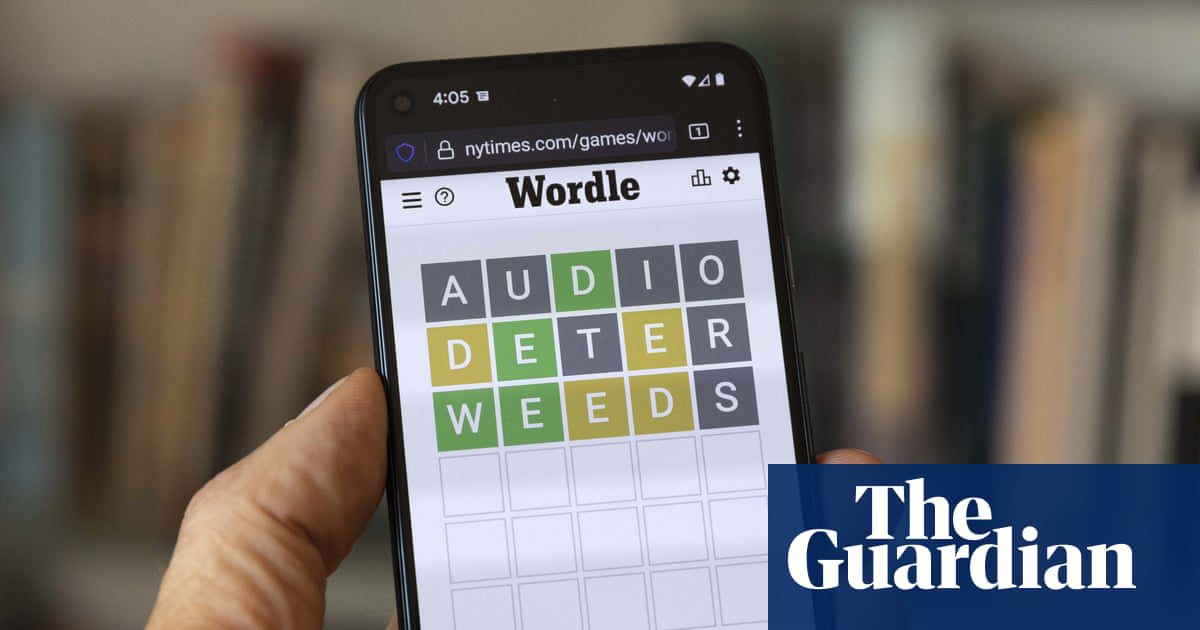
Imagine a world where creatives stopped pushing boundaries after their first success. For instance, if Michelangelo had kicked back after creating the Pietà, or Picasso had stopped after Les Demoiselles d’Avignon, the art world would be vastly different. However, this is not how creativity works. Therefore, when Josh Wardle, the inventor of Wordle, decided to create another game, Parseword, it was a natural progression of his innovative spirit.
Meanwhile, some critics, like Polly Hudson, have argued that Wardle’s new game is a sign of naked ambition. Nevertheless, this perspective overlooks the driving force behind many creatives: the desire to keep creating. Additionally, Wardle’s background as a word nerd and coder suggests that his new game is more of a labor of love than a tilt at creating another viral sensation.
The Importance of Encouraging Creative Talent
For example, if we follow Hudson’s philosophy, no writer should risk a second novel after a bestselling first, and the Beatles should have stopped at Love Me Do. However, this approach stifles innovation and ignores the value of continuous creation. Furthermore, creative talent should be appreciated and encouraged, regardless of the field. As Andy Roberts points out, if Wardle’s second game is as good as his first, it’s something to look forward to.
Moreover, the benefits of continuous creation extend beyond the individual. When innovators keep pushing boundaries, they inspire others to do the same. Therefore, it’s essential to foster an environment that encourages creativity and experimentation. Meanwhile, this can be achieved by providing resources and support for innovators, as well as celebrating their successes.
Practical Tips for Fostering Creativity
- Set aside time for experimentation and play
- Collaborate with others to stimulate new ideas
- Embrace failure as an opportunity for growth
Finally, as we consider the importance of continuous creation, it’s essential to remember that innovation is a journey, not a destination. Therefore, let’s encourage innovators like Wardle to keep pushing boundaries and creating new experiences. By doing so, we can foster a culture that values creativity and experimentation, leading to a more innovative and inspiring world.
Additionally, it’s worth noting that the creative process is often iterative. For instance, Wardle’s experience with Wordle likely informed his approach to Parseword. However, this doesn’t mean that Parseword is simply a rehashing of old ideas. Rather, it’s an evolution of Wardle’s creative vision, shaped by his ongoing passion for word games and coding.
The Role of Ambition in Creative Pursuits
Meanwhile, the question of ambition is complex. On one hand, ambition can drive creatives to produce their best work. On the other hand, it can also lead to burnout and stagnation. However, in Wardle’s case, his ambition seems to be driven by a genuine passion for game design, rather than a desire for fame or fortune. Therefore, it’s essential to distinguish between healthy and unhealthy ambition, recognizing that the former can be a powerful catalyst for innovation.
Furthermore, the concept of ambition is closely tied to the idea of success. For example, what constitutes success for a creative person? Is it the creation of a viral sensation, or is it something more personal? Additionally, how do we measure success, and what role does ambition play in achieving it? These are questions that Wardle, and many other creatives, must grapple with as they navigate their careers.
Measuring Success in Creative Pursuits
Ultimately, success is a highly subjective concept. However, there are some common metrics that creatives use to evaluate their progress. For instance, Wardle may measure the success of Parseword by its reception among players, or by the number of people it inspires to engage with word games. Meanwhile, other creatives may use different metrics, such as critical acclaim or commercial success.
Therefore, it’s essential to recognize that success is not a one-size-fits-all concept. Rather, it’s a highly personal and context-dependent idea that varies from person to person. Additionally, ambition plays a crucial role in achieving success, as it drives creatives to push beyond their limits and strive for excellence.
Conclusion and Call to Action
In conclusion, the creative spark that drives innovators like Wardle is essential to the development of new ideas and experiences. Therefore, it’s crucial that we encourage and support creatives as they continue to innovate and push boundaries. By doing so, we can foster a culture that values creativity, experimentation, and innovation, leading to a more inspiring and dynamic world.
Finally, as we reflect on the importance of continuous creation, let’s remember to celebrate the innovators who inspire us. Whether it’s Wardle, or another creative person, their work has the power to transform our lives and broaden our perspectives. Therefore, let’s keep encouraging them to create, and let’s continue to support their innovative spirit.