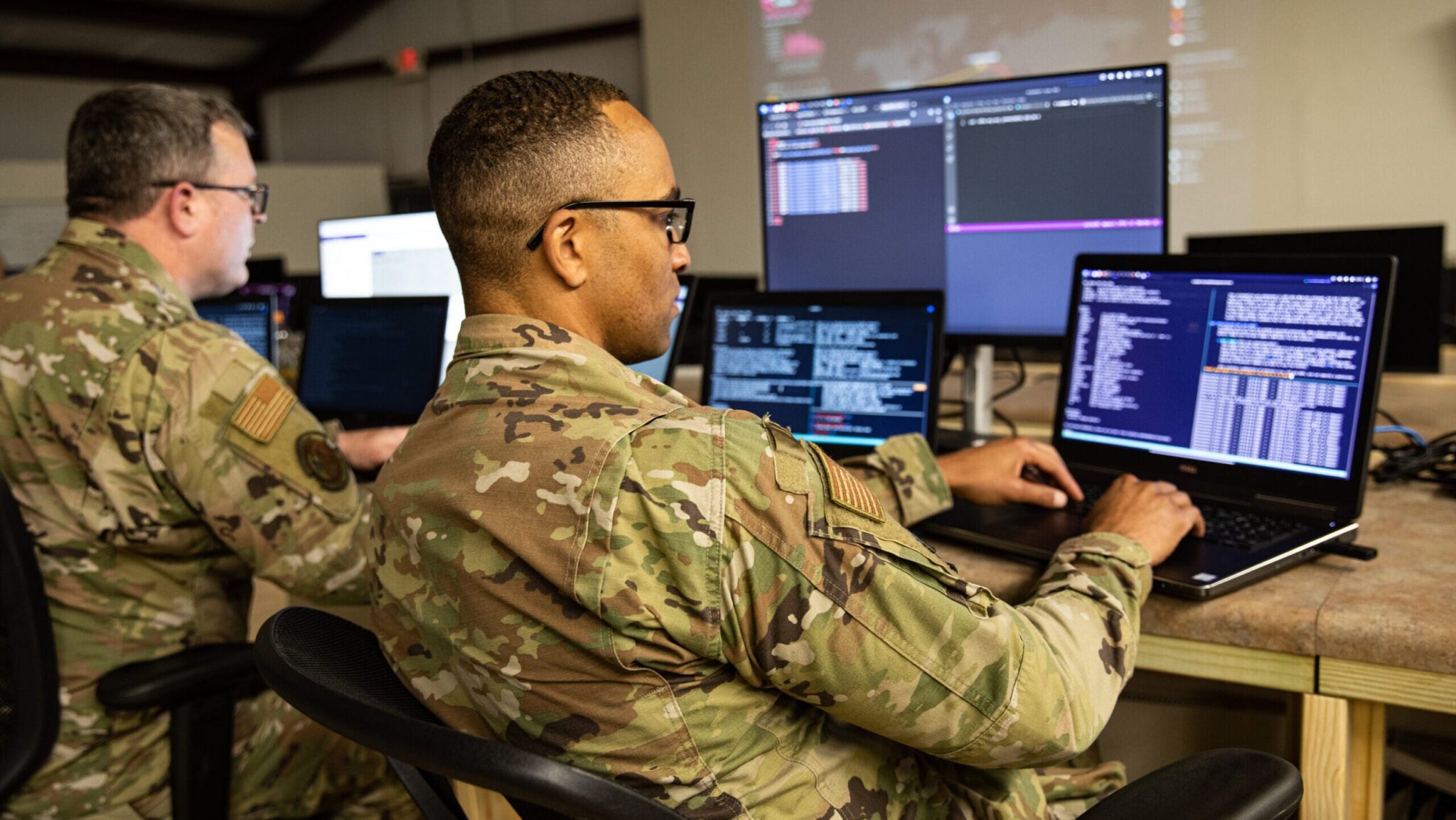
The Evolving Role of Cyber Operations in Modern Warfare
When the U.S. military launched Operation Epic Fury against Iran, it marked a pivotal moment in how cyber operations shape modern conflicts. Gen. Dan Caine, Chairman of the Joint Chiefs of Staff, highlighted the critical role of U.S. Cyber Command (CYBERCOM) in “layering non-kinetic effects” to disrupt Iran’s communication and surveillance capabilities. But what does this mean for the future of warfare—and how do cyber operations fit into sustained military campaigns?
From First Movers to Intelligence Powerhouses
CYBERCOM’s initial role in Operation Epic Fury was to act as a “first mover,” deploying cyber tools to blind adversaries and create tactical advantages. However, as conflicts evolve, cyber operations shift from direct disruption to intelligence-gathering and strategic support. Former military officials explain that sustained campaigns require cyber teams to focus on indications and warning, monitoring adversary intent, and identifying high-value targets for follow-up strikes.
This transition reflects a broader trend: cyber operations are most effective when integrated into multi-phase strategies. For example, during Operation Midnight Hammer in 2023, cyber teams disrupted Iranian air defenses for a single strike. In contrast, Operation Epic Fury demands continuous cyber presence to adapt to shifting battlefield dynamics.
Challenges of Sustained Cyber Campaigns
Access and Persistence
Effective cyber operations rely on pre-positioned access to adversary networks—a process that can take months or years. As one former military cyber lawyer notes, “You don’t flip this switch on automatically.” Maintaining access requires persistence, especially as adversaries like Iran may actively work to sever U.S. cyber teams from their targets.
Intelligence vs. Kinetic Effects
While cyber tools can disable infrastructure or disrupt communications, their long-term value often lies in intelligence collection. For instance, Russian cyber attacks on Ukrainian telecoms during the 2022 invasion initially caused chaos but ultimately weakened Moscow’s intelligence posture. Cyber operators must weigh whether to destroy a target or preserve access for ongoing surveillance.
- Intelligence-Gathering Benefits: Persistent access allows real-time monitoring of adversary movements and planning.
- Kinetic Risks: Destroying infrastructure (e.g., power grids) eliminates future cyber options and risks civilian casualties.
When Cyber Goes Kinetic
There are scenarios where cyber operations take on more overt roles. For example, turning off power in a specific region during a popular uprising could support kinetic military actions. These effects are reversible, minimizing long-term civilian impact compared to traditional strikes. However, such actions require precise timing and coordination with other military branches.
As Operation Epic Fury enters its third day, CYBERCOM remains silent on specifics. But the broader lesson is clear: cyber operations are no longer just about hacking—they’re about strategic patience, intelligence dominance, and adapting to evolving threats in real time.
Conclusion: The Future of Cyber Warfare
The U.S. military’s approach to cyber operations is shifting from flashy disruptions to sustained intelligence campaigns. As conflicts like Operation Epic Fury demonstrate, the key to success lies in balancing kinetic and cyber tools while maintaining access to critical adversary systems. For readers interested in cybersecurity trends, the takeaway is clear: cyber operations are here to stay—and they’re becoming more strategic than ever.
Call to Action: Share your thoughts on the future of cyber warfare in the comments below. How do you see cyber operations evolving in the next decade?