The Forgotten USB-C Feature That Never Took Off
USB-C has revolutionized how we connect devices, but not every idea built around it succeeded. One lesser-known feature—USB4 over USB-C—failed to gain traction despite its potential. This article dives into why it flopped and what it means for future tech.
What Was the Failed USB-C Feature?
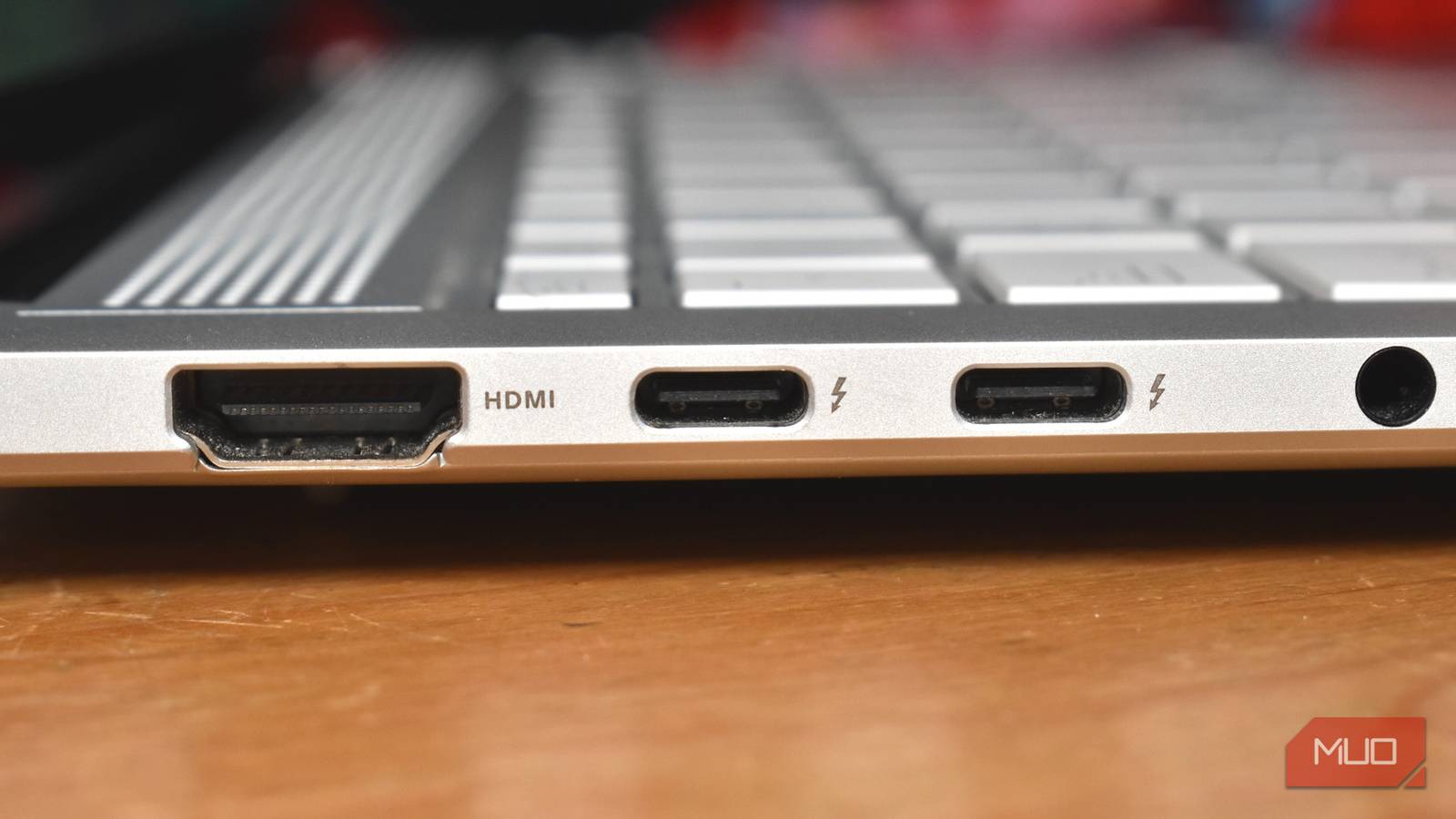
USB4 over USB-C promised faster data transfer speeds and universal compatibility. Launched in 2020, it aimed to unify devices under a single port. However, manufacturers and consumers never adopted it widely.
Why Did It Fail?
Several factors contributed to its downfall:
- Technical Limitations: Early USB4 over USB-C devices struggled with overheating and inconsistent performance.
- Market Resistance: Legacy USB-A ports remained popular, and users resisted switching to a new standard.
- Competition: Thunderbolt 4 and USB 3.2 offered similar speeds without the added complexity.
Lessons From the USB-C Flop
The failure of USB4 over USB-C highlights key lessons for tech innovation:
1. Compatibility Matters More Than Speed
Users prioritize seamless integration over raw performance. USB4’s complexity made it harder to adopt compared to simpler alternatives.
2. Timing Is Everything
Launching during a pandemic limited marketing efforts. Without strong consumer education, the feature faded into obscurity.
3. Ecosystem Support Is Critical
Major brands like Apple and Samsung didn’t fully back the standard, leaving it without the momentum needed to succeed.
What Happens Next?
While USB4 over USB-C didn’t take off, its core ideas live on in newer standards like USB 3.2 Gen 2×2. Future USB-C innovations will likely focus on reliability and backward compatibility.