The Future of AI: Open and Proprietary Models Unite
AI is no longer a niche technology—it’s the backbone of modern innovation. From healthcare to finance, industries are racing to harness its potential. But what does the future hold for AI development? The answer lies in a powerful collaboration between open and proprietary models. Leaders in the field, including NVIDIA, Mistral AI, and Perplexity, are proving that the best path forward isn’t a choice between open-source and closed systems. It’s a blend of both.
Why Open and Proprietary AI Work Together
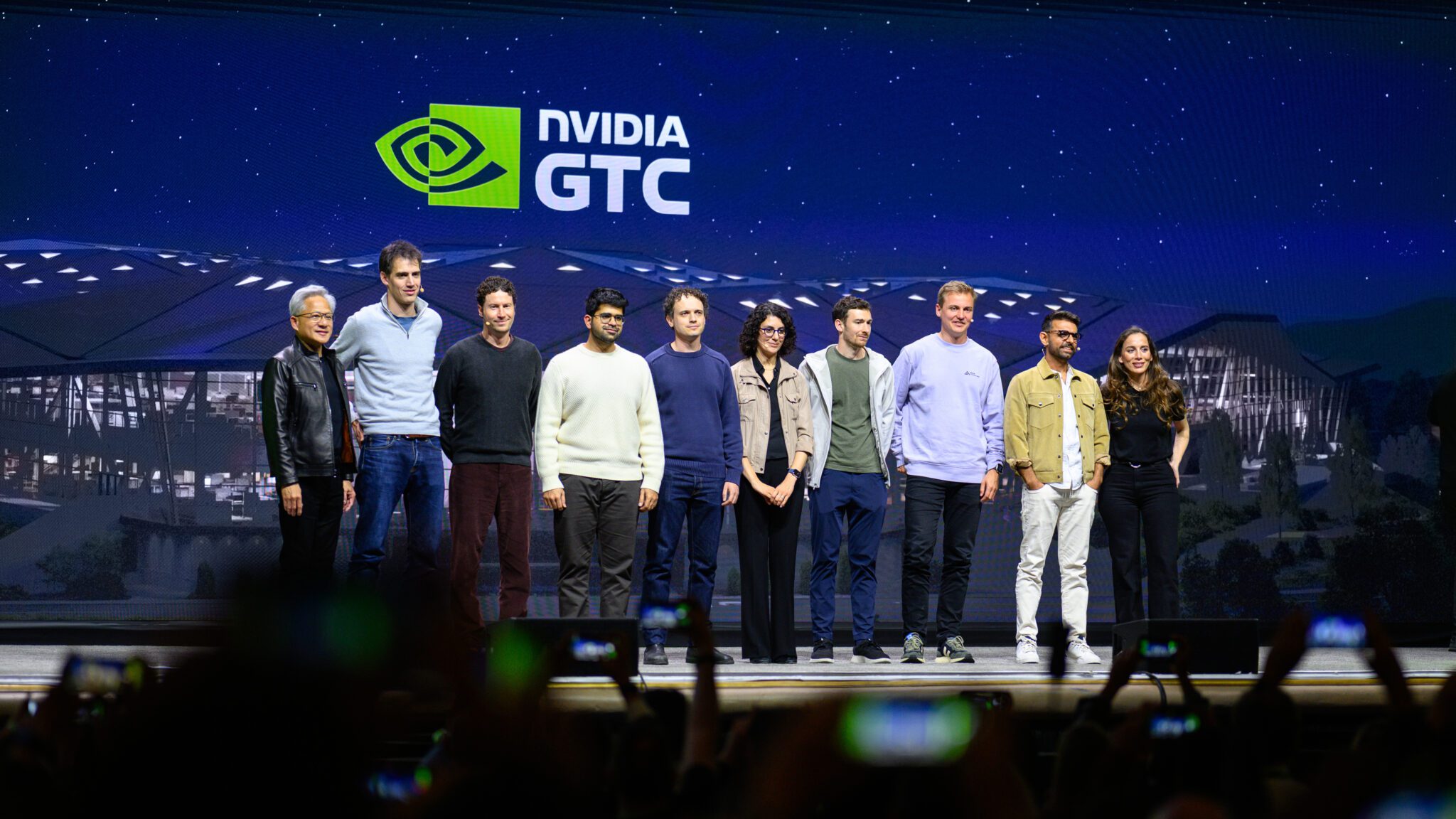
At NVIDIA GTC 2026, a key message emerged: open and proprietary AI models are not rivals—they’re partners. Jensen Huang, NVIDIA’s CEO, emphasized that the future of AI isn’t about a single monolithic model. Instead, it’s about systems of models tailored to specific industries and tasks. This approach requires collaboration, shared expertise, and a commitment to openness.
Consider the NVIDIA Nemotron Coalition, a groundbreaking initiative uniting AI labs and model builders. By sharing data, compute resources, and domain knowledge, this coalition is accelerating the development of open frontier models. The first project—a base model co-developed with Mistral AI—will power the next generation of AI tools, downloaded over 45 million times. This isn’t just about innovation; it’s about democratizing access to cutting-edge technology.
5 Key Insights from AI Leaders
During a panel discussion at GTC, industry leaders shared actionable insights on the evolving AI landscape. Here’s what stood out:
1. AI Agents Are Becoming Capable Coworkers
Cursor CEO Michael Truell highlighted how AI agents are evolving into “coworkers” that handle complex tasks. Imagine an AI agent that can draft reports, analyze data, or even code—all while learning from your workflow. This shift is redefining productivity, blending human creativity with machine efficiency.
2. AI Is an Orchestration System
Perplexity’s Aravind Srinivas described AI as a “multimodal, multi-model, multi-cloud orchestra.” The future isn’t about choosing one model—it’s about systems that delegate tasks intelligently. For example, a healthcare AI might combine a generalist model for diagnostics with a specialist model for drug discovery.
3. Openness Drives Innovation
Reflection AI’s Misha Laskin argued that open models are the foundation of AI progress. “Fundamental knowledge infrastructure yearns for openness,” he said. Open-source projects like Hugging Face’s 4,000 NVIDIA models enable researchers worldwide to experiment, iterate, and build faster. This transparency accelerates breakthroughs in academia and industry alike.
4. Trust Through Open Systems
AMP PBC’s Anjney Midha stressed that open systems are inherently trustworthy. When developers can inspect and verify AI models, trust grows. This is critical for long-running AI agents—think of a financial advisor AI that operates autonomously for months, making decisions based on transparent logic.
5. Generalists and Specialists Shape AI’s Future
OpenEvidence’s Daniel Nadler compared AI’s evolution to hospital systems: generalists work alongside specialists. Hospitals rely on both ER doctors and neurosurgeons. Similarly, AI will combine broad models with niche tools. For instance, a generalist model might analyze patient data, while a specialist model recommends personalized treatments.
Democratizing AI Through Collaboration
Mistral’s Arthur Mensch made a compelling case for open ecosystems. “Open models should be the basis for all AI software,” he said. By aligning incentives across academia, startups, and corporations, open systems ensure fair access to AI. This isn’t just idealism—it’s practical. Open models reduce costs, foster innovation, and prevent monopolies in AI development.
Black Forest Labs’ Robin Rombach added, “Every frontier in AI needs an open component.” Whether it’s large-scale models or device-specific tools, openness ensures no single entity controls the future of AI. This diversity is key to solving global challenges, from climate modeling to personalized education.
Take the Next Step
The future of AI is here, and it’s built on collaboration. If you’re ready to explore open and proprietary models, start by experimenting with NVIDIA’s Nemotron Coalition projects. Watch Jensen Huang’s GTC keynote for deeper insights. For developers, the Hugging Face platform offers a treasure trove of open models to test and deploy.
What’s your role in this evolving ecosystem? Whether you’re a researcher, entrepreneur, or business leader, the time to act is now. Embrace the synergy of open and proprietary AI—because the future belongs to those who build together.