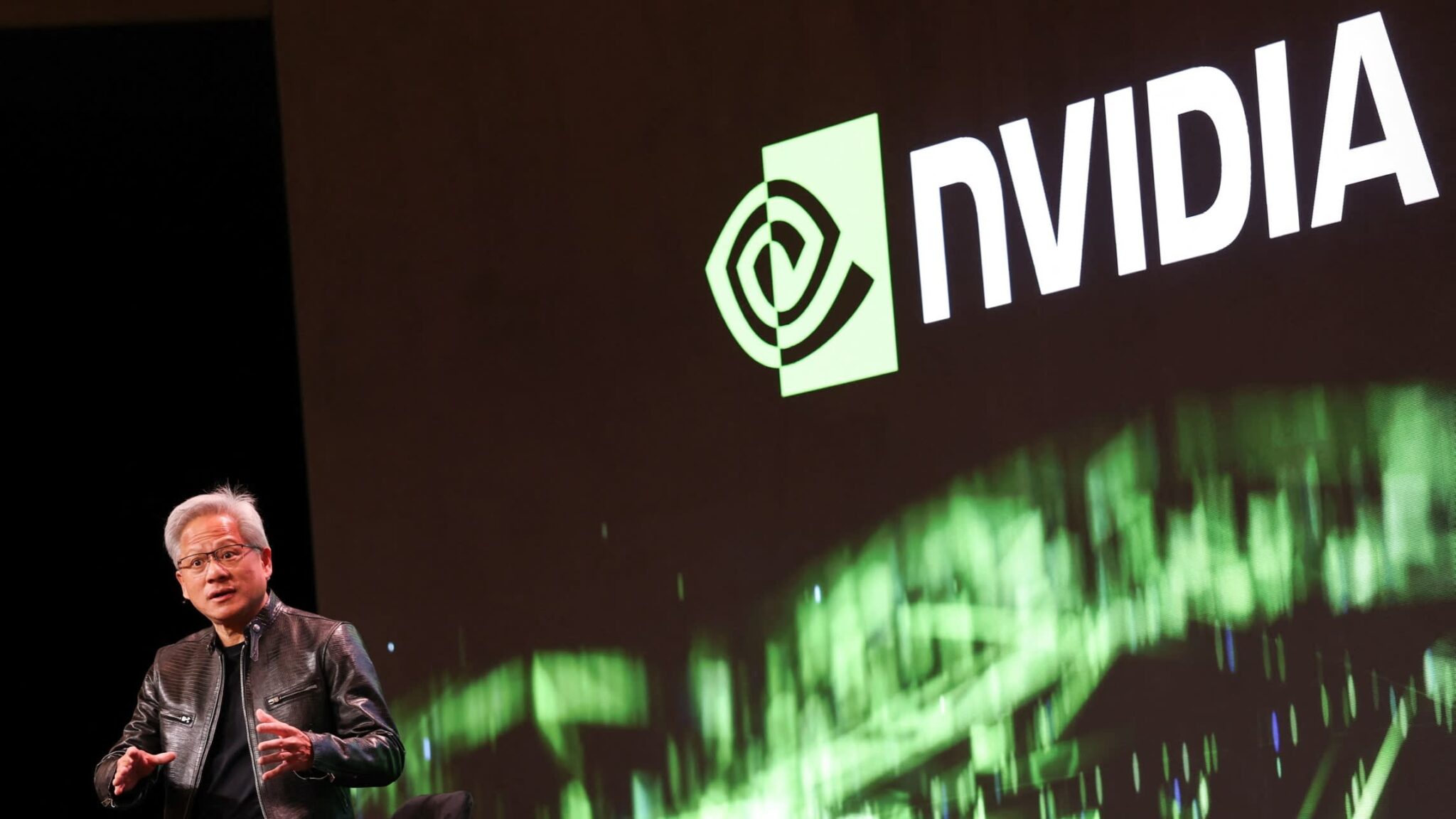
The Future of Tech: How AI is Revolutionizing the Industry
As we continue to navigate the ever-evolving landscape of technology, one thing is clear: Artificial Intelligence (AI) is here to stay. From chatbots to virtual assistants, AI has become an integral part of our daily lives, transforming the way we interact with technology and each other.
But what does the future hold for AI? Will it continue to revolutionize industries, or will it become a mere novelty? In this article, we’ll explore the current state of AI, its potential applications, and what we can expect from the future of tech.
The Current State of AI
AI has come a long way since its inception. From simple rule-based systems to complex machine learning algorithms, AI has evolved significantly over the years. Today, AI is being used in various industries, including healthcare, finance, and education, to name a few.
One of the most significant applications of AI is in the field of natural language processing (NLP). NLP enables machines to understand and generate human-like language, making it possible for chatbots and virtual assistants to communicate with us in a more natural way.
Another area where AI is making a significant impact is in the field of computer vision. Computer vision enables machines to interpret and understand visual data from images and videos, making it possible for self-driving cars and drones to navigate through complex environments.
The Future of AI
So, what can we expect from the future of AI? Will it continue to revolutionize industries, or will it become a mere novelty? The answer lies in its potential applications.
One of the most significant potential applications of AI is in the field of healthcare. AI can help doctors diagnose diseases more accurately and quickly, reducing the risk of misdiagnosis and improving patient outcomes.
Another area where AI is expected to make a significant impact is in the field of education. AI can help personalize learning experiences for students, making it possible for them to learn at their own pace and in their own style.
AI is also expected to revolutionize the field of finance. AI-powered chatbots can help customers with their banking needs, making it possible for them to perform transactions and manage their accounts more efficiently.
The Challenges of AI
While AI has the potential to revolutionize industries, it also poses several challenges. One of the most significant challenges is the issue of bias. AI systems can perpetuate biases and stereotypes, leading to unfair outcomes and discrimination.
Another challenge facing AI is the issue of job displacement. As AI takes over routine and repetitive tasks, there is a risk that it may displace human workers, leading to unemployment and social unrest.
Finally, there is the issue of accountability. As AI becomes more autonomous, it becomes increasingly difficult to hold it accountable for its actions. This raises questions about the ethics of AI and its potential impact on society.
The Future of Tech
So, what can we expect from the future of tech? Will AI continue to revolutionize industries, or will it become a mere novelty? The answer lies in its potential applications.
One of the most significant potential applications of AI is in the field of sustainability. AI can help us reduce our carbon footprint and mitigate the effects of climate change, making it possible for us to live more sustainably.
Another area where AI is expected to make a significant impact is in the field of transportation. AI can help us develop more efficient and sustainable transportation systems, making it possible for us to travel more easily and safely.
Finally, AI is expected to revolutionize the field of entertainment. AI-powered chatbots can help us create more immersive and engaging experiences, making it possible for us to enjoy our favorite games and movies in a more interactive way.
Conclusion
In conclusion, AI is revolutionizing the tech industry in ways we never thought possible. From chatbots to virtual assistants, AI has become an integral part of our daily lives, transforming the way we interact with technology and each other.
While AI poses several challenges, its potential applications are vast and varied. From healthcare to education, finance to sustainability, AI has the potential to revolutionize industries and improve our lives in countless ways.
As we continue to navigate the ever-evolving landscape of technology, one thing is clear: AI is here to stay. And with its potential applications, it’s no wonder that AI is the future of tech.
FAQs
Q: What is AI?
A: AI is a type of computer science that enables machines to perform tasks that typically require human intelligence, such as learning, problem-solving, and decision-making.
Q: What are the potential applications of AI?
A: The potential applications of AI are vast and varied, including healthcare, education, finance, sustainability, transportation, and entertainment.
Q: What are the challenges of AI?
A: The challenges of AI include bias, job displacement, and accountability.