The Future of Writing: Navigating the Blurred Lines Between Human and AI Expression
As we navigate the ever-evolving landscape of technology, one thing is clear: the way we write is changing. Predictive language technologies, such as auto-complete functions and chatbots, have become an integral part of our daily lives. But what does this mean for the unique voice of a writer?
The Rise of Predictive Text
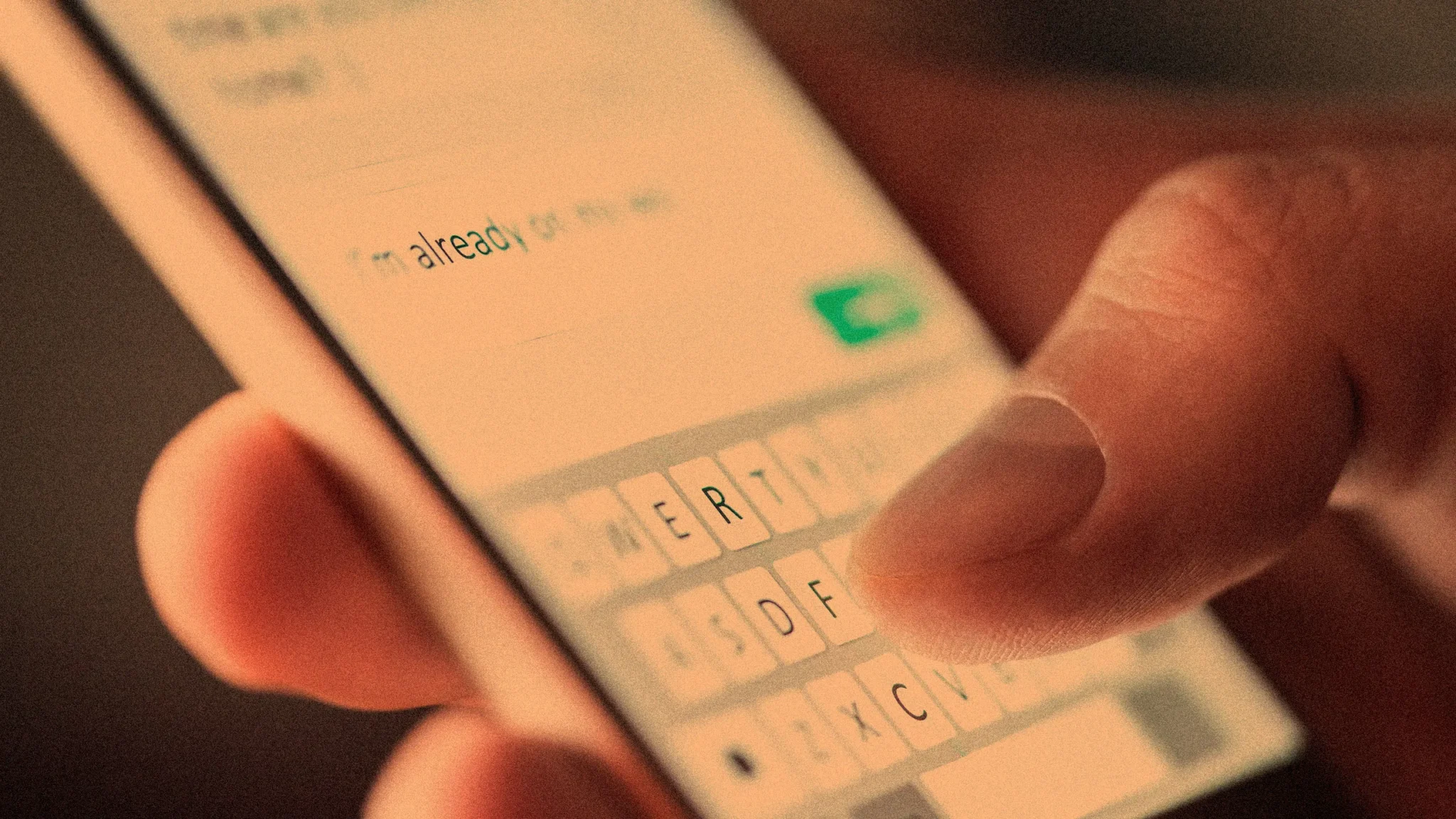
It’s a familiar feeling: you start a text message, and your phone’s auto-complete function suggests several choices for the next word. From banal to hilarious, these suggestions can be both helpful and frustrating. But they raise a difficult question: what happens to a writer’s unique voice when AI routinely completes their thoughts—or generates them altogether from scratch?
As the chair of a large English department, and as a scholar who researches the effects of predictive writing, I’ve witnessed firsthand the challenges that generative AI systems such as ChatGPT, Gemini, and Claude pose for individual expression. This technology has been incorporated into the writing process so fully that it’s almost impossible to imagine encountering a scene from the not-so-distant past: a writer, alone, with a pen and a piece of paper, wrestling with how to best translate their ideas, arguments, and stories into something legible and interesting.
The Myth of the Solo Writer
However, this vision of writing was never fully accurate. Essays have always incorporated guidance from teachers, professors, or writing tutors. A friend might give feedback, or your favorite novelist’s turn of phrase might offer inspiration. The language we use is never fully ‘ours,’ but draws on millions of sources absorbed over the course of our lives.
Just as it’s a myth to imagine that writers compose in a vacuum, there has never been a clear line between genuine human expression versus machine-generated text. As scholars have pointed out, we have been using machines to communicate for a long time. Every technological development—from the quill pen and the typewriter to the word processor—has brought with it changes in how humans express themselves.
The Future of Writing
Therefore, as we move forward in this digital age, it’s essential to recognize that writing is no longer a solo activity. Instead, it’s a collaborative process between humans and machines. This doesn’t mean that AI will replace human writers, but rather that it will augment and enhance our abilities.
For example, AI can help with tasks such as research, organization, and even grammar and spelling checks. However, the creative spark, the unique voice, and the emotional depth that make writing truly special will always come from human writers.
Embracing the Future of Writing
Meanwhile, as we navigate this new landscape, it’s essential to be aware of the potential pitfalls of relying too heavily on AI. For instance, over-reliance on predictive text can lead to a loss of nuance and depth in our writing. Additionally, the use of AI-generated content can raise questions about authorship and ownership.
However, by embracing the potential of AI and machine learning, we can unlock new possibilities for writers and creatives. For example, AI can help us to generate new ideas, explore different perspectives, and even create new forms of storytelling.
Conclusion
Finally, as we look to the future of writing, it’s essential to recognize that the lines between human and AI expression are becoming increasingly blurred. While AI can augment and enhance our abilities, it’s the unique voice, creativity, and emotional depth of human writers that will always make writing truly special.
So, let’s not be afraid to experiment with AI and machine learning, but rather see it as a tool to enhance our writing, rather than replace it. By doing so, we can unlock new possibilities for writers and creatives, and create a future where human and AI expression come together in a beautiful and innovative way.
For example, you can start by using AI-powered writing tools to help with research and organization. You can also experiment with AI-generated content to see how it can enhance your writing. And, most importantly, remember that the unique voice and creativity of human writers will always be the driving force behind great writing.
Therefore, let’s embark on this exciting journey together, and see where the future of writing takes us.