The Convenience and Danger of QR Codes
QR codes have become a staple of modern life, allowing us to connect to Wi-Fi, pay for parking, and access restaurant menus with just a scan. However, this convenience comes with a risk. Scammers, criminal gangs, and nation-states are using QR codes to steal our data.
Meanwhile, many of us are unaware of the potential dangers lurking behind these black and white mosaics. Therefore, it’s essential to understand how QR codes work and how scammers are exploiting them.
How QR Codes Work
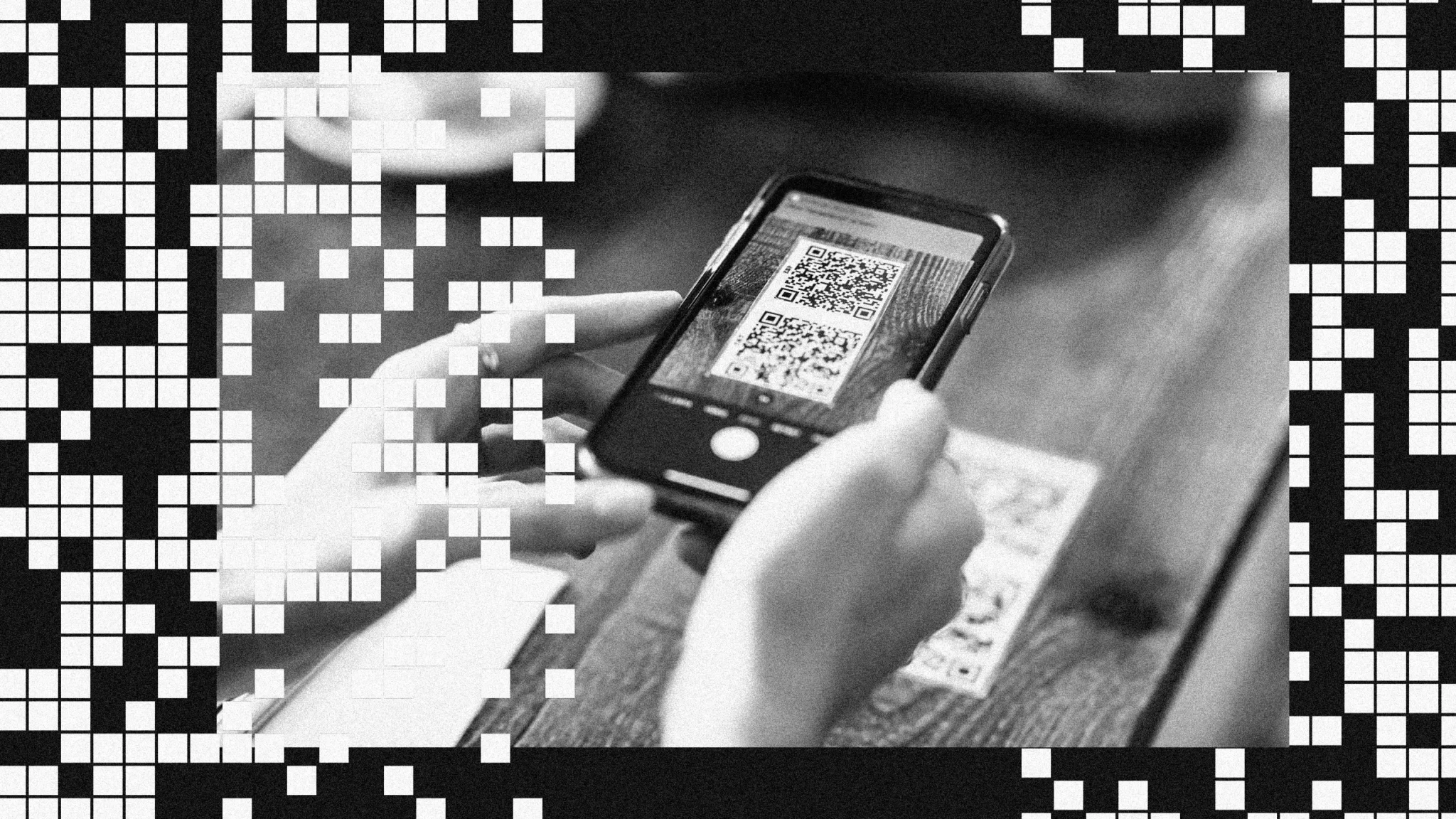
A QR code is a two-dimensional image that stores text and numbers. When scanned, our phones extract the encoded information and act on it. For example, QR codes often embed URLs, allowing us to pay for parking or access a website.
Additionally, QR codes are more advanced than traditional UPC codes, which are one-dimensional images composed of vertical bars. QR codes, on the other hand, can store a wide range of information, making them a convenient tool for many applications.
The Growing Threat of Quishing
Quishing is a type of scam that involves embedding malicious links in QR codes. Scammers send these codes to people via email, often pretending to be from their bank or an online service. Alternatively, malicious actors print QR codes with malicious links and place them over authentic codes in public areas.
For instance, a scammer might send a QR code that appears to be from a bank, asking the recipient to log in to their account. However, the link embedded in the QR code leads to a phishing website, where the scammer can steal the person’s login credentials.
Protecting Yourself from Quishing
To avoid falling victim to quishing, it’s essential to be cautious when scanning QR codes. Here are some tips:
- Be wary of QR codes sent via email or text message, especially if they appear to be from a bank or online service.
- Verify the authenticity of QR codes before scanning them, especially in public areas.
- Avoid scanning QR codes that appear to be tampered with or damaged.
Finally, it’s crucial to stay informed about the latest scams and threats related to QR codes. By being aware of the potential dangers and taking steps to protect ourselves, we can enjoy the convenience of QR codes while minimizing the risks.
Conclusion
In conclusion, QR codes are a convenient tool that can make our lives easier. However, they also pose a risk if we’re not careful. By understanding how QR codes work and being cautious when scanning them, we can protect ourselves from scammers and enjoy the benefits of this technology.
Therefore, the next time you scan a QR code, remember to be vigilant and take the necessary precautions to avoid falling victim to quishing.
Frequently Asked Questions
- What is quishing, and how does it work? Quishing is a type of scam that involves embedding malicious links in QR codes, which can lead to phishing websites or malware.
- How can I protect myself from quishing? Be cautious when scanning QR codes, verify their authenticity, and avoid scanning codes that appear to be tampered with or damaged.
- What are the risks of using QR codes? The risks include falling victim to quishing, phishing, and malware, which can lead to data theft and financial loss.
- Can I use QR codes safely? Yes, by being aware of the potential dangers and taking steps to protect yourself, you can enjoy the convenience of QR codes while minimizing the risks.
- What should I do if I suspect I’ve fallen victim to quishing? If you suspect you’ve fallen victim to quishing, contact your bank or online service immediately and report the incident to the relevant authorities.