Introduction to the Risks
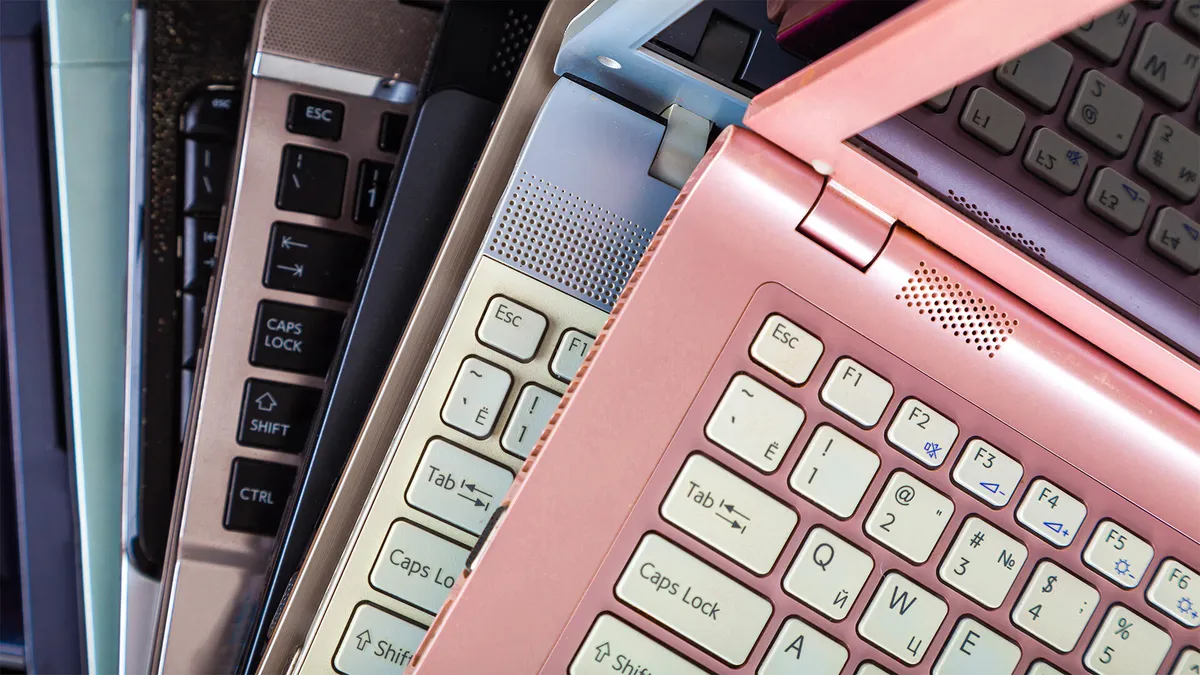
When it comes to buying a new computer, many of us are on the lookout for a good deal. With the constant evolution of technology, it’s easy to find refurbished or used computers at significantly lower prices than their brand-new counterparts. However, if you’re considering purchasing a refurbished or used Windows 10 computer, think twice. While the initial cost savings might be tempting, the potential risks and drawbacks can far outweigh any short-term financial benefits.
Security Risks
One of the most significant concerns with buying a used or refurbished computer is the security risk. These devices may have been previously used for malicious activities or may have been compromised by malware or viruses. Even if the computer has been refurbished, there’s no guarantee that all traces of malware have been completely removed. This could put your personal data, including sensitive information like banking details and passwords, at risk of being stolen or compromised.
Outdated Hardware and Software
Another issue with buying a used or refurbished Windows 10 computer is the potential for outdated hardware and software. Windows 10, while still supported, is an older operating system, and purchasing a computer that runs this OS means you might be stuck with outdated hardware that’s no longer receiving updates or support. This can lead to compatibility issues with newer software and peripherals, limiting the computer’s usefulness and lifespan.
Limited Support and Updates
Microsoft has announced the end of support for Windows 10, which means that while it will still work, it won’t receive any further updates, including critical security patches. This lack of support can leave your computer vulnerable to new threats and exploits, as any newly discovered vulnerabilities will not be addressed. Furthermore, as software and hardware evolve, the compatibility and performance of your computer will degrade over time, making it less reliable and more frustrating to use.
Performance Issues
Used and refurbished computers may also come with performance issues due to wear and tear or poor maintenance. Over time, components like the hard drive, RAM, and CPU can degrade, leading to slower performance, frequent crashes, and a generally poor user experience. While some of these issues might be mitigated with upgrades or repairs, the cost and hassle can quickly add up, negating any initial savings from buying a used computer.
Warranty and Support Concerns
When you buy a new computer, it usually comes with a manufacturer’s warranty that covers parts and labor for a certain period. However, with refurbished or used computers, the warranty situation can be murky. You might find that the warranty has expired or that the seller offers limited or no warranty at all. This lack of support can leave you on your own to deal with any issues that arise, which can be both costly and time-consuming to resolve.
Conclusion
In conclusion, while the temptation to save money by buying a refurbished or used Windows 10 computer is understandable, the potential risks and drawbacks make it a decision that should be approached with caution. From security risks and outdated hardware to limited support and performance issues, the hidden dangers of such purchases can lead to significant problems down the line. If you’re in the market for a new computer, consider the long-term benefits of buying a new device with the latest operating system, robust security, and comprehensive support.