
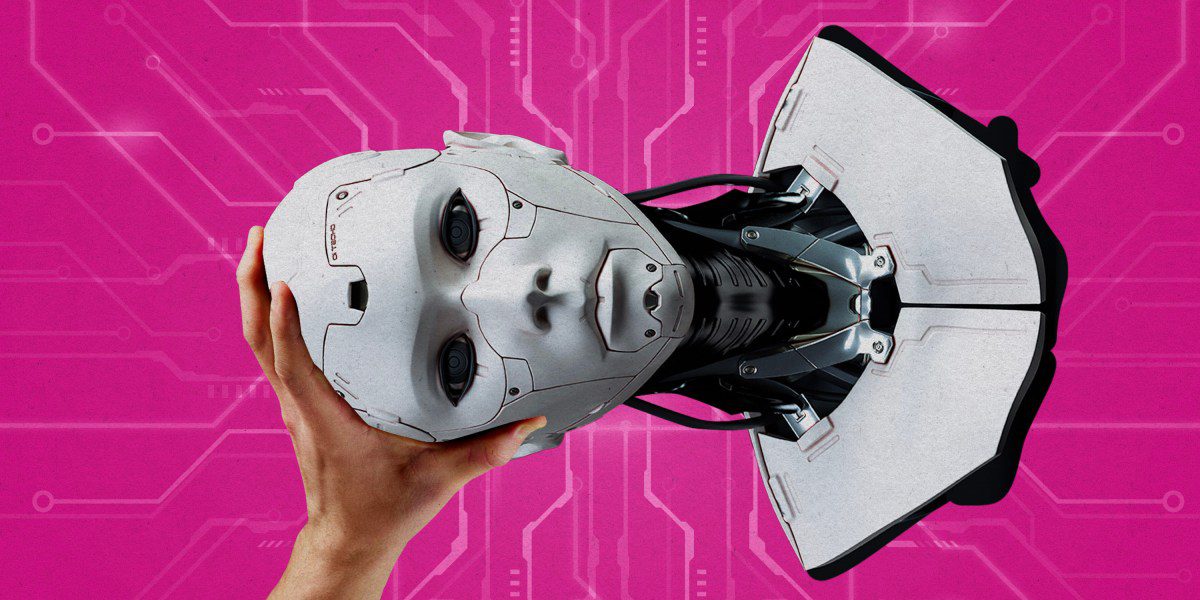
<h2 Introduction to Physical AI
In January, Nvidia’s Jensen Huang, the head of the world’s most valuable company, proclaimed that we are entering the era of physical AI, when artificial intelligence will move beyond language and chatbots. This statement has sparked a wave of interest in the development of humanoid robots, with many companies and researchers working to create machines that can interact with the physical world.
<h3 The Human Element
However, behind the scenes of these advancements is a significant amount of human work. From the engineers who design and build the robots, to the technicians who test and maintain them, to the data annotators who label the vast amounts of data used to train the AI models, there are many people involved in the development of humanoid robots.
Despite the importance of this human work, it is often hidden from view. The focus is typically on the robots themselves, with their sleek designs and impressive capabilities. But without the human workers who design, build, and maintain them, these robots would not be possible.
<h2 The Impact of Hidden Human Work
The hiding of human work behind humanoid robots has significant implications. For one, it can create unrealistic expectations about the capabilities of AI. When the human work involved in the development of robots is hidden, it can be easy to assume that the robots are more autonomous than they actually are.
This can also have negative consequences for the workers involved in the development of robots. By hiding their contributions, these workers may not receive the recognition they deserve, and their work may be undervalued.
<h3 Towards a More Transparent Future
To address these issues, it is essential to make the human work behind humanoid robots more visible. This can involve acknowledging the contributions of the workers involved in the development of robots, and providing them with the recognition they deserve.
Additionally, it is crucial to be transparent about the limitations of AI and the role of human work in the development of robots. By doing so, we can create a more realistic understanding of the capabilities of AI and the importance of human workers in the development of robots.








