The Hidden World of Online Scams: Fake Reviews and Crypto Fraud
In the past six to seven years, online scams have surged, with fake reviews and cryptocurrency fraud at the forefront. A recent undercover investigation revealed how scammers exploit platforms like Google Maps and Telegram to manipulate trust and profit from unsuspecting users.
The Rise of Fake Reviews
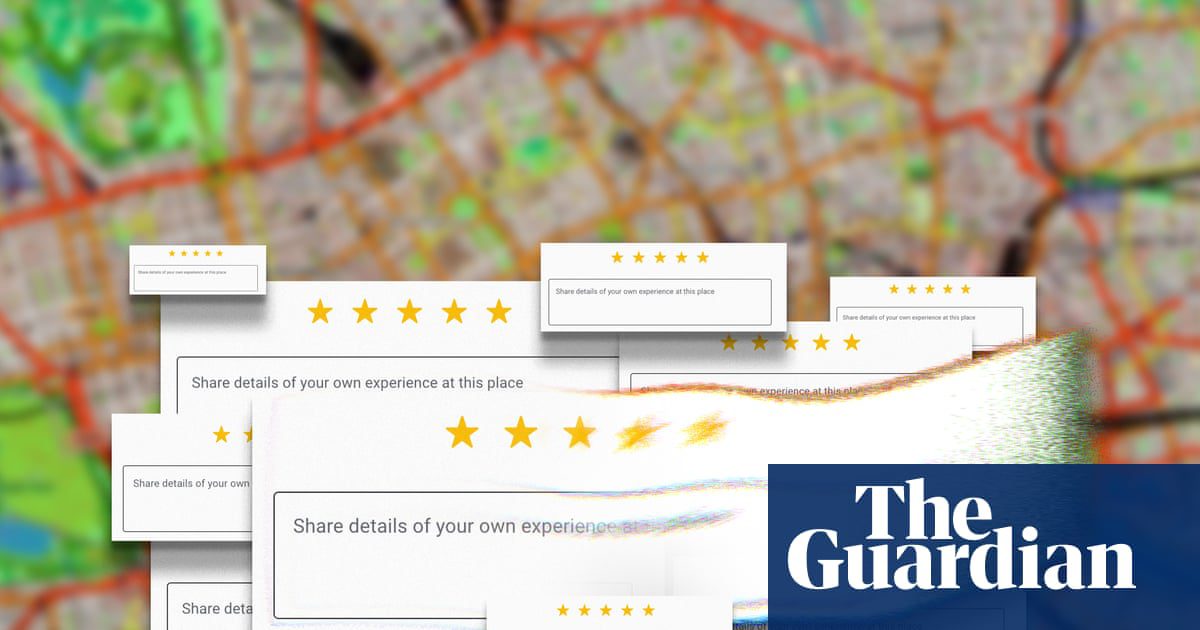
Fake reviews are no longer a niche tactic. Scammers now operate on an industrial scale, targeting hotels, hostels, and even B&Bs across Europe. For example, a single Telegram channel requested over 6,000 fake reviews in just a few months, mimicking brands like Hilton and Accor. These reviews, often written by paid individuals, distort consumer choices and cost billions in misdirected spending annually.
How Scammers Recruit Markers
Scammers use social media and messaging apps to lure people into writing fake reviews. Promises of £800 a day attract victims, who are then guided through cryptocurrency wallets and stablecoins like USDC. The process is designed to obscure the scam’s true purpose: not just to manipulate reviews but to exploit users for financial gain.
The Role of Cryptocurrency
Crypto plays a dual role in these scams. It allows scammers to receive payments anonymously, while stablecoins like USDC mimic traditional currency without the volatility of Bitcoin. However, UK law requires crypto recipients to declare income, a rule scammers often ignore. “You can ignore this one,” advised a scammer when asked about legal obligations.
How Scammers Operate
Modern scams are highly organized, with specialized roles for recruiters, “receptionists,” and AI-driven bots. For instance, a Telegram account posing as a New York-based marketing agency coordinated fake reviews for hotels worldwide. The scammers used stolen or AI-generated images and fake profiles to appear legitimate.
The Global Supply Chain of Fraud
Scammers often operate from countries with weak legal frameworks, such as Cambodia or Myanmar. Some victims are even trafficked into “prison-like” scam centers. Despite claims of safety from scammers, the reality is far more dangerous, with law enforcement struggling to track cross-border operations.
Protecting Yourself from Scams
Here’s how to stay safe in an era of fake reviews and crypto fraud:
- Verify sources: Check if a review platform allows only verified customers to post.
- Use secure payment methods: Avoid cryptocurrency for unfamiliar transactions.
- Report suspicious activity: Platforms like Telegram and Google Maps have moderation systems to flag scams.
Why Trust Matters
Companies like Accor and Travelodge emphasize their commitment to authentic reviews. However, the sheer volume of fake content makes detection challenging. Experts like fraud consultant Serpil Hall warn that AI tools are now used to create convincing scams, making it harder to distinguish between real and fake interactions.
The Bigger Picture
Online scams are a global crisis, costing consumers billions. While platforms like Booking.com and Quad Marketing Agency claim to combat fraud, the scale of the problem remains staggering. As AI and crypto evolve, so do the tactics of scammers. Staying informed and vigilant is the best defense.
Take Action
Share this article to raise awareness. If you encounter fake reviews or suspicious crypto transactions, report them immediately. Together, we can push for stronger regulations and better tools to protect online trust.