
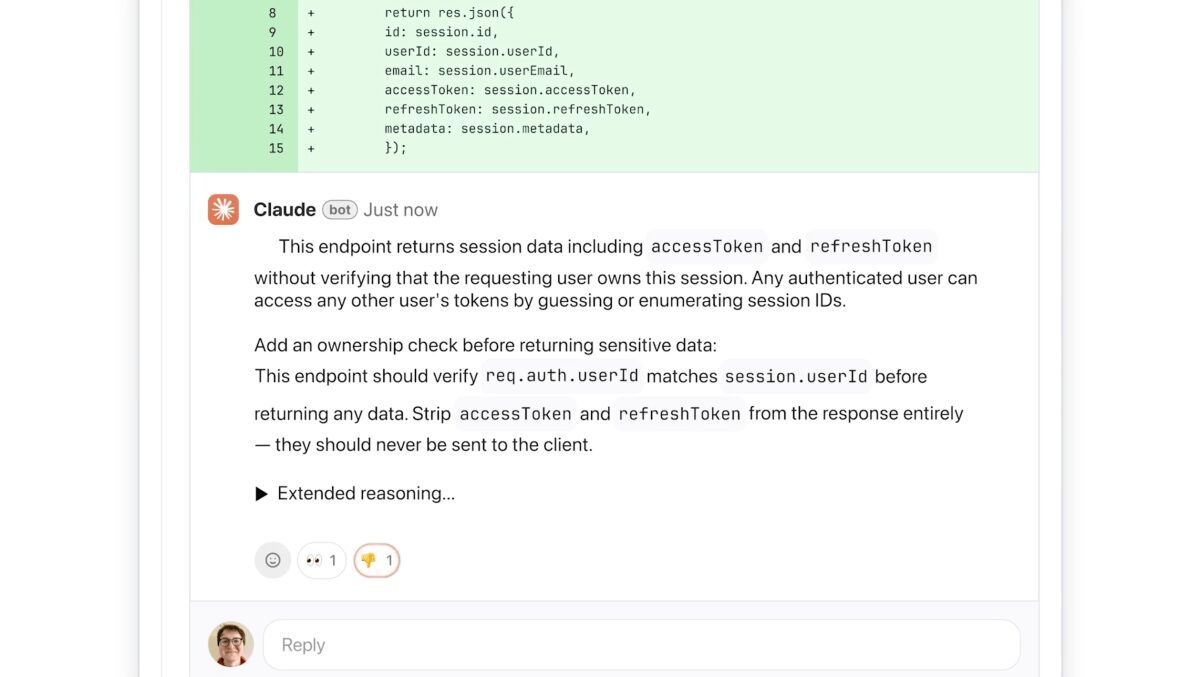
Peer feedback is crucial for catching bugs early, maintaining consistency across a codebase, and improving overall software quality. However, the rise of “vibe coding” has changed how developers work. Meanwhile, AI tools that generate large amounts of code from plain language instructions have sped up development.
Benefits of Peer Feedback
For example, peer feedback helps developers identify security risks and poorly understood code. Additionally, it ensures that the codebase is consistent and maintainable. Therefore, it is essential to incorporate peer feedback into the development process.
Meanwhile, vibe coding has introduced new challenges. For instance, the generated code may contain bugs or security risks that are not immediately apparent. However, by combining vibe coding with peer feedback, developers can mitigate these risks and produce high-quality software.
Best Practices for Peer Feedback
To get the most out of peer feedback, developers should follow best practices. Firstly, they should provide clear and concise instructions for the code they are reviewing. Secondly, they should test the code thoroughly to identify any bugs or security risks. Finally, they should provide constructive feedback that helps the developer improve their code.
Additionally, developers can use various tools to facilitate peer feedback. For example, they can use version control systems like Git to track changes to the codebase. They can also use project management tools like Jira to assign tasks and track progress.
In conclusion, peer feedback is essential for producing high-quality software. By combining vibe coding with peer feedback, developers can create better code and reduce the risk of bugs and security risks.
FAQs:
- What is vibe coding? Vibe coding is the use of AI tools to generate large amounts of code from plain language instructions.
- Why is peer feedback important? Peer feedback is important because it helps developers catch bugs early, maintain consistency across a codebase, and improve overall software quality.
- How can developers facilitate peer feedback? Developers can facilitate peer feedback by providing clear and concise instructions, testing the code thoroughly, and providing constructive feedback.
- What are the benefits of combining vibe coding with peer feedback? The benefits of combining vibe coding with peer feedback include improved code quality, reduced risk of bugs and security risks, and faster development.
- What tools can developers use to facilitate peer feedback? Developers can use version control systems like Git, project management tools like Jira, and other collaboration tools to facilitate peer feedback.








