Introduction to Print-in-Place Models
Print-in-place models are revolutionizing the world of 3D printing, offering a level of complexity and detail that was previously unimaginable. For example, creating intricate mechanisms or articulated figures becomes straightforward with this technology.
Meanwhile, the process of designing and printing these models requires a deep understanding of both the capabilities and limitations of 3D printing. Therefore, it’s essential to approach each project with a clear plan and realistic expectations.
What are Print-in-Place Models?
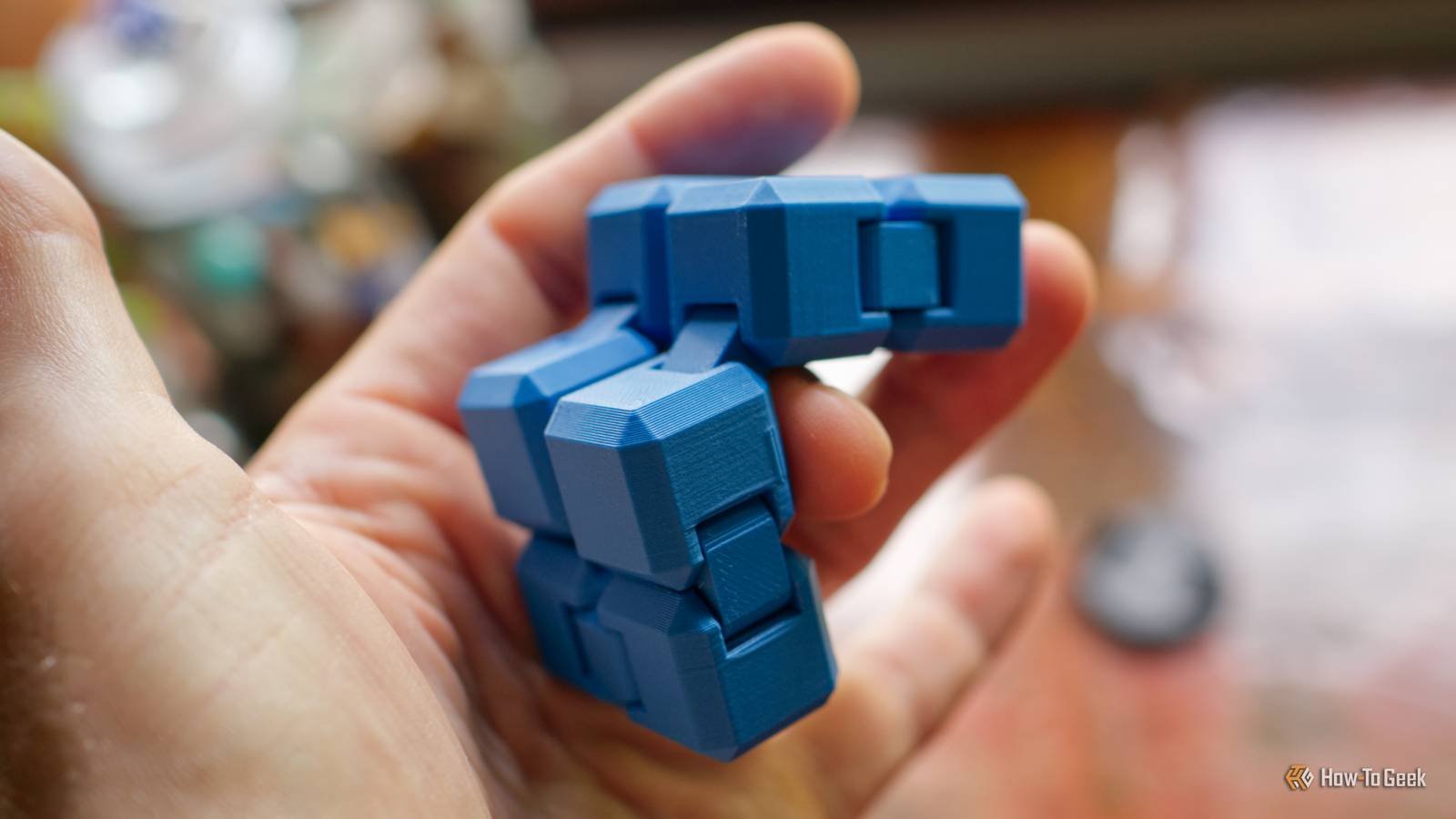
Print-in-place models refer to 3D printed objects that are designed to be fully functional or have moving parts without the need for assembly. Additionally, these models can range from simple toys to complex mechanical devices.
However, achieving such complexity requires careful consideration of the printing process, including the type of filament used and the printing settings. For instance, using a flexible filament can be beneficial for creating models with moving parts.
Benefits of Print-in-Place Models
The benefits of print-in-place models are numerous, including the ability to create custom parts or tools with ease. Furthermore, this technology has the potential to significantly reduce production costs and increase efficiency in various industries.
Additionally, print-in-place models can be used to educate students about complex mechanisms and engineering principles in an engaging and interactive way. Therefore, incorporating this technology into educational settings can have a profound impact on learning outcomes.
Designing Print-in-Place Models
Designing print-in-place models requires a combination of creativity and technical knowledge. However, with the right tools and software, anyone can create their own print-in-place models. For example, using computer-aided design (CAD) software can simplify the design process and ensure that the model is printable.
Meanwhile, it’s crucial to consider the limitations of the 3D printing technology being used, including the resolution and the type of filament. Therefore, testing and iterating on the design is an essential part of the process.
Finally, the future of print-in-place models looks promising, with potential applications in fields such as robotics, healthcare, and aerospace. As the technology continues to evolve, we can expect to see even more complex and sophisticated models being created.
Conclusion
In conclusion, print-in-place models are a game-changer in the world of 3D printing, offering a level of complexity and detail that was previously unimaginable. With the right design tools and printing technology, anyone can create their own print-in-place models and explore the endless possibilities of this technology.
Therefore, whether you’re a seasoned 3D printing enthusiast or just starting out, print-in-place models are definitely worth exploring. Additionally, with the potential to reduce production costs and increase efficiency, this technology has the potential to revolutionize various industries.
FAQs
Q: What are print-in-place models in 3D printing?
A: Print-in-place models refer to 3D printed objects that are designed to be fully functional or have moving parts without the need for assembly.
Q: What are the benefits of print-in-place models?
A: The benefits of print-in-place models include the ability to create custom parts or tools with ease, reduce production costs, and increase efficiency in various industries.
Q: How do I design print-in-place models?
A: Designing print-in-place models requires a combination of creativity and technical knowledge, including the use of computer-aided design (CAD) software and consideration of the limitations of the 3D printing technology being used.
Q: What are the potential applications of print-in-place models?
A: The potential applications of print-in-place models include robotics, healthcare, and aerospace, among others.
Q: Can I create my own print-in-place models?
A: Yes, with the right design tools and printing technology, anyone can create their own print-in-place models and explore the endless possibilities of this technology.