Introduction to Food Fraud
Food crime, which includes diluting or substituting ingredients, altering documents, or using unapproved processes, mostly goes unreported, making it difficult to grasp its scale. A 2025 estimate suggests that food crime costs the global economy around £81bn ($110bn) a year.
Common Targets of Food Fraud
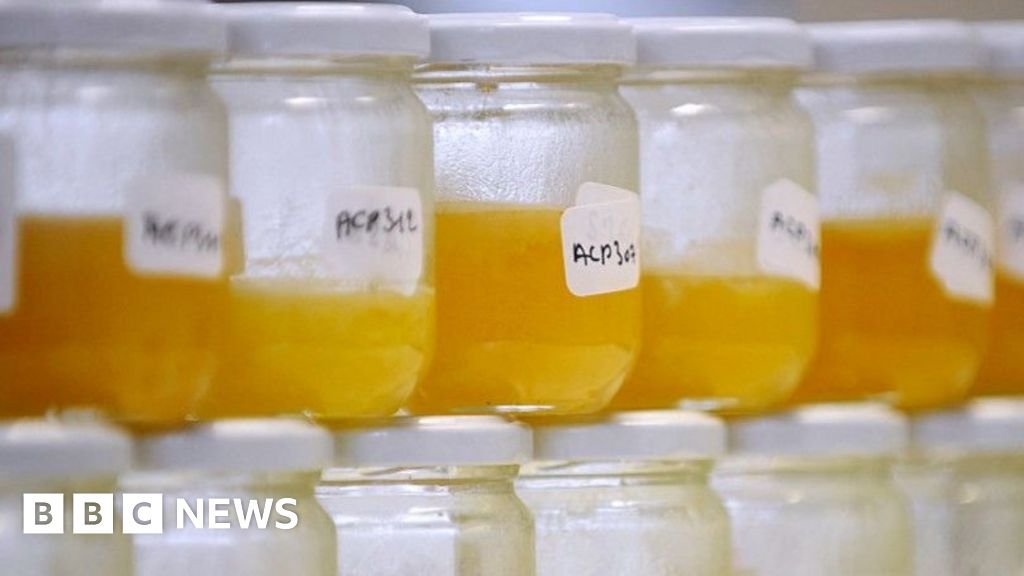
Fraudsters tend to target commonly consumed foods like dairy and high-value foods like olive oil. Along with alcohol, seafood, and edible oils, honey is frequently among the most common foods that are faked. Plant-based syrup, such as glucose syrup derived from sugar cane, can be half the price of genuine honey, or even less.
The Complexity of Honey Fraud
Dr. Juraj Majtán, who heads a lab studying bees and bee products at the Institute of Molecular Biology, part of the Slovak Academy of Sciences, understands well the biological complexity of honey. It contains hundreds of compounds, and there are many diverse types and sources of honey. This complexity makes it challenging to detect whether the honey in a jar genuinely comes from honeybees from a particular place or has been mixed with syrup derived from rice, wheat, corn, or sugar beets.
Detecting Fake Honey
There are various methods to test for suspicious honey, including analyzing chemical bonds to compare them against genuine honey samples and analyzing isotopes to determine where a product likely originated. However, Dr. Majtán explains that currently, there is no single method that can definitively say that a honey is fake.
The Harms of Food Fraud
The harms from faked honey are mostly to the livelihoods of beekeepers. However, food crimes can pose dangers to human health due to the presence of potential allergens or toxic chemicals. The 2008 scandal of melamine-tainted infant formula in China, which resulted in the deaths of at least six babies, highlights the severity of these dangers.
Preventing Food Fraud
Dr. Selvarani Elahi, the UK’s deputy government chemist, remains alert to the possibility of fraud infiltrating other types of foods. Efforts to advise the UK government and develop DNA methods to identify foods containing permitted insect species are underway to prevent such fraud.