The Resurgence of Opera: A Thriving Art Form
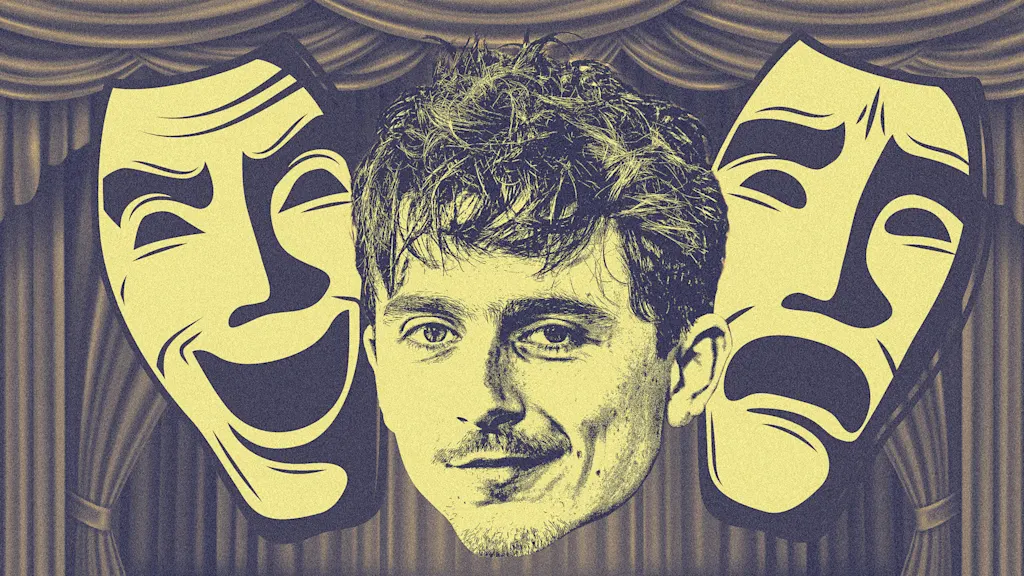
Recently, Timothée Chalamet sparked controversy by suggesting that opera is a dying art form, claiming that “no one cares” about it anymore. However, this statement is not only misguided but also incorrect. Meanwhile, the opera industry, like many performing arts, is still recovering from the pandemic.
Additionally, the industry as a whole is experiencing dramatic growth. For example, globally, opera is worth $3.4 billion and is expected to grow to $5.33 billion over the next few years. Furthermore, first-time attendance has more than tripled since 2021, as more young people head to the opera house.
The Growing Popularity of Opera
Therefore, it’s clear that opera’s resurgence is part of a larger trend. People are turning away from the digital and towards the analog, seeking experiences that are tangible and real. Moreover, in a world dominated by AI, individuals are craving authenticity and uniqueness.
Meanwhile, the rise of opera can be attributed to its ability to provide a unique and immersive experience. For instance, the combination of music, drama, and visual arts creates a captivating spectacle that engages audiences on multiple levels. Additionally, the sense of community and shared experience that comes with attending a live opera performance is unparalleled.
The Appeal of Analog Experiences
Finally, the shift towards analog experiences is not limited to opera. People are seeking out experiences that allow them to disconnect from the digital world and reconnect with reality. For example, the rise of vinyl records, board games, and other tactile activities demonstrates a desire for tangible and meaningful experiences.
Moreover, the benefits of analog experiences extend beyond entertainment. They provide opportunities for socialization, creativity, and personal growth. Therefore, it’s essential to recognize the value of these experiences and support their development.
The Future of Opera
However, the future of opera is not without its challenges. The industry must continue to innovate and adapt to changing audience preferences. Meanwhile, the rise of digital technologies presents both opportunities and threats to the traditional opera model.
Additionally, the industry must address issues of accessibility and diversity. For instance, efforts to make opera more inclusive and diverse can help attract new audiences and ensure the long-term sustainability of the art form. Furthermore, collaborations with other art forms and industries can help to revitalize and reimagine the opera experience.
In conclusion, the resurgence of opera is a testament to the power of analog experiences and the human desire for connection and authenticity. As the industry continues to evolve, it’s essential to recognize the value of this unique and captivating art form.
Therefore, we encourage you to experience the magic of opera for yourself. With its rich history, stunning performances, and sense of community, opera has something to offer everyone. Finally, let’s celebrate the resurgence of this thriving art form and support its continued growth and development.